Wondering what luxury living in Miami actually feels like once the vacation glow wears off? The answer depends less on price point alone and more on how you want your days to unfold. In Miami, the right enclave shapes your routine, your pace, and even how often you get in the car. Let’s dive in.
Miami luxury starts with lifestyle
Miami’s luxury enclaves are defined by setting as much as status. Some put you directly on the ocean, others center you in a bayfront skyline, and others offer a greener, more residential feel with marinas, parks, and historic architecture.
That variety is part of what makes Miami so compelling. You are not choosing a single version of luxury. You are choosing between beachfront energy, urban convenience, island privacy, or a quieter residential rhythm.
Beachfront enclaves with ocean-first living
If your ideal day starts with a walk by the water and ends with dinner near the sand, Miami’s beachfront enclaves offer some of the area’s most recognizable luxury lifestyles. Each one has a distinct mood, even when they share the same coastline.
South Beach living feels active
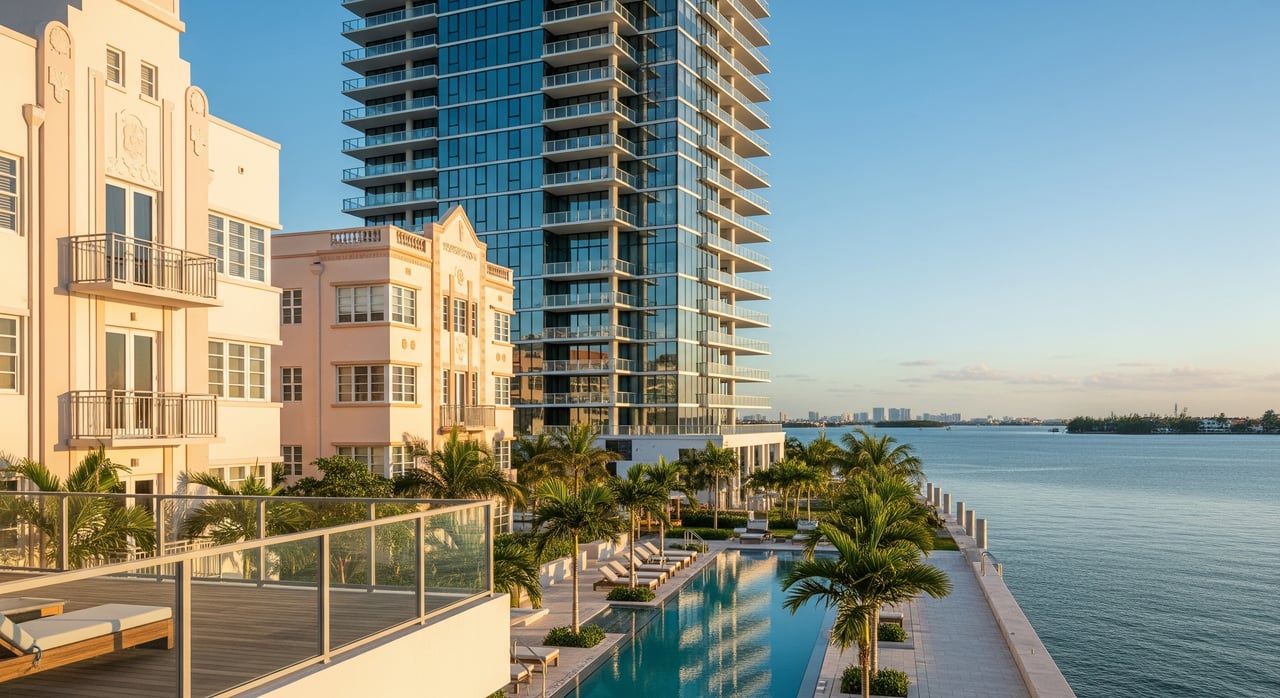
South Beach is the best-known version of Miami Beach living. Art Deco buildings, Ocean Drive, Lummus Park, Lincoln Road, and South Pointe Park create a setting that feels public, walkable, and always in motion.
Daily life here often includes strolling, outdoor dining, beach access, and people-watching. If you want architecture, activity, and a high-energy atmosphere woven into your routine, South Beach delivers that in a way few places can.
Mid Beach feels more resort-driven
Mid Beach offers a softer pace than South Beach. It is known for luxury hotels, the Faena District, and Millionaire’s Row, which creates a more polished, resort-oriented feel.
You may still enjoy strong beach access and water views, but the day-to-day mood is typically less theatrical and more relaxed. For many buyers, that balance is the appeal.
North Beach moves more quietly
North Beach is known for a calmer pace and MiMo architecture. Compared with South Beach, it tends to feel quieter and less crowded in its day-to-day rhythm.
If you want beachfront living without as much intensity, North Beach may feel like a better fit. It still offers the water, the walkability, and the island setting, just with a more understated tone.
Beachwalk changes daily routines
One of the strongest lifestyle perks on Miami Beach is the Beachwalk. This ADA-accessible oceanfront promenade runs from South Pointe Park to 87th Street and connects Miami Beach with Surfside and Bal Harbour.
That matters because it supports a more walkable daily life. Miami Beach also offers a free trolley system, which can make short local trips easier without driving every time.
Oceanfront towers and private access
Some luxury buyers want the beach, but they want it paired with more privacy, more service, or a more contained environment. That is where Bal Harbour, Sunny Isles Beach, and Fisher Island stand apart.
Bal Harbour feels curated and quiet
Bal Harbour is a one-square-mile village between the Atlantic Ocean and Biscayne Bay. It is known for a quieter beach experience, luxury hotels, fine dining, and Bal Harbour Shops.
The overall atmosphere feels polished and secluded. If your version of luxury includes a calmer setting with upscale conveniences close at hand, Bal Harbour offers that in a very focused way.
Sunny Isles Beach feels modern
Sunny Isles Beach has a more tower-driven identity. Official guides describe it as Florida’s Riviera, with condominium resorts along two miles of white-sand beach, 22 public beach access points, oceanfront parks, and a 600-foot fishing pier.
The lifestyle here feels beach-first, polished, and convenient. Compared with older enclaves, Sunny Isles often appeals to buyers looking for a more contemporary oceanfront experience.
Fisher Island centers privacy
Fisher Island is in a category of its own. The island spans about 216 acres, includes roughly 800 residences, and is accessible only by ferryboat or private yacht.
Life there revolves around private amenities such as a beach club, golf, tennis and pickleball, marinas, dining, a spa, and member events. If controlled access and privacy sit at the top of your wish list, Fisher Island offers one of the most distinct experiences in the Miami area.
Brickell and Downtown offer bayfront city living
Not every luxury buyer wants a beach address. For some, the ideal Miami lifestyle means high-rise views, walkable dining, cultural venues, and the ability to live with less reliance on a car.
Brickell feels vertical and convenient
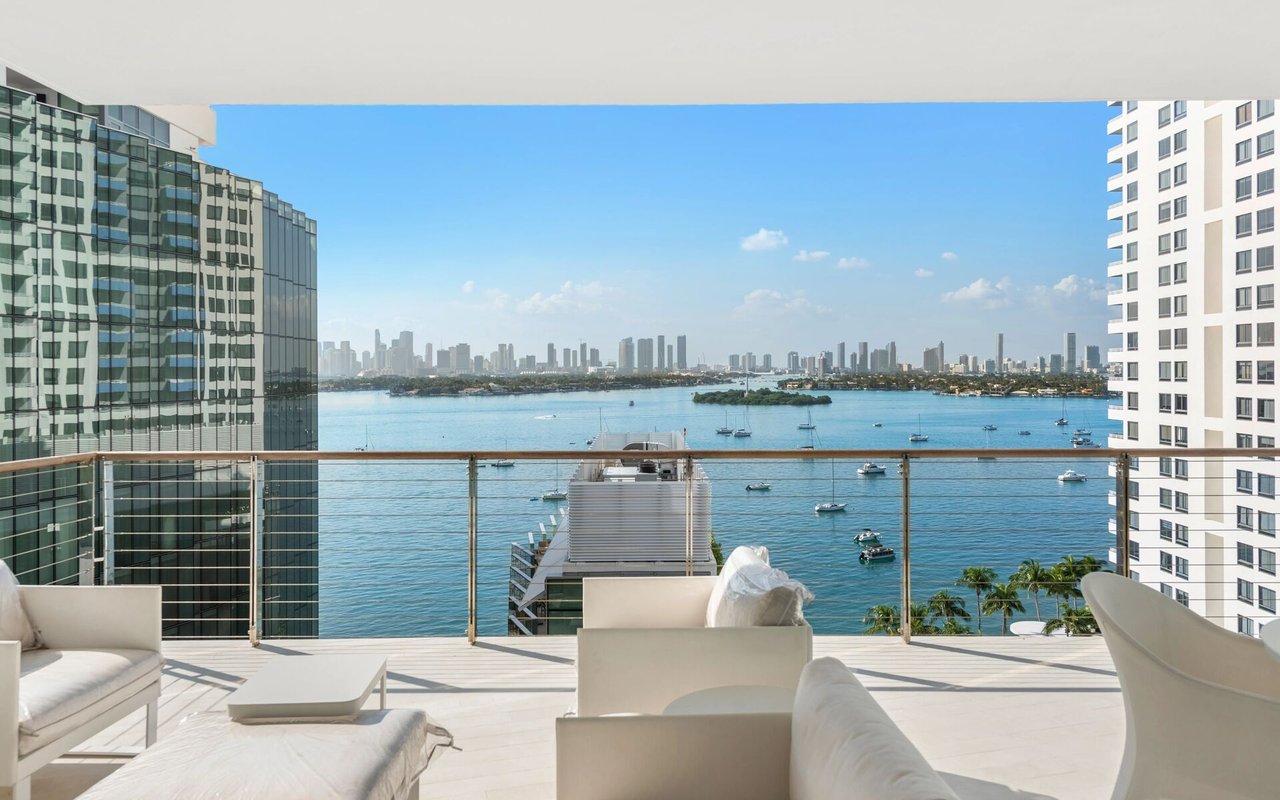
Brickell is Miami’s best-known high-rise luxury corridor. It combines bayfront towers with upscale restaurants, lively bars, shopping, and scenic parks.
The neighborhood also benefits from the free Metromover, which serves Brickell, Downtown, and Omni. That makes car-light living more realistic here than in many South Florida luxury markets.
Downtown brings culture closer
Downtown Miami adds a strong cultural layer to bayfront living. Pérez Art Museum Miami, the Phillip and Patricia Frost Museum of Science, the Adrienne Arsht Center, and Bayfront Park help create a routine where waterfront walks, performances, and museum visits can be part of everyday life.
If you like the idea of stepping out for dining, arts, or events without planning your whole evening around a drive, Downtown can feel especially efficient. It offers urban energy with the bay still in view.
Greener enclaves feel more residential
If your version of luxury leans toward tree canopy, marina access, and a neighborhood feel, Miami also offers enclaves that are less vertical and more rooted in landscape and architecture.
Coconut Grove feels village-like
Coconut Grove is often described as Miami’s oldest neighborhood, with a laid-back, tropical character. Tree-shaded streets, bayfront parks, marinas, Vizcaya, CocoWalk, and a strong sailing culture give it a distinct identity.
The Grove tends to feel less showy and more lived-in. If you want walkability, boating access, and outdoor gathering in a setting with historic roots, this enclave stands out.
Coral Gables feels architectural
Coral Gables offers a different expression of luxury. It is known for Mediterranean Revival homes, banyan-lined streets, Miracle Mile, the Venetian Pool, and Fairchild Tropical Botanic Garden.
The day-to-day feel is often described as polished and garden-like. For buyers drawn to older architecture and a more residential rhythm within the larger metro area, Coral Gables offers a strong alternative to waterfront towers.
Key Biscayne feels insulated
Key Biscayne is often described as an island retreat just minutes from Downtown Miami. Crandon Park’s marina and beach, access to Biscayne National Park, and broad boating and water-sports options shape the lifestyle.
This enclave tends to appeal to buyers who want water and nature first. It feels calmer and more insulated than mainland high-rise districts while still keeping the city within easy reach.
Daily life goes beyond the home
In Miami, luxury living is shaped by what surrounds your home as much as by the property itself. Dining, shopping, cultural venues, waterfront parks, and marina access all influence how a neighborhood feels over time.
The Miami Design District is known as a luxury shopping and fine-dining hub with public art and architecture. Brickell leans into upscale dining and outdoor retail, Bal Harbour centers much of its shopping and dining around Bal Harbour Shops, and Coconut Grove blends neighborhood restaurants with parks and marina life.
This is one reason enclave selection matters so much. Two homes may both be luxurious, but the lifestyle outside your front door can be completely different.
Travel access is part of the appeal
For many primary and second-home buyers, Miami’s travel connectivity is a major advantage. Miami International Airport says it offers more flights to Latin America and the Caribbean than any other U.S. airport, and PortMiami welcomed 8,233,056 cruise passengers in 2024.
In practical terms, that means international travel, weekend departures, and cruise access can be unusually convenient. Downtown and Miami Beach are also linked by water taxi, adding another layer to how residents move between core destinations.
Climate planning matters in waterfront areas
Miami-Dade’s waterfront lifestyle comes with real planning considerations. The county says it is particularly susceptible to flooding because it sits close to sea level and is surrounded by major bodies of water.
That makes due diligence important when you are considering coastal or bayfront property. It is also important to know that flood insurance is separate from standard homeowners insurance, which can affect ownership costs and planning.
Which enclave fits your lifestyle?
The best Miami luxury enclave is the one that fits how you want to live, not just how you want your address to sound. A few broad patterns can help narrow your search.
Best fit by lifestyle priority
- South Beach: Best if you want walkability, architecture, dining, and a more energetic beach scene.
- Bal Harbour: Best if you want a quieter beach setting with luxury shopping and a curated feel.
- Sunny Isles Beach: Best if you want modern oceanfront towers and beach-first convenience.
- Fisher Island: Best if privacy, controlled access, and club amenities are your top priorities.
- Brickell: Best if you want bayfront high-rise living, transit access, and a dense urban routine.
- Downtown Miami: Best if you want culture, waterfront parks, and city energy close together.
- Coconut Grove: Best if you want a village-like setting with marinas, parks, and historic character.
- Coral Gables: Best if you want architecture, greenery, and a more polished residential feel.
- Key Biscayne: Best if you want island calm, boating access, and proximity to Downtown.
Miami luxury is not one-note. It is layered, location-specific, and deeply personal. If you want expert guidance on which enclave aligns with your lifestyle, privacy goals, and long-term real estate strategy, schedule a private consultation with Ginger Coutain.
FAQs
What is luxury living like in South Beach, Miami?
- South Beach luxury living is active, walkable, and public-facing, with Art Deco architecture, beach access, outdoor dining, and destinations like Ocean Drive, Lincoln Road, Lummus Park, and South Pointe Park.
What is the difference between Bal Harbour and Sunny Isles Beach?
- Bal Harbour is known for a quieter, more curated beach setting with luxury hotels and shopping, while Sunny Isles Beach is more tower-heavy and modern, with oceanfront parks, many beach access points, and a beach-first resort feel.
What makes Fisher Island different from other Miami luxury enclaves?
- Fisher Island is accessible only by ferryboat or private yacht and is centered on privacy, controlled access, and private amenities such as a beach club, golf, marinas, dining, and member events.
Is Brickell a good fit for luxury buyers in Miami?
- Brickell can be a strong fit if you want bayfront high-rise living, upscale dining, shopping, scenic parks, and easier car-light movement through the free Metromover.
What is daily life like in Coconut Grove and Coral Gables?
- Coconut Grove feels more village-like, with tree-shaded streets, marinas, parks, and a laid-back tropical character, while Coral Gables feels more architectural and garden-like, with Mediterranean Revival homes and established cultural destinations.
What should buyers know about waterfront living in Miami-Dade?
- Buyers should plan carefully for flooding and insurance considerations, since Miami-Dade is particularly susceptible to flooding and flood insurance is separate from standard homeowners insurance.
Is Key Biscayne close to Downtown Miami?
- Yes, Key Biscayne is described as an island retreat just minutes from Downtown Miami, offering a calmer setting with boating, beach, and park access while staying close to the city.
How do you choose the right luxury enclave in Miami?
- The best choice usually depends on whether you value beachfront energy, private amenities, urban walkability, cultural access, marina lifestyle, or a more residential island or garden setting.