Thinking about making Miami your primary residence? The appeal is easy to see: no state income tax, global connectivity, and a wide range of lifestyle options from urban high-rise living to quieter residential areas. But a successful move here is not just about choosing the right home. It is also about timing, documentation, and understanding how your day-to-day life will work once you arrive. This guide walks you through the key decisions so you can relocate with more clarity and confidence. Let’s dive in.
Why Miami Draws Primary-Residence Buyers
For many buyers, Miami offers a rare mix of lifestyle and financial appeal. Florida does not impose an individual income tax or an individual capital gains tax, which is often a major factor when you are deciding where to establish your primary residence.
If you plan to own and live in your Miami home as your permanent residence, Miami-Dade County also offers a potential homestead exemption of up to $50,000 for qualified owners. After homestead takes effect, the Save Our Homes cap can limit future assessed-value increases to the lesser of CPI or 3%.
That combination can make a meaningful difference in your long-term carrying costs. Still, the benefits do not happen automatically, and that is where planning matters.
Understand Florida Homestead Basics
In Miami-Dade, homestead is tied to a few core requirements. The county says you must have legal or equitable title to the property as of January 1, live there as your permanent residence as of January 1, and be a Florida resident as of January 1.
The county also treats homestead as a records-and-documentation process. Your permanent residence is reflected by the address shown on items like your driver’s license, voter registration, vehicle registration, and federal income tax returns.
A simple way to think about it is this: own it, occupy it, and document it by January 1 if you want that tax year to count. Then file the homestead application by March 1.
Who Should Look Closer at Eligibility
Some buyers should review eligibility early rather than assume everything will transfer cleanly. If you already have a Florida homestead elsewhere, portability may allow some Save Our Homes savings to move to your new Florida homestead.
If title will be held in a trust, Miami-Dade may require the trust document as part of the review. The county also states that the owner must be a U.S. citizen or permanent resident and a Florida resident as of January 1.
For high-value purchases, title structure can affect timing and paperwork. It is worth confirming these details before closing so there are no surprises after move-in.
Build Your Residency Paper Trail Early
One of the most common mistakes in a primary-residence move is treating residency like a casual address update. In practice, it is a coordinated process across multiple records.
Florida Highway Safety and Motor Vehicles says Florida driver license or ID holders have 30 days to update their address. The same guidance says title and vehicle registration should also be updated within 30 days of the change.
The IRS also says taxpayers should notify it when an address changes. When Miami-Dade reviews homestead, consistency across your records matters.
Your Primary-Residence Checklist
Before or just after your move, make a plan to update:
- Florida driver’s license or ID
- Vehicle title and registration
- Voter registration
- Federal tax return address
- Homestead filing paperwork
If your goal is to qualify for homestead in a specific year, do not leave these steps until spring. The strongest approach is to line up occupancy and documentation by January 1, then file by March 1.
Choose the Right Miami Lifestyle Fit
Miami is not one-size-fits-all. Your best location depends on how you want to live every day, how often you travel, and how much importance you place on walkability, transit access, or waterfront living.
For some buyers, the right answer is a high-rise close to business and dining. For others, it is a more residential setting with easier access to neighborhood amenities and a different pace.
Brickell for Urban Convenience
Brickell is one of the clearest choices if you want to be close to Miami’s executive core. The City of Miami identifies Brickell as the financial district, and the Brickell trolley connects areas like Brickell Key, Brickell City Centre, the Metrorail station, and nearby residential zones.
Metromover adds another layer of convenience. It is free, runs seven days a week, and serves Brickell, downtown Miami, and Omni through 21 stations.
If your priority is proximity to business, dining, and transit, Brickell offers a very efficient daily setup. It can be especially appealing if you want a primary residence with a more connected, lock-and-leave feel.
Coconut Grove and Coral Gables for Residential Character
If you want a setting with more residential texture, Coconut Grove and Coral Gables often stand out. Miami’s planning pages identify Coconut Grove as a distinct conservation-district area.
Coral Gables describes itself through features like lush green avenues, residential houses, historic landmarks, and dining options. The city’s free trolley runs from Douglas Road Metrorail toward Flagler Street, and the Southern Loop pilot links Douglas Road to Red Road, the University of Miami, medical offices, schools, and community hubs.
For many buyers, these areas offer a balanced lifestyle. You can stay connected to major parts of Miami while enjoying a more neighborhood-oriented environment.
Kendall and the Southwest Corridor for Space and Access
Kendall and the southwest corridor are worth considering if you want a more suburban feel without giving up rail access. Miami-Dade says Metrorail runs from Kendall through South Miami, Coral Gables, downtown Miami, the airport, and northwest Miami-Dade.
That route also connects to Brightline and Tri-Rail. If you travel frequently, airport access can be a meaningful quality-of-life advantage.
This part of the county may appeal to buyers who want more space and a different daily rhythm while still staying tied into the broader region.
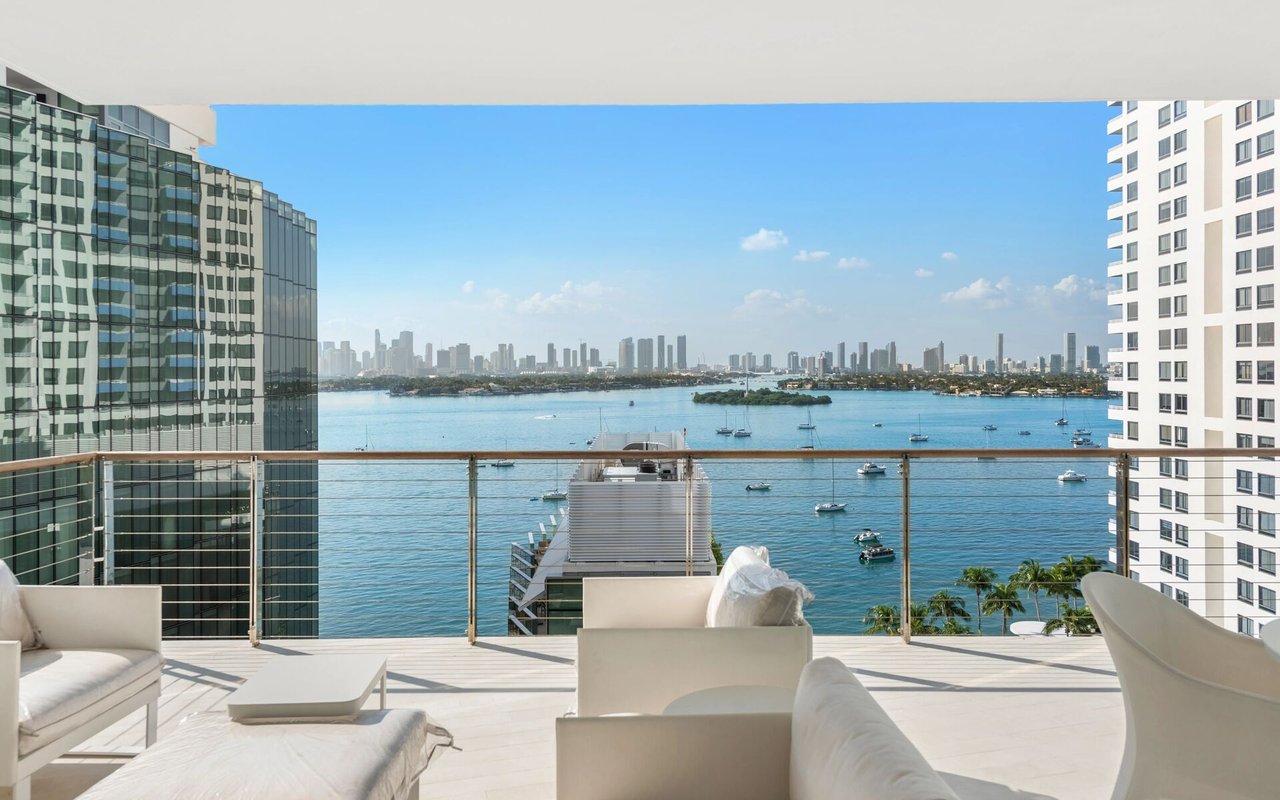
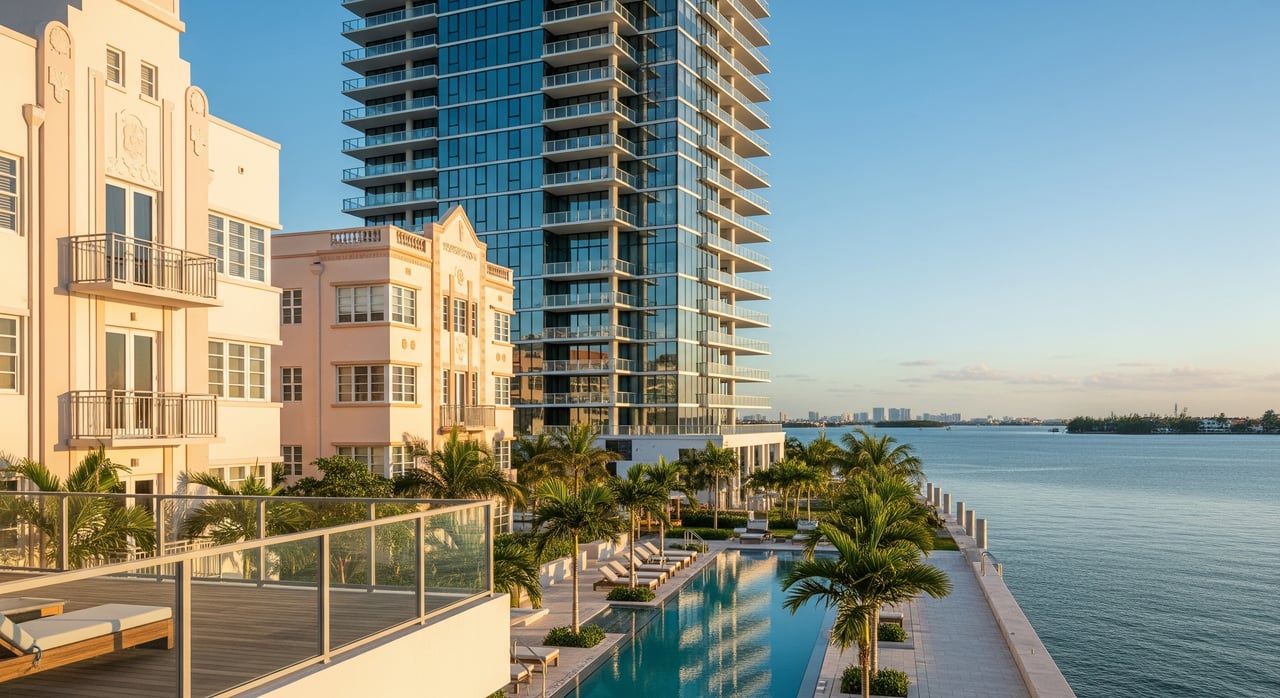
Miami Beach and Key Biscayne for Waterfront Living
Miami Beach and Key Biscayne are highly sought-after choices, but they come with specific planning considerations. Miami Beach states that the city is in a storm-surge evacuation zone and that all of Miami Beach is an evacuation zone.
The city also notes there are no hurricane shelters in Miami Beach or the coastal communities. Key Biscayne’s emergency plan describes it as a low-elevation barrier island accessed by the Rickenbacker Causeway and notes that it is usually among the first Miami areas evacuated before an oncoming hurricane.
That does not mean these locations are off the table. It means you should weigh waterfront prestige and walkability against evacuation timing, insurance considerations, and dependence on bridges or causeways.
Plan for Commute, Transit, and Travel
Miami can be more connected than many new residents expect. Metrorail operates from 5 a.m. to midnight seven days a week, and Metromover gives you free circulation in the downtown and Brickell core.
Brightline’s MiamiCentral station connects Miami with Aventura, Fort Lauderdale, Boca Raton, West Palm Beach, and Orlando. Short-hop city trolley systems also support local movement in areas like Brickell, Coconut Grove, and Coral Gables, while Miami Beach runs its own free trolley and water-taxi network.
Even with these options, many households still rely heavily on a car in practice. When choosing a home, it helps to think beyond map distance and focus on your actual weekly patterns, including work, school, airport trips, dining, and weekend routines.
Consider School Assignment Timing
If your household includes school-aged children, timing matters. Miami-Dade Public Schools says students are assigned to the school in the district where their parents or legal guardians reside unless they receive a Parent Choice Student Transfer or School Choice assignment.
The district’s magnet fact sheet says magnet applications run from October 1 through January 15. That means school planning should happen before the purchase is finalized, not after.
A move can feel much smoother when you understand school boundary and application timing upfront. It is one more reason to treat your relocation as a full strategy, not just a home search.
Watch the Weather Calendar
Your move timeline should account for more than market conditions. NOAA says the Atlantic hurricane season runs from June 1 through November 30.
If you are closing in late spring or summer, especially on a waterfront or island property, insurance planning and contingency preparation deserve extra attention. Evacuation routes, building procedures, and storm readiness should be part of your decision-making before closing.
For many buyers, the cleanest planning window combines tax timing with weather awareness. If homestead matters for the coming tax year, aim for occupancy by January 1 and filing by March 1.
Review Condo and HOA Details Carefully
If your Miami primary residence will be in a condo or homeowners association, document review is essential. Governing documents can affect fees, special assessments, insurance obligations, and day-to-day ownership expectations.
Florida’s condo guidance notes that governing documents control special assessments and that association insurance and bonding requirements matter. For a luxury or waterfront purchase, these details can directly affect both budget and ownership experience.
This is especially important if you are comparing a condo, a single-family home, and an island property. Each option comes with a different maintenance, risk, and lifestyle profile.
A Smart Miami Relocation Strategy
The most successful Miami relocations usually follow the same pattern. You start with lifestyle fit, then narrow by commute and travel needs, then align the purchase with residency, homestead, and seasonal timing.
That process is especially useful in a market where one ZIP code can offer a very different living experience from the next. When you plan early, you give yourself more room to make decisions that support both your lifestyle and your long-term property goals.
If you are preparing to make Miami your primary residence, a tailored strategy can help you move with less friction and more confidence. For discreet, concierge-level guidance across Miami and South Florida, schedule a private consultation with Ginger Coutain.
FAQs
What do you need to claim homestead in Miami-Dade?
- You generally need legal or equitable title as of January 1, permanent residence in the property as of January 1, Florida residency as of January 1, and a filed homestead application by March 1.
When should you move to qualify for Florida homestead tax benefits?
- The safest planning target is to own, occupy, and document the property as your permanent residence by January 1, then file the homestead paperwork by March 1.
How do you prove primary residency in Miami-Dade?
- Miami-Dade looks at documentation such as your driver’s license, voter registration, vehicle registration, and federal tax return address to reflect permanent residence.
Which Miami areas work best for different lifestyles?
- Brickell suits buyers seeking urban convenience and transit access, Coconut Grove and Coral Gables offer more residential character, Kendall provides a more suburban feel with rail access, and Miami Beach or Key Biscayne appeal to buyers prioritizing waterfront living.
What should you know about hurricane planning for Miami Beach or Key Biscayne?
- Miami Beach is entirely in an evacuation zone, and Key Biscayne is typically among the first Miami areas evacuated before an oncoming hurricane, so insurance, access, and evacuation logistics should be reviewed before purchase.
When should you check school assignment rules during a Miami move?
- You should review school assignment boundaries and any choice or magnet deadlines before finalizing the purchase, since Miami-Dade Public Schools assigns students based on where parents or guardians reside unless another assignment is approved.
What should you review before buying a Miami condo as your primary residence?
- You should review governing documents, fees, special assessment history, and insurance-related requirements carefully, since these can affect both your budget and your ownership experience.