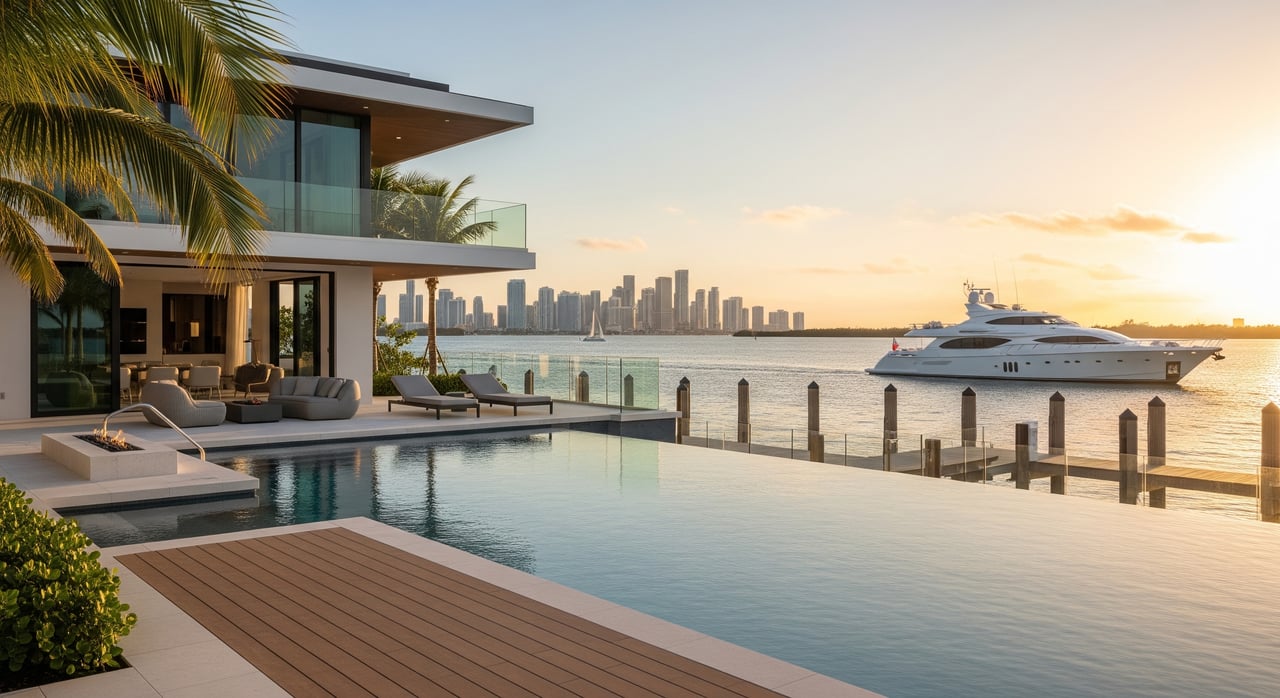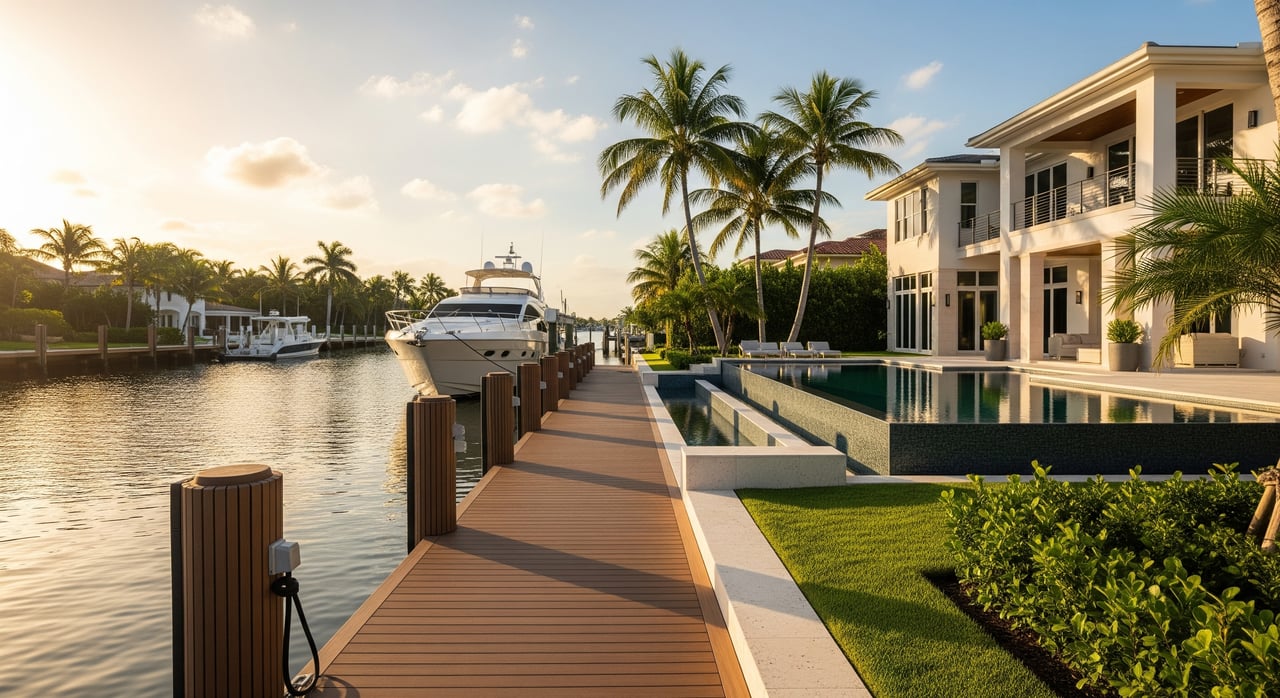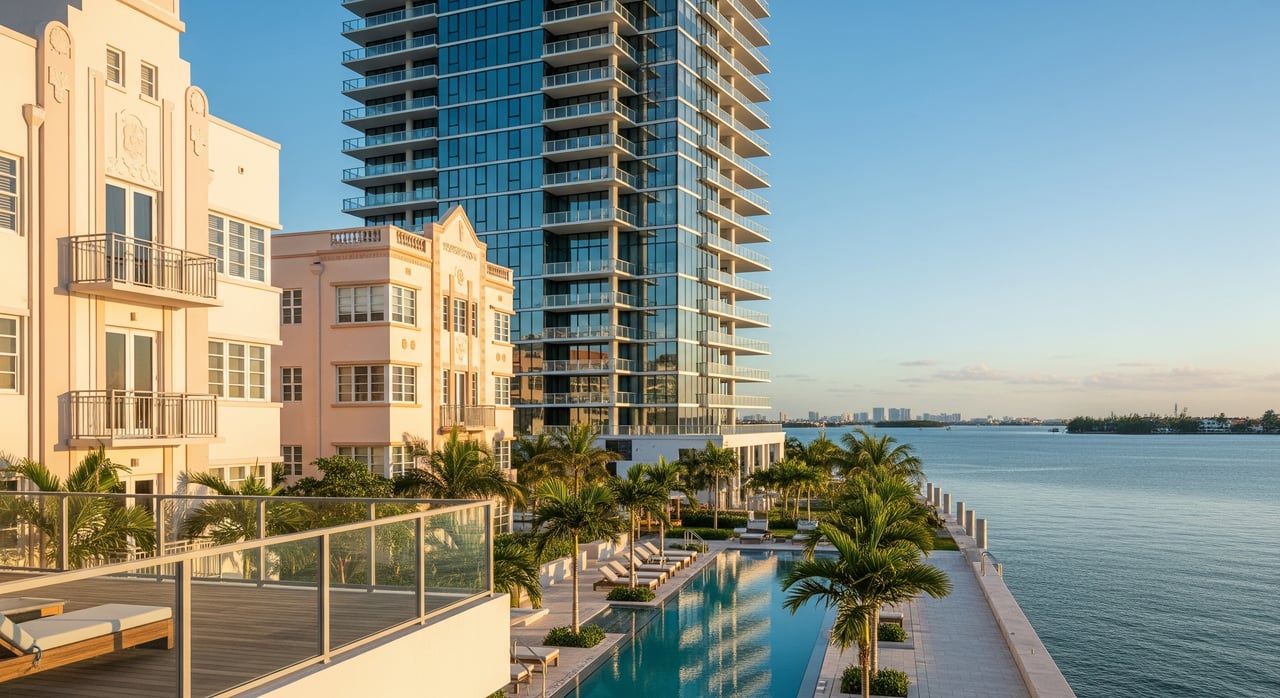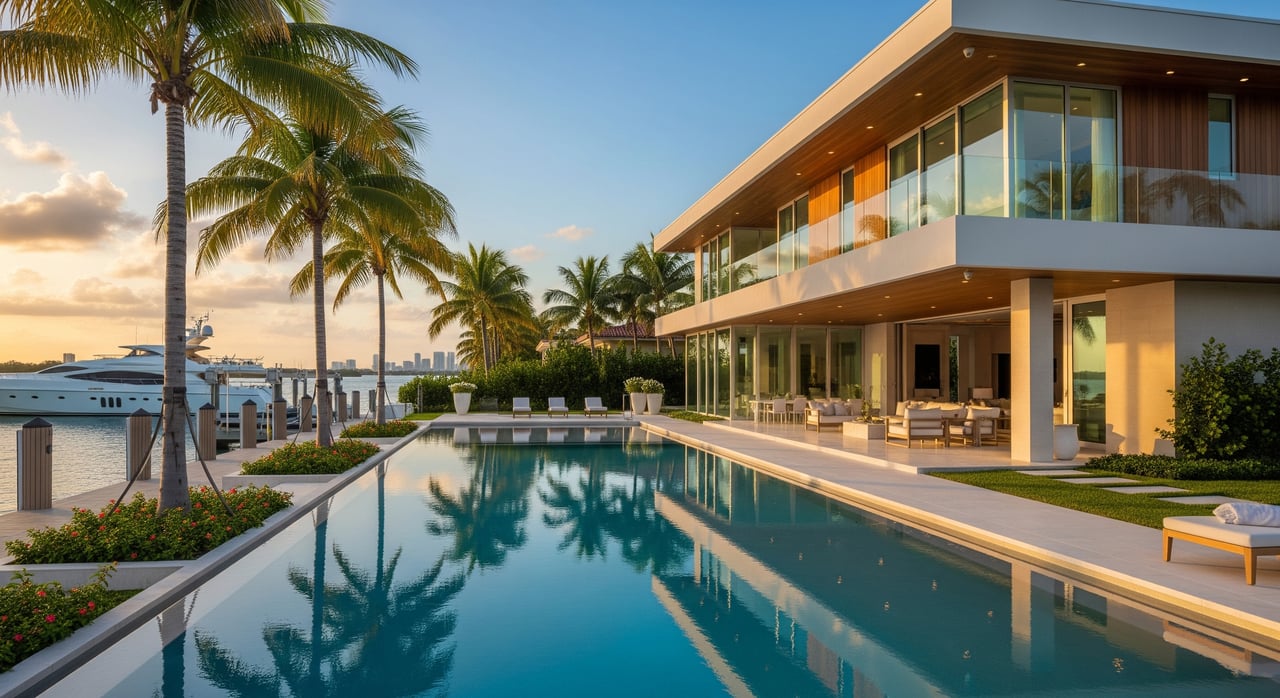
If you are watching Fort Lauderdale’s waterfront market, one thing is clear: new construction is no longer just about a fresh finish and a water view. Today’s buyers are weighing marina access, resilient design, building scale, and how quickly they can move in without taking on years of uncertainty. If you want to understand where the market is heading and what that means for your next purchase or sale, this guide will walk you through the most important new waterfront construction trends in Fort Lauderdale. Let’s dive in.
Why waterfront new construction matters
Fort Lauderdale remains one of South Florida’s most distinctive waterfront markets because of its canal network and its connection to the Intracoastal Waterway. That setting continues to support meaningful pricing power for waterfront properties across Broward County.
According to a Broward County waterways economic study, properties within one mile of the Intracoastal averaged $1,048,087 in sale price compared with $528,717 countywide, while canal or tributary frontage carried a 47% premium. In simple terms, waterfront location still commands a major value advantage, and new construction is competing inside that premium tier.
The latest Douglas Elliman and Miller Samuel Q2 2025 report gives useful context for Fort Lauderdale specifically. Waterfront single-family homes averaged $3.41 million and $1,065 per square foot, while waterfront condos averaged $797,353 and $556 per square foot. The same report showed softer year-over-year condo pricing, which suggests newer condo projects need to stand out on design, amenities, and delivery, not just location.
Fort Lauderdale’s new-build spectrum
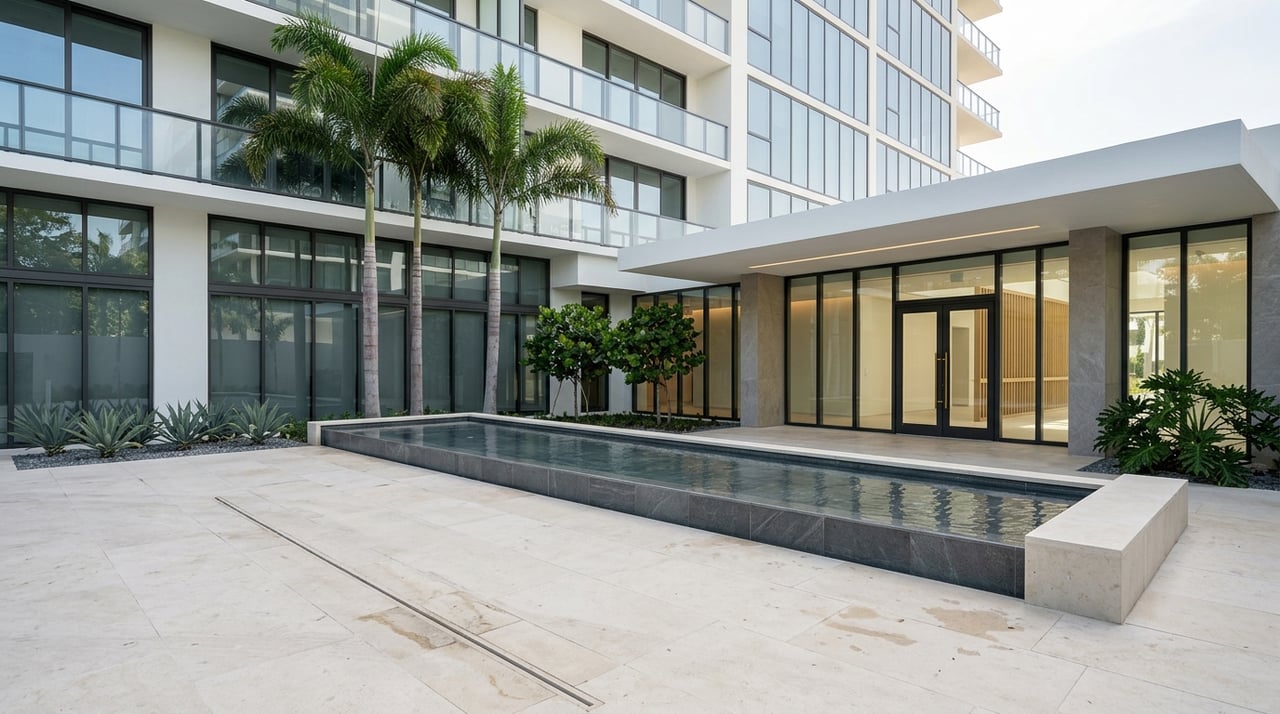
One of the biggest trends in Fort Lauderdale is that waterfront new construction is not a single category. It is a broad spectrum, ranging from boutique condos with a lower luxury entry point to branded marina residences and large-scale resort redevelopment.
For buyers, that means your options vary widely by budget, timeline, and boating priorities. For sellers and owners, it means your competition may come from several very different product types, not just the building down the street.
Boutique waterfront condos
At the more approachable end of the luxury spectrum, 3000 Waterside shows how developers are positioning boutique waterfront living. The project includes 129 residences directly on the Intracoastal, starts at $960,000, and has reported more than $40 million in pre-construction sales.
That matters because it shows there is still strong demand for new waterfront product below the ultra-luxury tier. Buyers in this segment are often looking for a polished lifestyle offering, manageable scale, and a lower-maintenance ownership experience.
Sage Intracoastal Residences reflects a similar direction with a more design-forward identity. The 28-story building is now under construction, and its branding leans into a lower-density waterfront experience rather than a high-volume tower feel.
Branded marina residences
At the high end, new projects are increasingly defining themselves through nautical identity and marina utility. Riva Residenze is a strong example, with 36 residences in a 20-story tower, pricing that begins at $3.5 million, and a seven-slip marina for yachts up to 65 feet.
This kind of project tells you a lot about current luxury demand. Buyers are not just paying for a waterfront address. They are paying for a product that feels curated around boating, privacy, and limited inventory.
Destination-style redevelopment
On the larger end of the market, Pier Sixty-Six Residences shows how a resort and marina environment can support a premium residential offering. Official materials describe 62 initial residences, while a later project release noted that Indigo received its certificate of occupancy, bringing the full 88 residences online and documenting a $14.5 million penthouse sale in Broward County’s new-development condo market.
The marina component is also substantial, with 5,000 linear feet of dockage and 164 slips. For buyers who value a visible, nearly complete operating model, projects like this can reduce some of the uncertainty that comes with earlier-stage pre-construction.
Fort Lauderdale’s pipeline also includes major public-private redevelopment. The Bahia Mar and St. Regis Resort & Residences Bahia Mar project was approved as a $2 billion development with four residential towers and a hotel tower on city-owned land under a 100-year lease. That scale shows the city’s waterfront future includes both intimate boutique projects and major mixed-use marina destinations.
Design trends buyers are seeing now
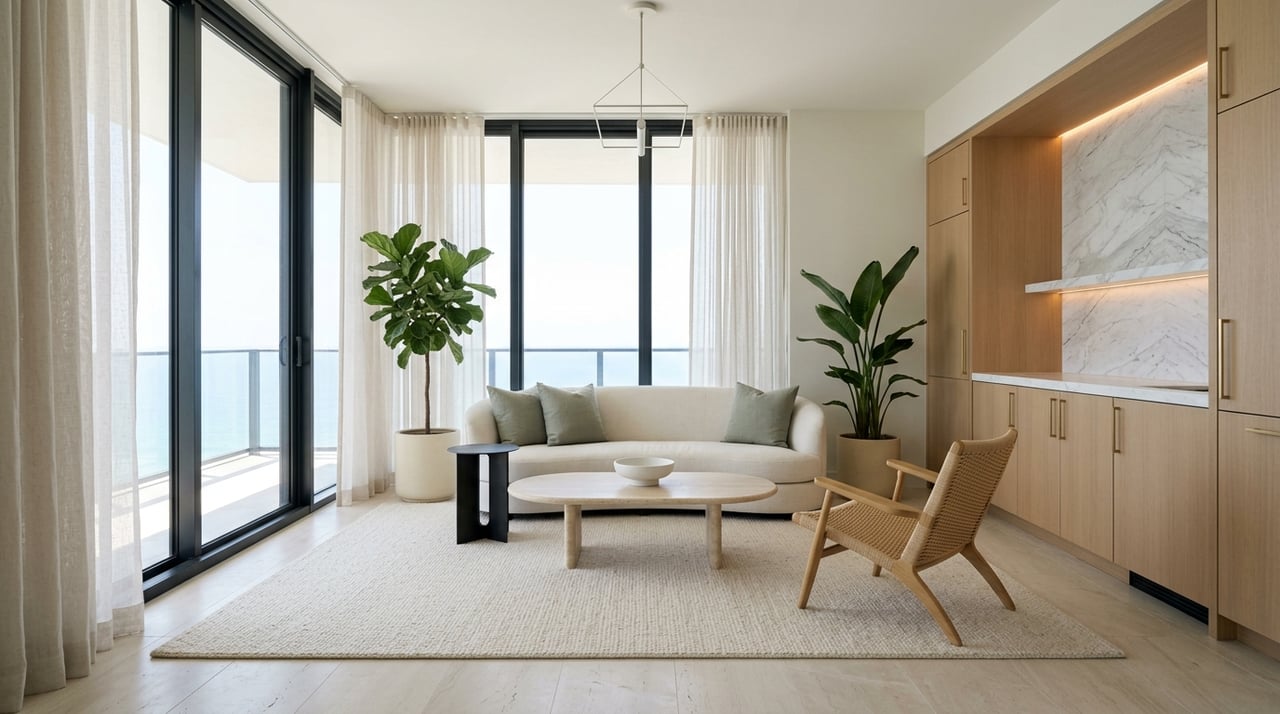
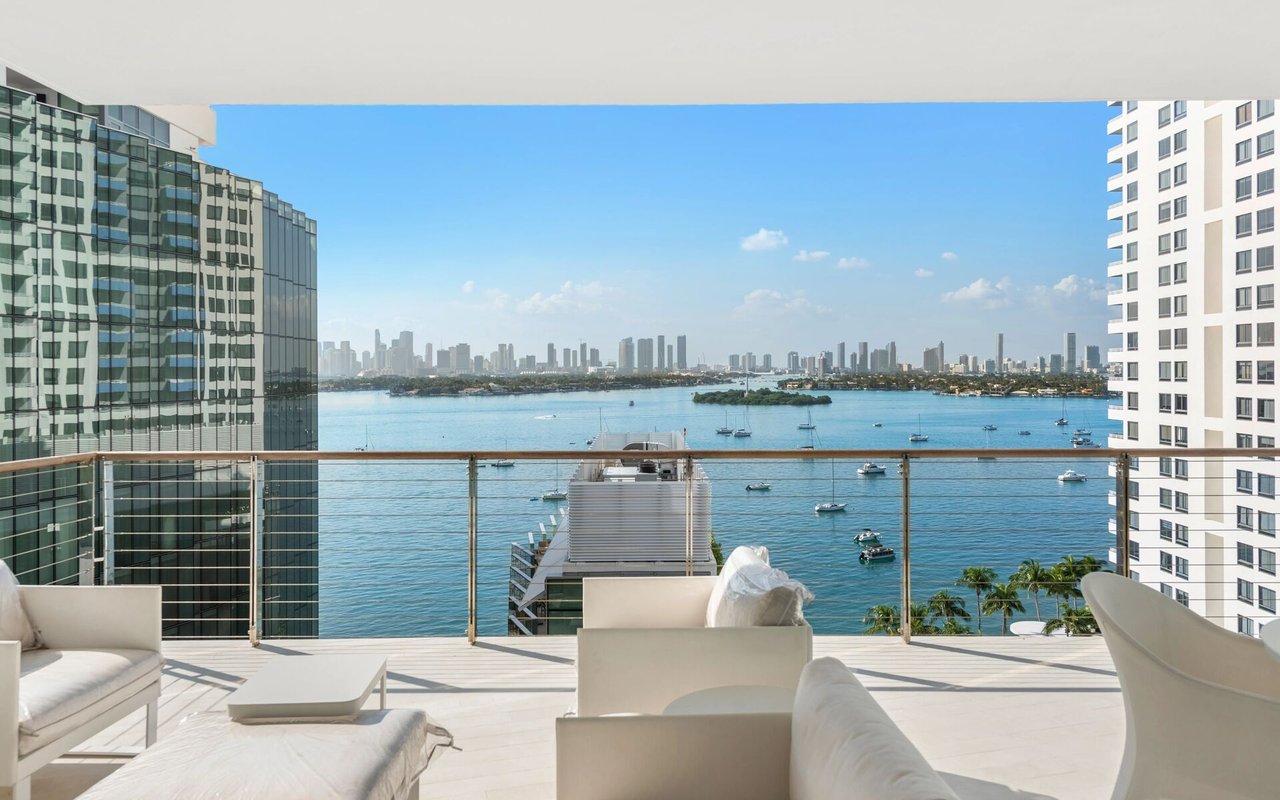
Across the current pipeline, several patterns show up again and again. Buildings are often keeping unit counts relatively limited while offering larger floor plans, private elevator access, expansive terraces, and layouts designed to capture water views from multiple sides.
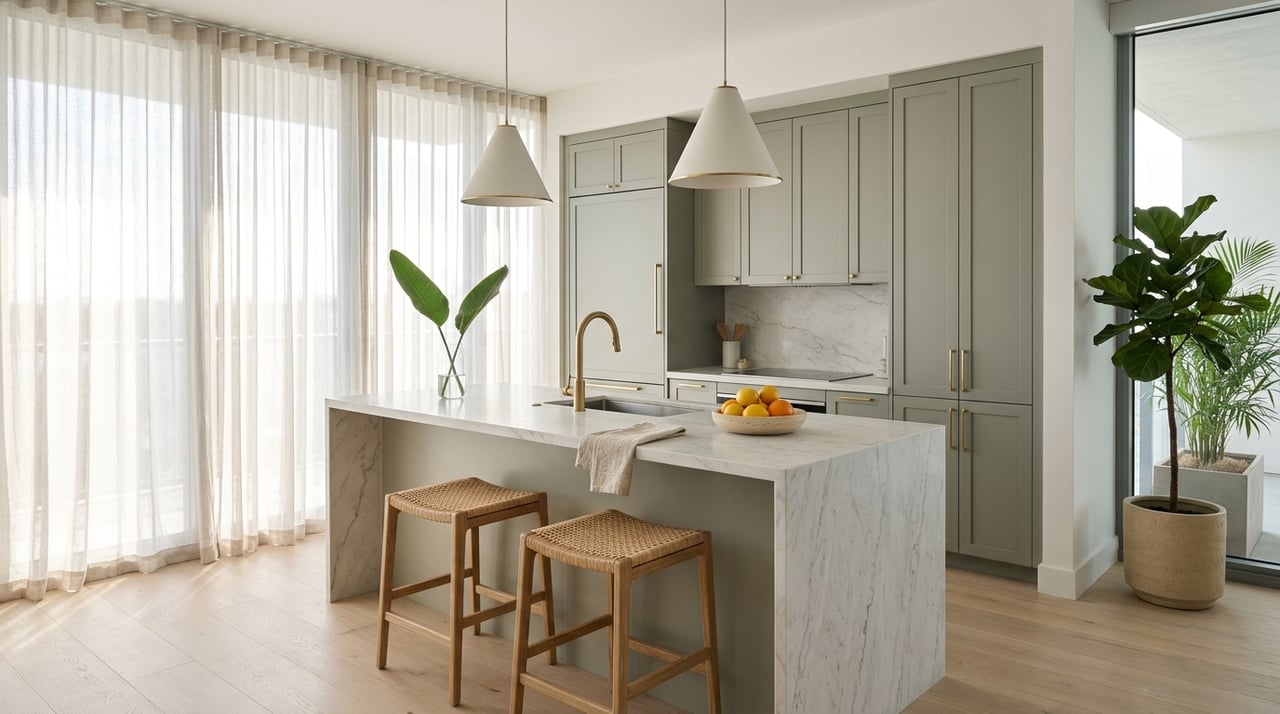
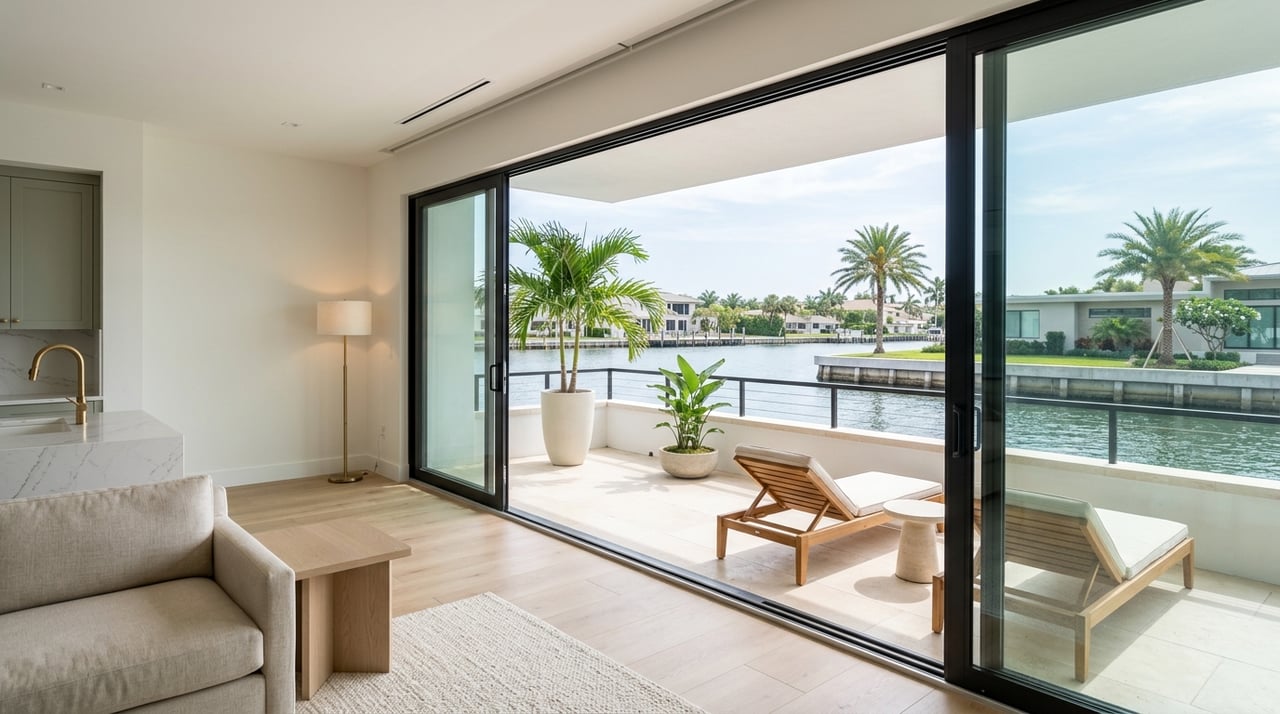
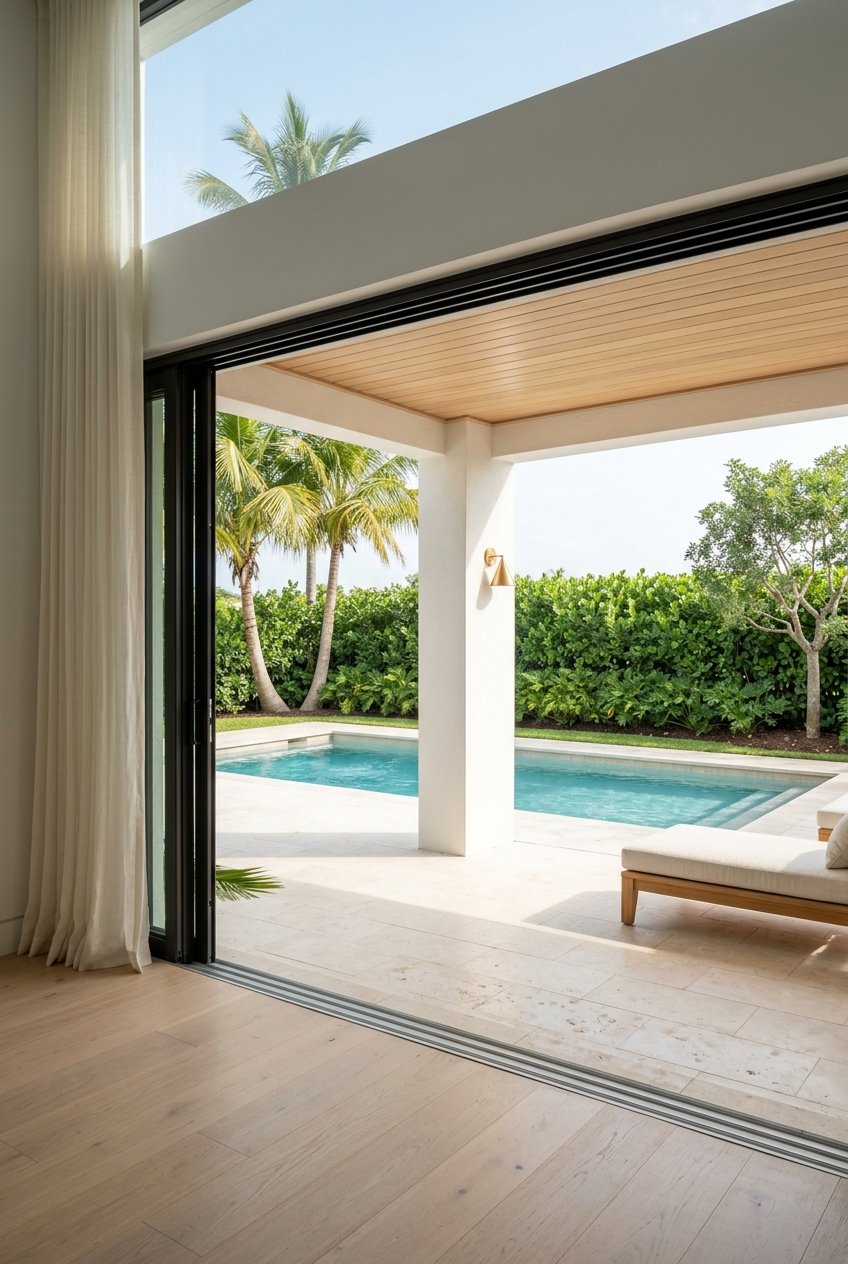
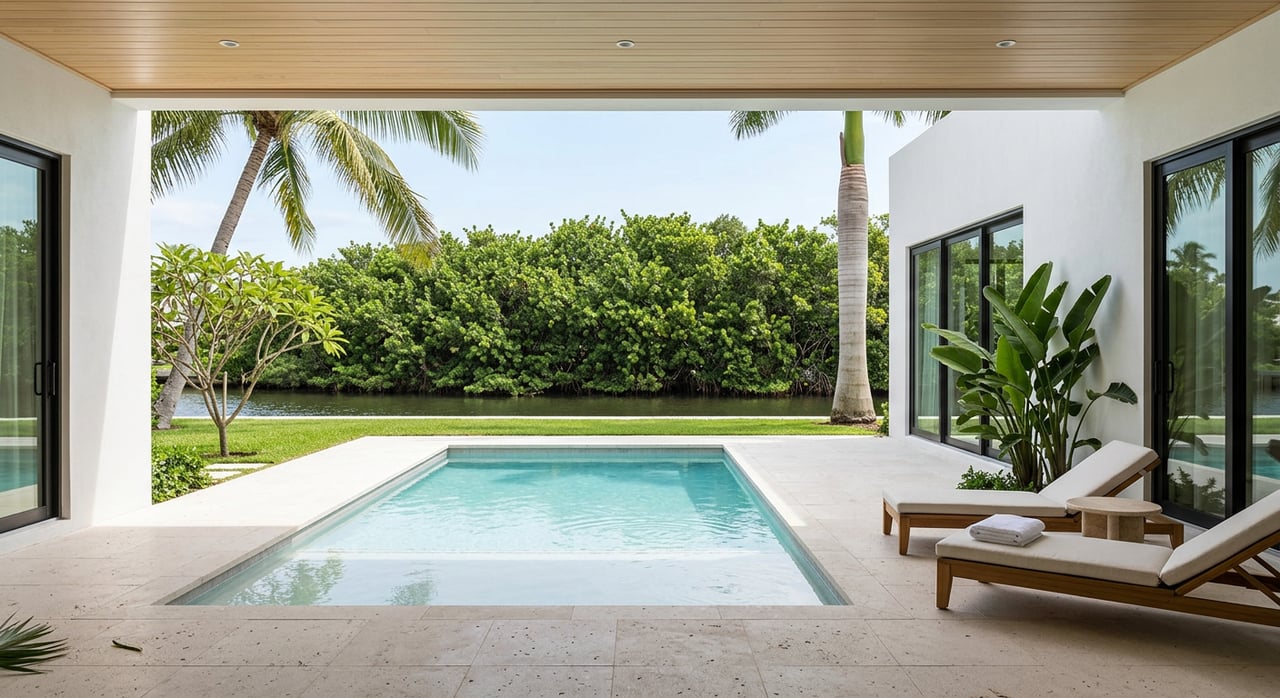
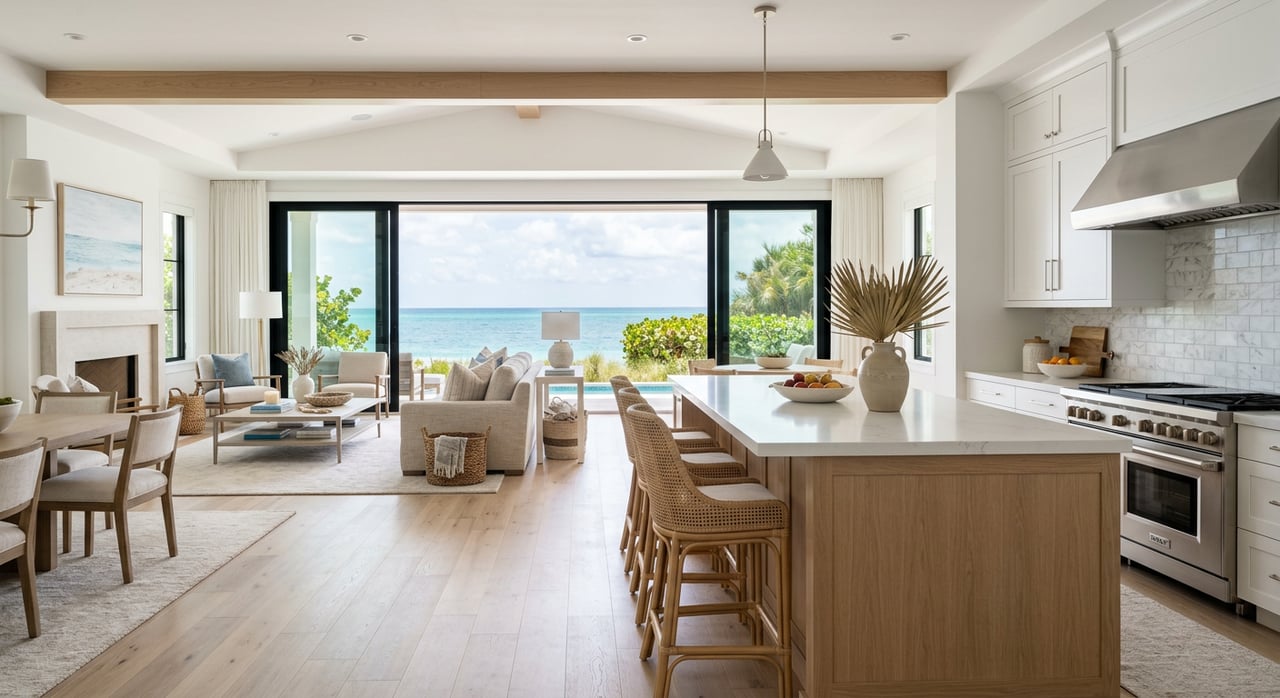
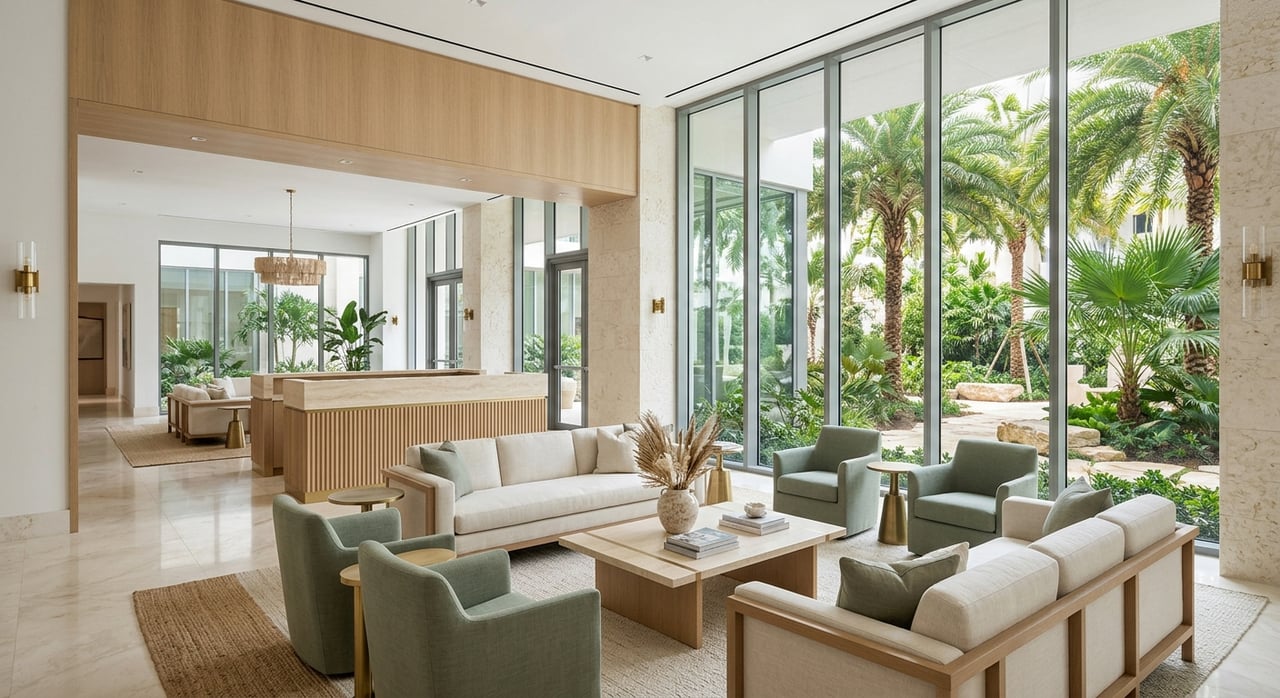
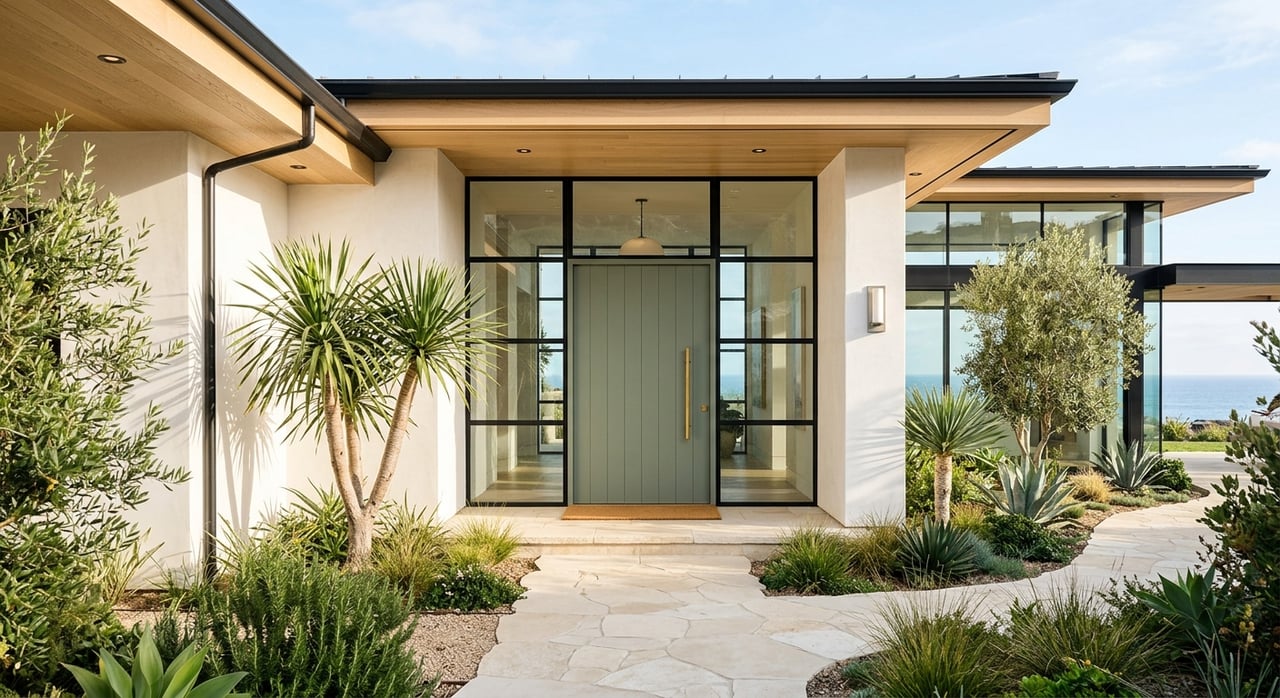
In practical terms, today’s waterfront buyer is being offered more than square footage. Developers are packaging privacy, indoor-outdoor living, and a hospitality-style amenity set that makes the residence feel closer to a resort than a traditional condo.
Larger layouts and private arrival
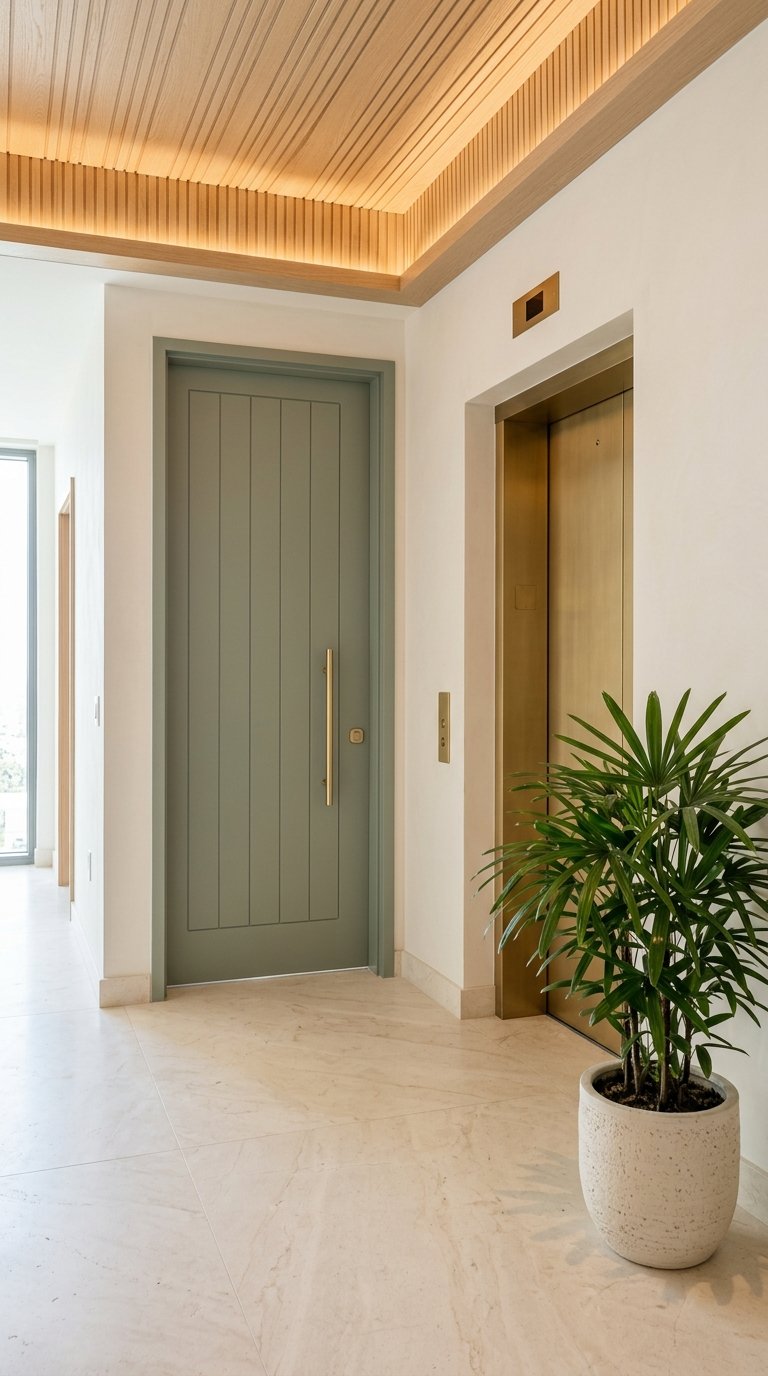
Official project materials across current developments highlight features like private elevator lobbies, flow-through floor plans, and wraparound terraces. These features help differentiate new construction from older waterfront inventory that may still have great locations but less refined layouts.
If you are comparing new construction with resale, this is one of the clearest value gaps. A newer building may not always win on price, but it often wins on livability and day-to-day convenience.
Wellness and service amenities
Another clear trend is the rise of wellness-centered and service-based amenities. Project marketing now emphasizes spa and fitness spaces, concierge services, on-site dining, marina access, and in some cases private beach club connections.
That shift matters because waterfront buyers are increasingly choosing an operating model as much as a residence. The question is no longer only, “How good is the view?” It is also, “How easy is this property to enjoy from day one?”
Dockage and resilience are now essential
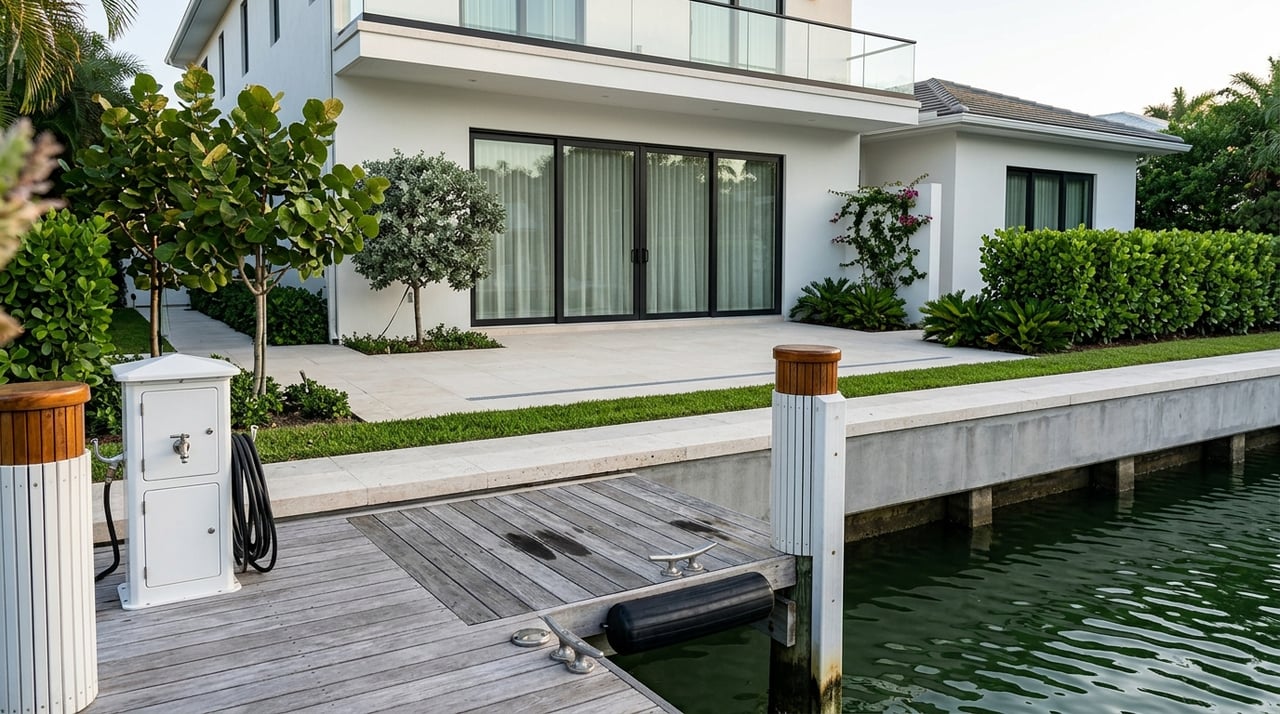
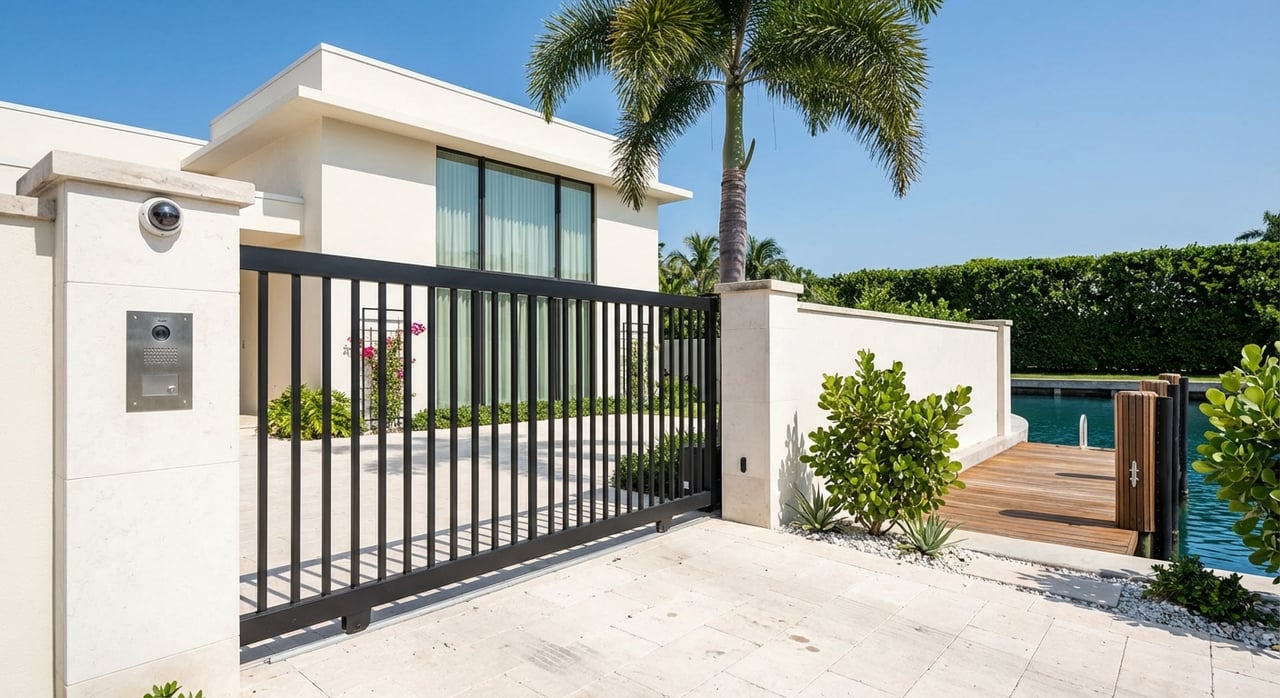
In Fort Lauderdale, waterfront construction is as much about feasibility as it is about style. Seawalls, docks, and flood resilience have become central parts of how new projects and custom waterfront homes are designed, approved, and valued.
This is one of the most important trends for buyers to understand because marine utility is no longer a simple add-on. It affects permitting, timelines, costs, and long-term usability.
Seawall standards are higher
Fort Lauderdale updated its tidal barrier rules in 2023. According to the city, the revised seawall standard is 5.0 feet NAVD88 rather than the prior 3.9 feet NAVD88, and the rule applies when an owner builds a new seawall, makes a major repair, or corrects tidal breaching conditions.
For you as a buyer or owner, this means waterfront value is increasingly tied to resilience readiness. A newly built or recently upgraded property may offer a very different risk and maintenance profile than an older home with outdated waterfront infrastructure.
Permitting is more structured
The city now routes submissions through LauderBuild and related permit workflows, with dedicated resources for seawall and dock permitting. That may sound technical, but it has a direct effect on how waterfront construction moves from idea to completion.
If you are evaluating a pre-construction condo, a new custom home, or a redevelopment parcel, entitlement and permitting deserve close attention. Timing, revisions, and compliance can shape the real timeline just as much as construction itself.
Dock design has real limits
Fort Lauderdale’s zoning code places specific limits on waterfront structures. Under the city code for residential docks and related structures, residential docks generally should not project more than 5 feet into a waterway beyond the property line or bulkhead line and should remain at least 10 feet from another residential property line.
The same code limits boathouses and boat lifts to 15 feet in height and restricts how far they can extend into the waterway. This is why dockage should be evaluated as a design and permitting issue, not simply as a marketing feature.
Public infrastructure is moving too
Waterfront resilience is not happening only at the property level. The city has active seawall replacement and stormwater improvement work in areas including Southeast Isles and Las Olas Isles, Rio Vista, Bayview Drive and Bay Colony, and Hendricks Isle.
That is important because it shows private redevelopment and public infrastructure upgrades are happening in parallel. When you assess long-term value, neighborhood-level improvements can matter alongside the building or home itself.
What this means for buyers
If you are considering new waterfront construction in Fort Lauderdale, your best option usually depends on three things: how soon you want to move, whether you need boating access, and how much pre-construction risk you are comfortable taking on.
A pre-construction purchase can give you the newest layouts, finishes, and amenity packages. It can also involve more uncertainty around timing and delivery. On the other hand, a completed or nearly completed building may offer more clarity because you can evaluate the finished product, the amenity experience, and the actual waterfront operation.
Recent market commentary also suggests that buyers are showing a stronger preference for turnkey homes and condos over unfinished projects or properties that still need major work. In a market where time and certainty matter, move-in-ready waterfront product can hold a meaningful advantage.
What this means for sellers and owners
If you own older waterfront property, new construction is raising the bar for what buyers expect. In many cases, the strongest new projects are solving three concerns at once: immediate livability, lower maintenance, and marine functionality.
That does not mean every resale property is at a disadvantage. It means positioning matters more. Buyers may compare your property not only on location and size, but also on seawall condition, dock usability, floor plan efficiency, and how much updating they will need to do after closing.
For owners considering a future sale, understanding how your property stacks up against the current new-build pipeline can shape smarter pricing and preparation decisions. In a market this nuanced, strategy matters just as much as presentation.
How to read the market moving forward
The clearest takeaway is that Fort Lauderdale waterfront new construction is becoming more specialized. Some projects are designed for buyers who want boutique scale and an easier entry point. Others are targeting buyers who prioritize branding, marina access, and very limited inventory. Still others are part of larger destination redevelopments that blend residences with hospitality and boating infrastructure.
That makes expert guidance especially valuable because the right purchase is rarely about chasing the newest building alone. It is about matching the product to your timeline, your lifestyle, and your long-term ownership goals.
If you are exploring waterfront opportunities in Fort Lauderdale, a tailored strategy can help you compare pre-construction versus completed inventory, evaluate dockage and resilience issues, and focus on the product type that best fits your plans. When you are ready for private, concierge-level guidance, connect with Ginger Coutain to schedule a consultation.
FAQs
What are the biggest new waterfront construction trends in Fort Lauderdale?
- The biggest trends include boutique building scale, larger floor plans, private elevator access, resort-style amenities, marina integration, and greater focus on seawalls, dockage, and resilience.
How much do waterfront properties cost in Fort Lauderdale right now?
- In the Q2 2025 Fort Lauderdale market report, waterfront single-family homes averaged $3.41 million and waterfront condos averaged $797,353.
Why does dockage matter in Fort Lauderdale waterfront new construction?
- Dockage affects lifestyle, property utility, and permitting. City rules limit how far docks and related structures can extend, so usable dockage is an important part of value and feasibility.
Are Fort Lauderdale seawall requirements changing for waterfront properties?
- Yes. The city raised the seawall standard to 5.0 feet NAVD88 for certain new seawalls, major repairs, and tidal breach corrections.
Is pre-construction or completed waterfront property better in Fort Lauderdale?
- It depends on your goals. Pre-construction may offer the newest design and amenities, while completed or nearly completed properties may provide more certainty on timing, condition, and overall delivery.