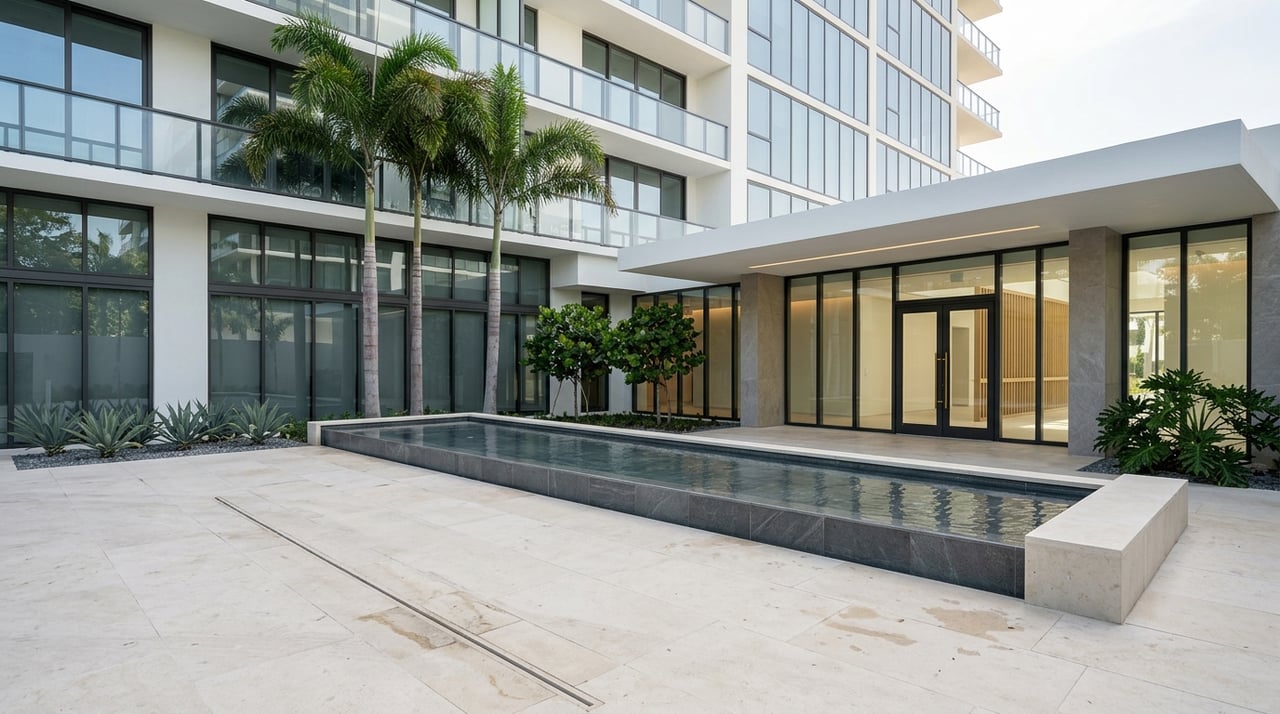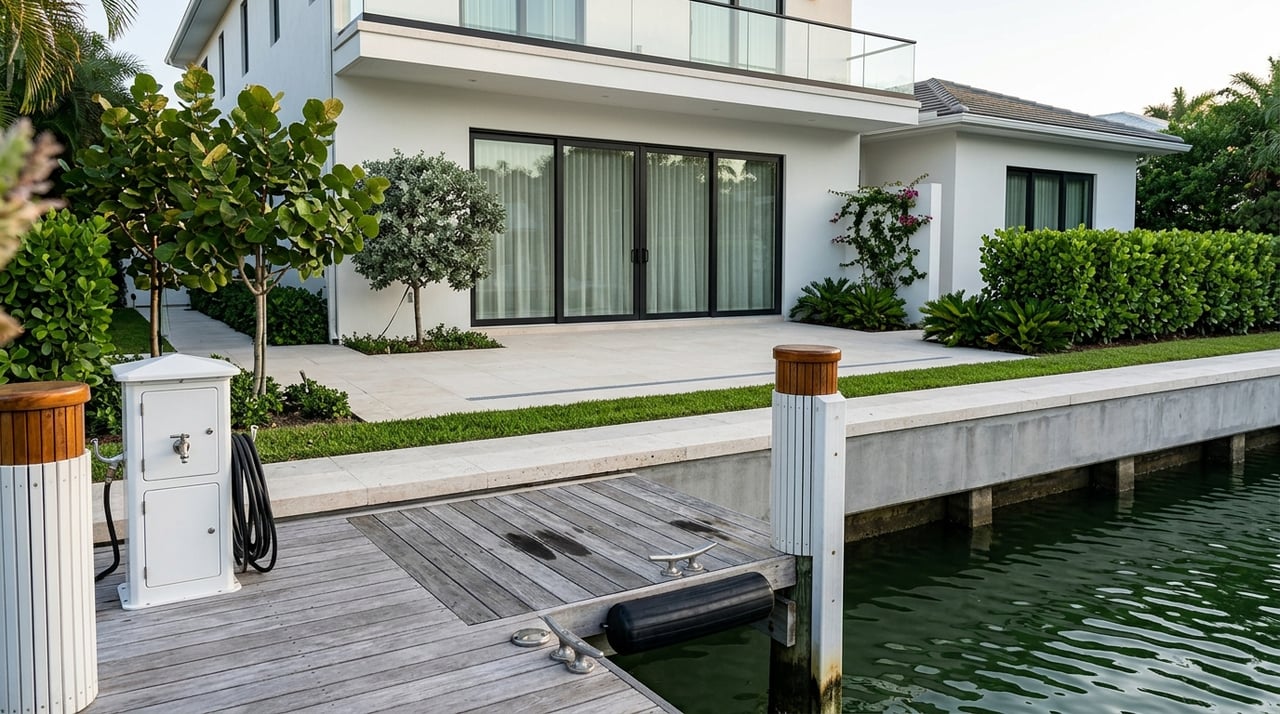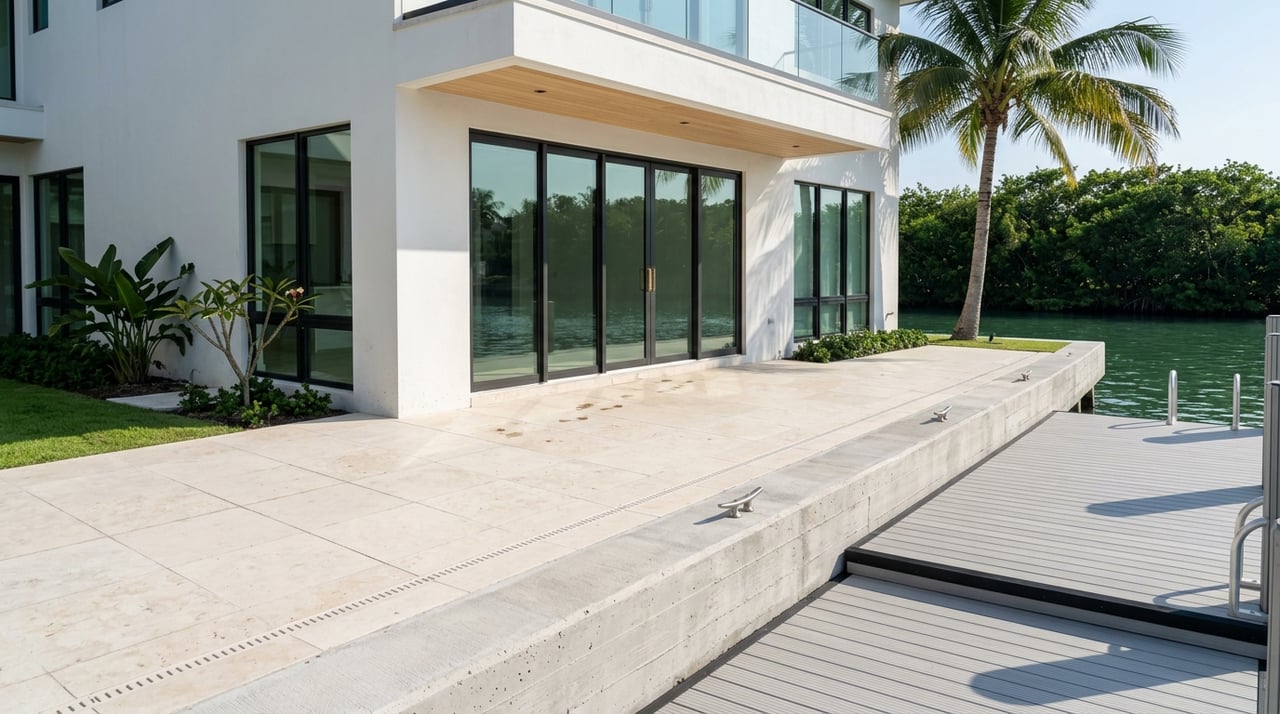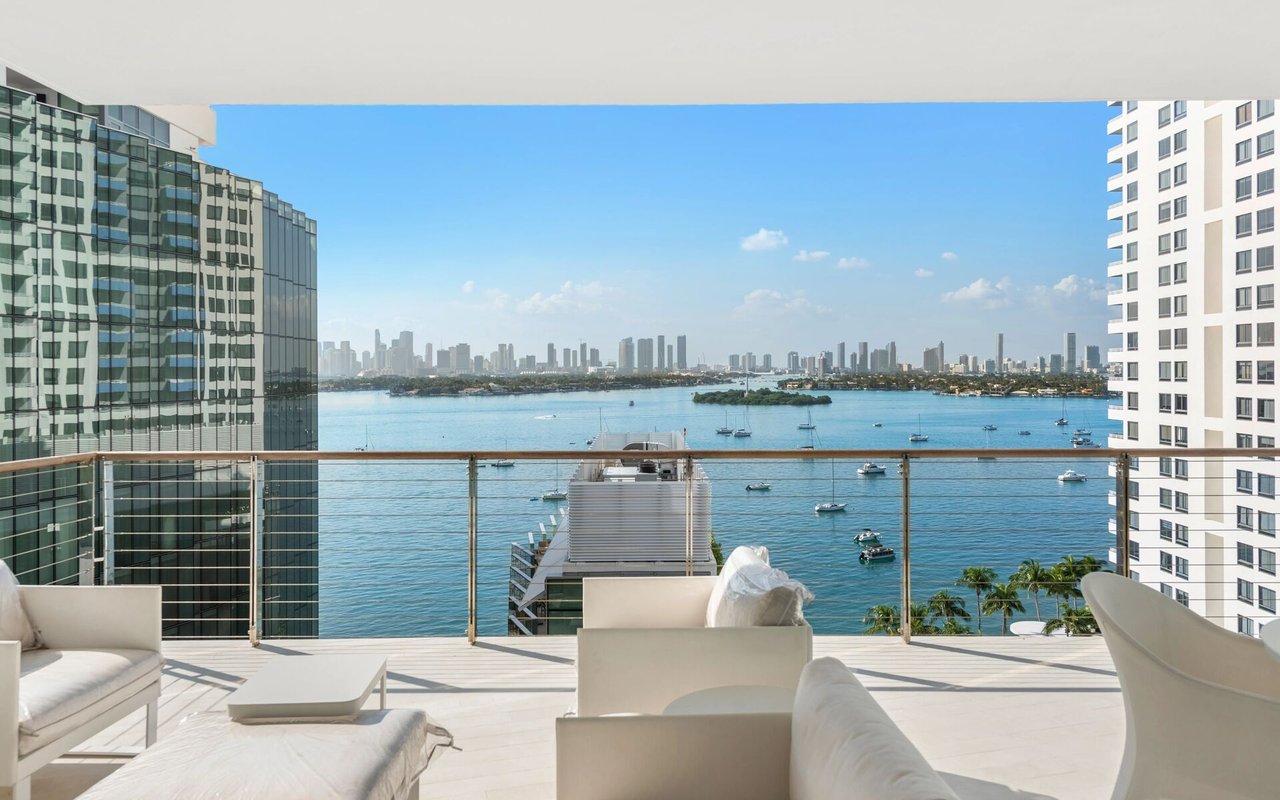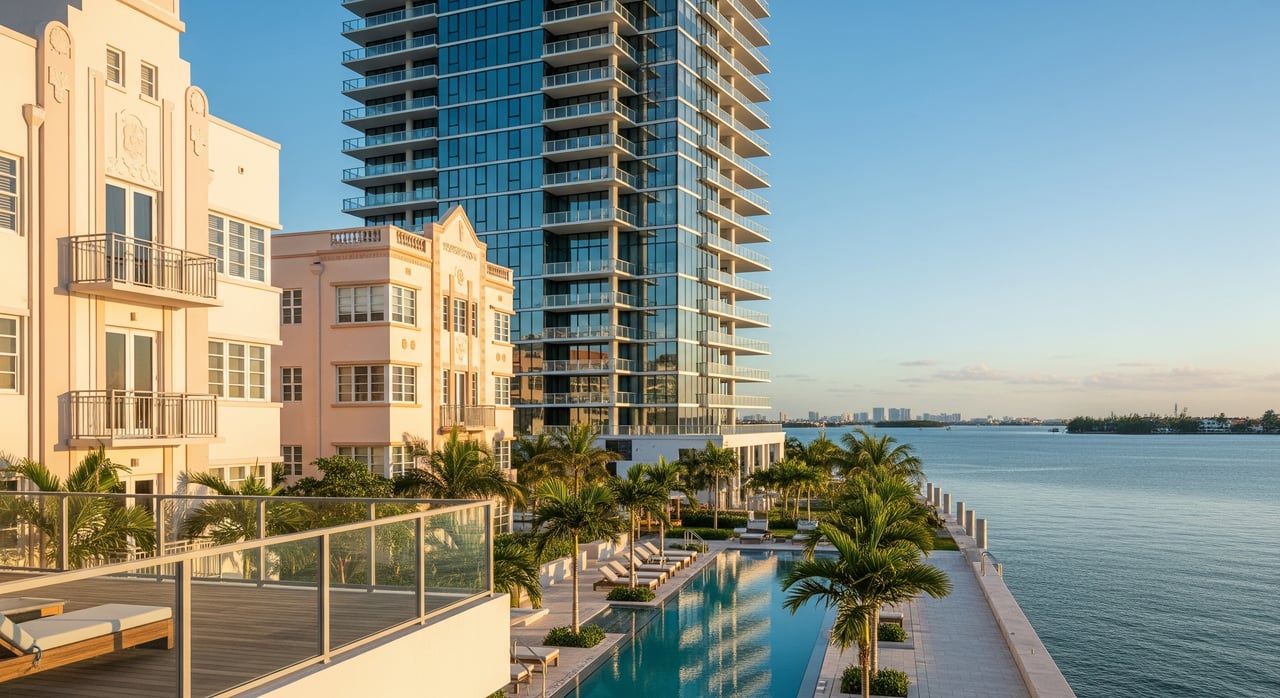
Picture this: you step onto your terrace, the bay is glassy, and your boat is ready for a sunrise cruise. If you live outside the U.S., turning that vision into a Miami waterfront address can feel complex. You may be weighing financing hurdles, tax rules, and coastal permits in a fast, competitive market. This guide simplifies each step so you can buy with confidence, from first viewing to post‑closing management. Let’s dive in.
Why Miami waterfront draws global buyers
Miami’s waterfront combines year‑round boating, resort‑style amenities, and strong global connectivity. In practice, you will compete with decisive buyers who often pay cash. Surveys show international purchasers pay all‑cash at much higher rates than typical U.S. buyers, which can speed up closings and reduce contingencies. See the data in the NAR international buyer report.
The buying roadmap at a glance
Define lifestyle and location fit. Confirm zoning, HOA or condo rules, and waterfront use limits for docks and lifts.
Choose cash or financing. If you plan to finance, engage a lender with foreign‑national programs early.
Craft your offer and contingencies. Include title review, survey, inspections, financing, and permit due diligence.
Enter escrow and diligence. Review title commitments and exceptions, HOA or condo documents, surveys, and seawall and pest reports.
Prepare to close. Wire funds to escrow, finalize insurance, and coordinate any FIRPTA steps if the seller is a foreign person.
Close and record. The deed and loan documents (if any) record, taxes are paid, and keys are delivered.
Post‑closing. Onboard a property manager, set up maintenance, and handle any required U.S. tax filings.
Build your local team
- Experienced Miami waterfront agent. You need market access, block‑by‑block insight, and offer strategy tailored to international buyers.
- U.S. real estate attorney. Reviews contracts, advises on entity choice, and oversees title and closing.
- U.S. tax advisor/CPA. Guides you on FIRPTA touchpoints, nonresident filings, rental income elections, and estate tax planning.
- Title/escrow company. In Florida, licensed title agents handle escrow, title insurance, and recording. Learn how Florida regulates title and escrow in the state statutes.
- Foreign‑national lender or broker. Not all banks finance non‑U.S. buyers, so pre‑qualify with the right lender.
- Property manager and coastal contractors. For seawalls, docks, lifts, and hurricane readiness.
Financing as an international buyer
Many international buyers close with cash or large down payments. If you prefer to finance, specialized foreign‑national programs exist, though terms often require higher down payments and rate premiums compared with conventional U.S. loans. Expect thorough documentation such as passport and visa details, proof and source of funds, recent bank statements, and income verification. Start pre‑approval early so your offer is credible and timelines hold.
Miami‑Dade closing taxes to expect
Florida charges documentary stamp taxes and, if you record a mortgage, an intangible tax. In Miami‑Dade, deed tax is structured differently than most counties. Key items to understand:
- Documentary stamp tax on deeds. Miami‑Dade’s standard deed rate differs from the statewide rate and includes a surtax that often applies to non‑single‑family conveyances.
- Documentary stamp tax on mortgage notes. Assessed on the mortgage amount.
- Intangible tax on mortgages. A one‑time percentage of the loan amount when the mortgage is recorded.
These amounts are routine closing charges in Miami. Review current rates and examples on the Florida Department of Revenue page. Who pays each item can be negotiated in the contract, so budget with your agent and attorney before you write an offer.
FIRPTA essentials for buyers
If the seller is a foreign person, the U.S. FIRPTA rules generally require the buyer to withhold 15 percent of the gross sales price and send it to the IRS, unless an exception or reduced withholding certificate applies. The buyer is the withholding agent and can be liable if the correct amount is not collected. Review the IRS FIRPTA overview.
Important thresholds if you will use the property as a residence:
- $300,000 or less. No withholding required when you meet the residence use test.
- $300,001 to $1,000,000. Withholding may be 10 percent when you meet the residence use test.
- Above $1,000,000 or non‑residence use. Standard 15 percent generally applies.
For details on forms and timing, see the IRS Instructions for Form 8288 and 8288‑B. Plan ahead with your closing agent to confirm the seller’s status, apply the correct rule, and escrow what is required.
Title, escrow, and closing in Florida
In Florida, licensed title agents manage escrow, issue title commitments, and arrange owner’s and lender’s title insurance policies. During diligence, your team will clear title exceptions, verify association estoppels, and order surveys. At closing, funds are wired to escrow, documents are signed and recorded, and taxes and recording fees are paid. If FIRPTA applies, the closing team coordinates the withholding or filing.
Coastal permits, seawalls, and docks
Waterfront improvements can require permits from state, federal, and local authorities. Projects touching seawalls, docks, dredging, or shoreline within certain coastal zones may involve the state’s Coastal Construction Control Line and environmental resource permitting. Start permit due diligence early and review timelines before you remove contingencies. The Florida DEP resource index is a good starting point for understanding programs and contacts.
Flood and wind insurance realities
Many waterfront homes sit in FEMA Special Flood Hazard Areas. If you finance with a federally regulated lender, flood insurance is typically required for the life of the loan. Premiums for both flood and windstorm insurance can be material, so get quotes during diligence. Check current flood maps and obtain an elevation certificate when indicated. For local floodplain guidance and resources, visit this flood information hub.
Ownership structure and reporting
Choosing between personal ownership and a U.S. entity has legal, tax, and reporting effects. Beginning in 2024 and refined in 2025, the Corporate Transparency Act created Beneficial Ownership Information reporting for many entities. Before you form a new holding company, have counsel confirm whether BOI reporting applies and what to file. Review current guidance in FinCEN’s BOI toolkit.
Also consider U.S. estate tax exposure. Nonresident noncitizens often have a much smaller exemption for U.S.‑situs assets than U.S. citizens and residents. Coordinate with U.S. tax counsel early, especially for high‑value waterfront property.
Operating the property after closing
If you plan to rent, rules vary by municipality and by HOA or condo documents. Some areas restrict short‑term rentals, and many associations limit lease terms or frequency. At the federal level, nonresidents must report U.S. rental income. You can often elect to treat it as effectively connected income to allow expense deductions and graduated tax rates. Read the IRS guidance in Publication 519 and work with a CPA.
Operationally, a Miami waterfront home needs active care. Budget for seawall and dock inspections, lift service, landscape and pool contracts, and hurricane readiness plans. A capable property manager can coordinate vendors and compliance.
Due diligence checklist for waterfront buyers
Pre‑offer
- Confirm flood zone and request an elevation certificate if in a Special Flood Hazard Area. Use local resources like this flood information page.
- Review association rules and financials, including rental policies and insurance coverage.
- Order preliminary title work and a boundary survey; note any easements and riparian rights.
- Inspect seawall and dock. Check permit history for docks, lifts, dredging, and shoreline work.
Contract to closing
- Secure foreign‑national lender pre‑approval if financing and schedule appraisal.
- Confirm your escrow and title agent will handle FIRPTA filings and affidavits when needed. Review the IRS Instructions for Form 8288.
- Budget for Miami‑Dade deed and mortgage taxes using the Florida DOR guidance.
- Obtain flood and wind insurance quotes and line up coverage before loan approval.
Post‑closing
- Confirm delivery of your title policy and recorded deed.
- Onboard a property manager and set a seawall and dock maintenance calendar.
- If renting, set up bookkeeping, local registrations if applicable, and follow IRS rental income rules.
How Ginger LuxeReal helps international buyers
You deserve an advisor who merges lifestyle insight with rigorous execution. Our role is to help you choose the right waterfront location, align the offer and due diligence with your goals, and coordinate the specialists who make a cross‑border purchase seamless. We introduce lenders that finance foreign nationals, manage title and FIRPTA coordination, and connect you with trusted property managers and coastal engineers. Throughout, you get founder‑level attention and a concierge experience that protects both lifestyle and long‑term value.
Ready to explore Miami’s best waterfront homes with a trusted local partner? Schedule a Private Consultation with Ginger Coutain.
FAQs
What does FIRPTA mean for a Miami buyer if the seller is foreign?
- You may need to withhold 15 percent of the sales price and send it to the IRS unless a residence exception or reduced withholding certificate applies. See the IRS FIRPTA overview.
Which Miami‑Dade closing taxes should I expect when I finance?
- Expect documentary stamp tax on the deed, doc stamps on the mortgage note, and an intangible tax on the mortgage amount, all customary at closing. Review current rates at the Florida Department of Revenue.
Can I get a U.S. mortgage as a non‑resident buyer?
- Yes, but not all lenders offer foreign‑national programs. Expect higher down payments, rate premiums versus conventional loans, and detailed documentation. Start pre‑approval early.
Do I need flood insurance on a Miami waterfront home?
- If your property is in a FEMA Special Flood Hazard Area and you have a federally regulated mortgage, flood insurance is typically required for the life of the loan. Get quotes during diligence and check local resources like this flood information hub.
What should I verify before planning a new dock or seawall?
- Confirm permit history, environmental sensitivities, and whether projects fall within state coastal programs like the CCCL. Start with the Florida DEP resources and consult local experts.
How are U.S. rental income taxes handled for foreign owners?
- Nonresidents must report U.S. rental income. You can often elect effectively connected treatment to deduct expenses and use graduated rates. See IRS Publication 519 and coordinate with a CPA.
Do entity owners need to report beneficial ownership information?
- Many entities must file Beneficial Ownership Information with FinCEN under the Corporate Transparency Act. Rules were updated in 2024–2025, so confirm your status in FinCEN’s BOI toolkit before forming a new entity.