Are you weighing whether to pay all cash or secure jumbo financing for a Miami luxury home? You are not alone. In a market defined by high-end condos, international demand, and fast-paced dealmaking, the right funding approach can shape your negotiating power, timeline, and long-term portfolio. This guide gives you a practical framework tailored to Miami so you can choose a path that fits your goals and the property. Let’s dive in.
Miami luxury market context
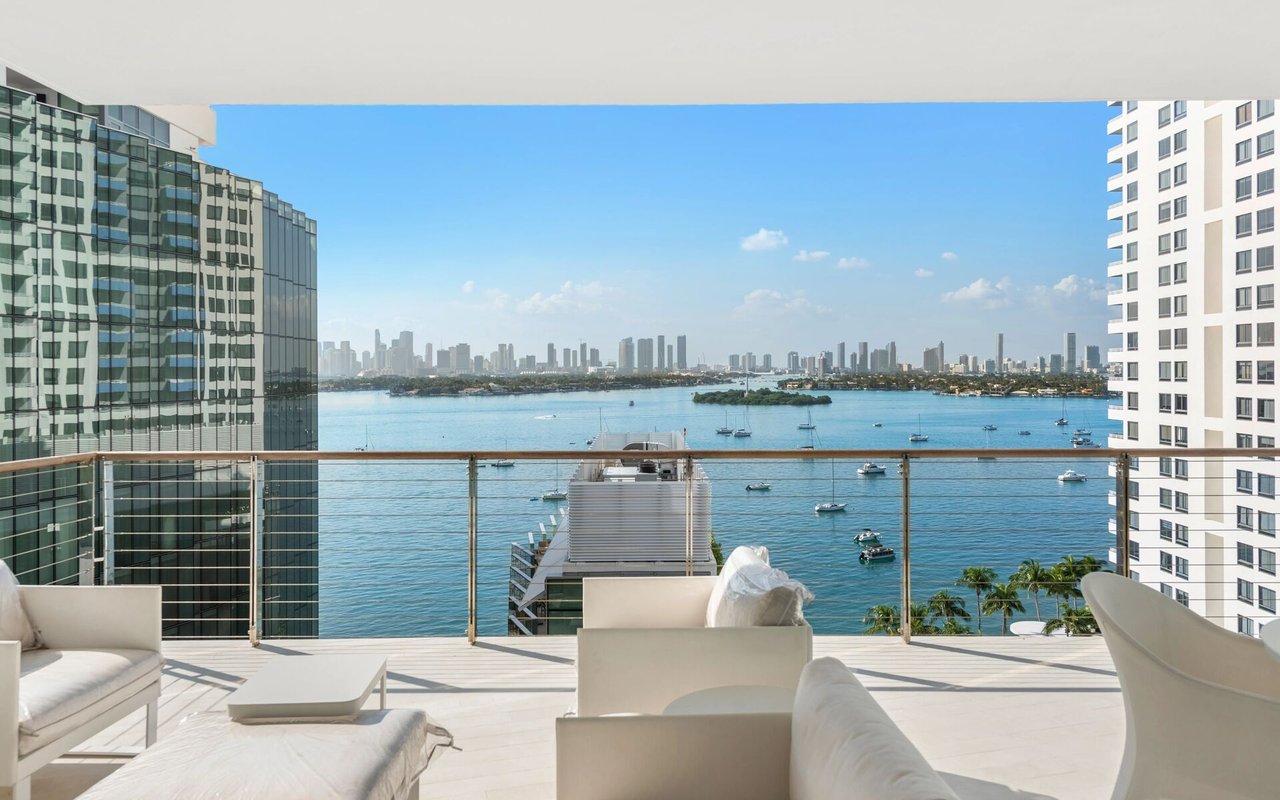
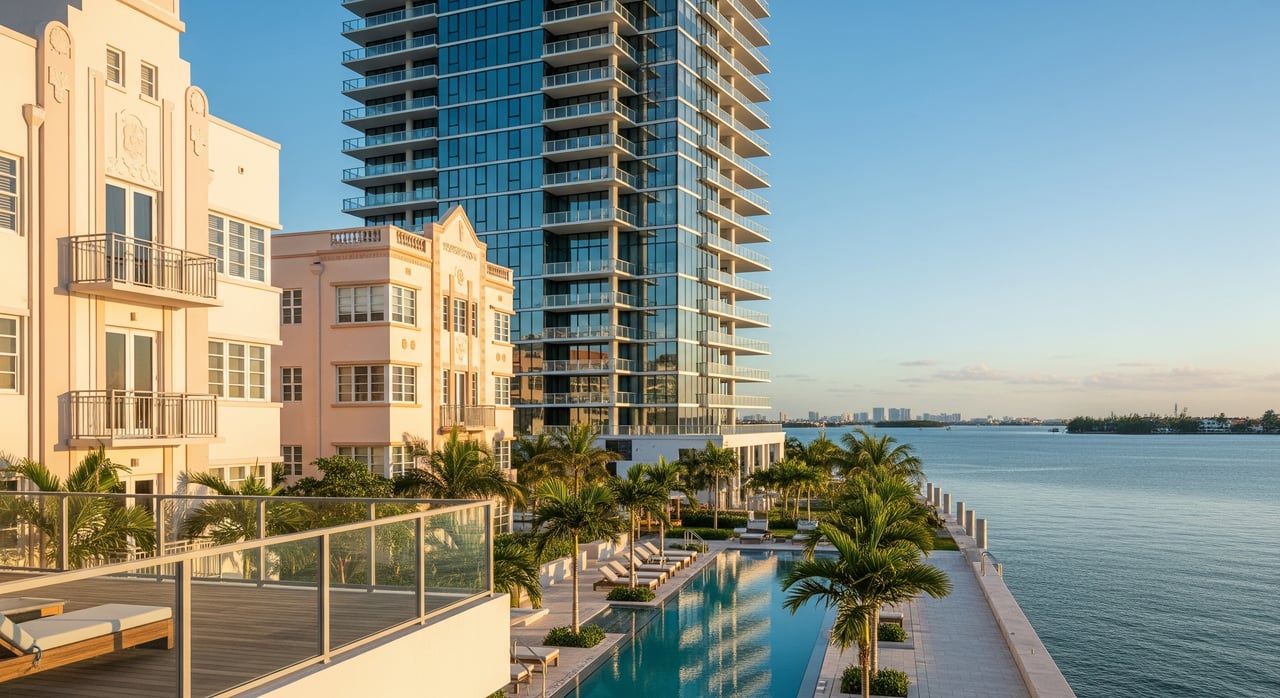
Miami’s luxury market attracts affluent domestic and international buyers, with a large share of high-rise coastal condos. Many sales occur above conforming loan limits, which means jumbo or portfolio lending is common when buyers finance. Because the market often moves quickly, sellers tend to prefer offers with strong certainty and clean terms.
Cash is often seen as lower risk since there is no loan approval to derail the deal. That said, a well-structured financed offer with strong preapproval, meaningful earnest money, and clear appraisal language can be highly competitive. Your strategy should reflect the property type, building status, and the seller’s priorities.
What paying cash really means
“Cash” simply means no mortgage is used. You still complete a full closing process with a title company or attorney, and you must secure required insurance. You also pay standard closing costs and recording fees.
Expect to provide robust proof of funds. In Miami luxury transactions, sellers often request up-to-date documentation and may ask for the source of funds.
Common proof-of-funds examples:
- Bank or brokerage statements with name and balances
- Bank letters or escrow account statements
- Wire confirmations or third-party verification
Timing is often the advantage. Without lender steps, many cash deals close in 7 to 21 days if inspections, insurability, and title are clear. The actual timing depends on how quickly both sides can produce documents, schedule inspections, and coordinate with title.
How jumbo and portfolio financing works
Most financed Miami luxury purchases use jumbo or private bank portfolio loans. These loans exceed conforming limits and follow stricter underwriting. You will provide full income documentation, tax returns, asset verification, and explanations for large deposits. Many lenders also require additional reserves.
Condo or project underwriting can be pivotal. Lenders review whether the building is considered warrantable. Non-warrantable condos often cannot use conventional financing and may need cash or specialized portfolio options. Underwriting standards vary by lender.
Plan for a longer runway. Financed closings commonly take 30 to 45+ days due to underwriting, appraisal, condo review, flood and wind insurance verification, and clear-to-close steps. An experienced local lender and thorough preapproval can help streamline the process.
Condo warrantability and building health
A large share of Miami luxury properties are condominiums. Lender approval often hinges on building financials and governance. Factors include owner-occupancy ratios, commercial space, litigation, and reserve levels. If the building is non-warrantable or has legal or reserve issues, conventional financing may be unavailable.
Practical takeaway: In some high-rise luxury buildings, cash is the most realistic path when the project does not meet lender criteria. Specialized portfolio financing may be possible, but terms can be stricter and timelines longer.
Appraisals and appraisal gaps
Most jumbo loans require a full appraisal by a qualified luxury appraiser. Automated waivers are uncommon for unique, high-value properties. If a property appraises below the contract price, you may need extra cash to cover the gap.
Cash buyers can waive appraisal contingencies, which increases certainty for the seller. Financed buyers can use an appraisal-gap clause that commits to covering a specific shortfall. This can strengthen your offer but increases your risk if the appraisal comes in low.
Insurance factors in coastal Miami
Lenders will require evidence of adequate hazard, windstorm, and flood insurance where applicable. Replacement-cost values, windstorm deductibles, and mitigation features like impact windows can affect insurability and premiums. Flood zone status can also add steps to underwriting and closing logistics.
Confirm insurability and estimated premiums early. This helps you avoid last-minute surprises and supports a clean, credible offer timetable.
International buyer considerations
If you are purchasing from abroad, plan early for currency transfer timing, bank KYC reviews, and anti-money-laundering compliance. Expect requests for source-of-funds documentation from title companies and banks. Build in extra time for international wire clearances.
You may also need tax identification and cross-border tax guidance. While sellers face FIRPTA rules, international buyers benefit from a tax advisor who understands U.S. real estate ownership structures. Start this work ahead of making an offer to keep your timeline on track.
Negotiating power: cash vs. financing
Cash gives you maximum closing certainty, faster timelines, and more flexibility on contingencies and inspection periods. These advantages often translate into a stronger negotiating position on price and terms.
Financing can still compete if you present a complete, confident package. To bridge the perceived risk, show a strong preapproval, offer higher earnest money, provide clear appraisal language, and share a realistic timeline anchored by your lender’s milestones.
Decision framework for buyers
Use this step-by-step lens to decide what fits your goals and the property.
Building eligibility. Is it a non-warrantable condo or a building with litigation or low reserves? If yes, cash or portfolio lending may be the only paths.
Seller’s priorities. Is speed and certainty critical to the seller? If a quick, low-risk close is the top goal, cash has a major advantage.
Cost of capital. Compare your after-tax mortgage cost to the expected return on your investments. Consider your risk tolerance and liquidity needs.
Cross-border logistics. Will currency conversions, banking approvals, or AML reviews slow fund transfers? If so, start documentation early.
Tax and estate planning. Are there reasons to use or avoid leverage for your family or entity structure? Engage your CPA and advisors.
Cash purchase checklist
Prepare the essentials early so you can act decisively when the right property appears.
- Recent bank or brokerage statements and a bank letter
- Evidence of liquidated securities, if relevant
- Verified wiring instructions with the title company
- Plan for large-value wire timing and clearance
- Insurance confirmations for flood, wind, and hazard
- Estimated closing costs and recording fees reviewed in advance
Financed purchase checklist
A polished financing package can win in competitive situations.
- Full preapproval letter that specifies jumbo or portfolio loan
- Documented down payment and required reserves
- Clear list of condo documents for lender review
- Appraisal expectations and possible appraisal-gap strategy
- Early insurance quotes for flood, wind, and hazard
- Timeline from your lender to reach clear-to-close
Items both buyers should confirm
Whether you pay cash or finance, these steps keep timelines smooth and predictable.
- Flood zone status and insurance availability
- Title search status and any liens, surveys, or exceptions
- HOA estoppel letters and condo documents ordered early
- Closing logistics, transfer taxes, and estimated settlement costs
Pros and cons at a glance
Cash pros:
- Maximum certainty and speed
- Strong negotiating position on price and contingencies
- Useful for non-warrantable condos or complex properties
- No mortgage interest or loan fees
Cash cons:
- Opportunity cost of capital and concentration risk
- Less liquidity for other investments
- Potentially more source-of-funds scrutiny for international transfers
Jumbo financing pros:
- Preserve capital and diversify your portfolio
- Leverage may be attractive if after-tax cost is favorable
- Relationship benefits with private banks and structured payments
Jumbo financing cons:
- Longer, more conditional process
- Stricter documentation and reserve requirements
- Appraisal and condo approval risks that can delay or change terms
Timelines and local logistics
Plan around the steps that most often add time. Condo estoppels, HOA document packages, and lender reviews can be rate-limiting factors. Appraisals for unique properties may need scheduling time with a specialized luxury appraiser. Title work, surveys, and satisfaction of liens can also affect closing dates.
With cash, many buyers close in as little as one to three weeks when documentation is ready. With financing, 30 to 45+ days is common. Build your offer around realistic milestones and communicate them clearly to the seller.
How to compete as a financed buyer
If you are financing in a cash-leaning market, signal strength and reliability.
- Provide a detailed preapproval, not a basic prequalification
- Increase earnest money and consider shorter inspection periods
- Use an appraisal-gap clause with a defined coverage amount
- Share a lender letter of intent and a clear, credible timeline
- Order condo documents, insurance quotes, and key items early
When cash makes sense
Cash can be the right move when the building is non-warrantable, the seller prioritizes speed and certainty, or you value privacy and a streamlined process. It also fits when you want to avoid loan costs and keep terms as clean as possible. Just balance the opportunity cost against your broader investment strategy.
When financing makes sense
Financing can be optimal when you want to preserve cash, maintain diversification, or align leverage with your overall portfolio plan. If the property is warrantable, your documentation is strong, and your lender is experienced with Miami luxury, you can compete effectively while keeping capital working elsewhere.
Your next step
The best answer depends on the property, the building, and your long-term goals. A focused, Miami-specific plan helps you secure the right home on the right terms. If you want a discreet, advisory-style approach that weighs lifestyle and portfolio factors, let’s talk about your purchase strategy and funding options.
Ready to evaluate a specific property or building? Schedule a Private Consultation with Ginger Coutain to design a plan tailored to your timeline, risk tolerance, and investment objectives.
FAQs
How fast can a cash luxury purchase close in Miami?
- Many cash deals close in 7 to 21 days if inspections, insurability, and title are clear, and all parties are prepared.
What is a non-warrantable condo in Miami?
- A condo project that does not meet lender eligibility standards, often due to litigation, reserves, investor concentration, or other factors that limit conventional financing.
How do appraisal gaps affect financed buyers?
- If the appraised value is below the contract price, you may need to cover the difference in cash or use an appraisal-gap clause that commits to a defined coverage amount.
Which insurance do Miami coastal properties usually require?
- Lenders typically require hazard, windstorm, and flood insurance where applicable, with coverage levels tied to replacement cost and the property’s flood zone.
What proof of funds is expected for Miami cash offers?
- Sellers often request recent bank or brokerage statements, a bank letter, or verified escrow statements, and may ask for the source of funds for large transfers.
What can international buyers do to avoid delays?
- Start source-of-funds and KYC documentation early, plan currency transfers ahead of contract, and coordinate with tax counsel on ownership structure and IDs.