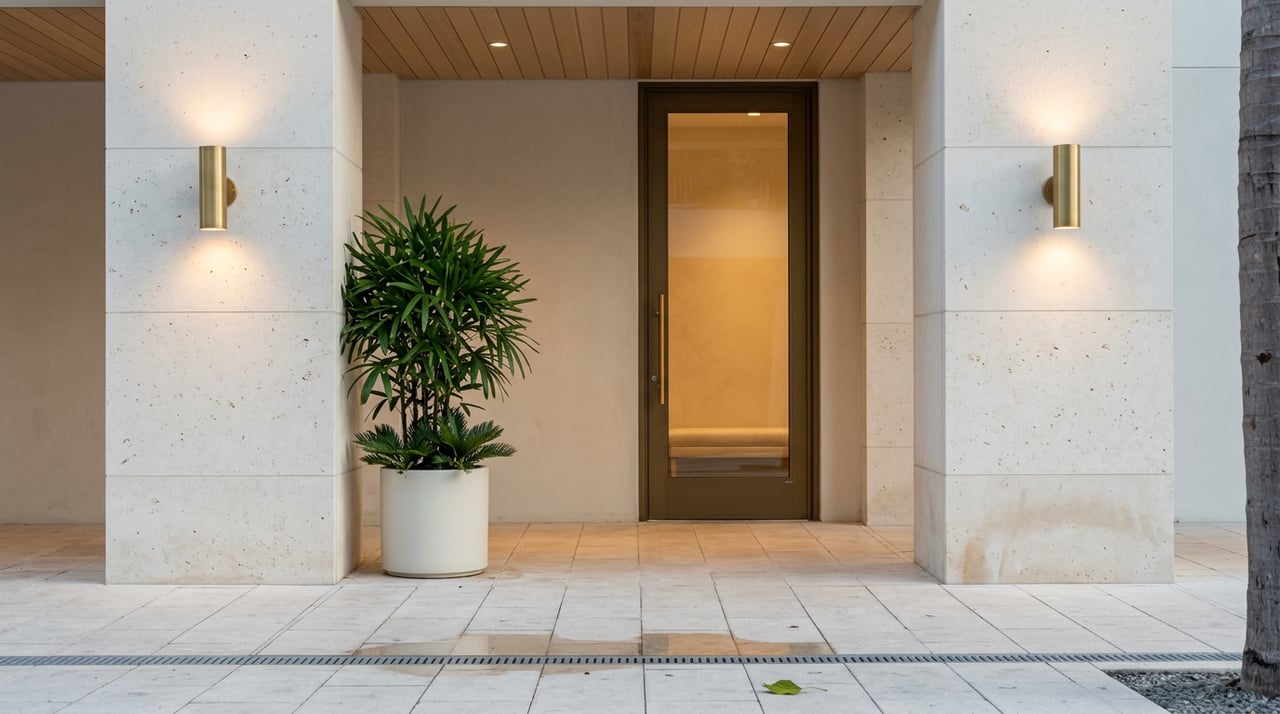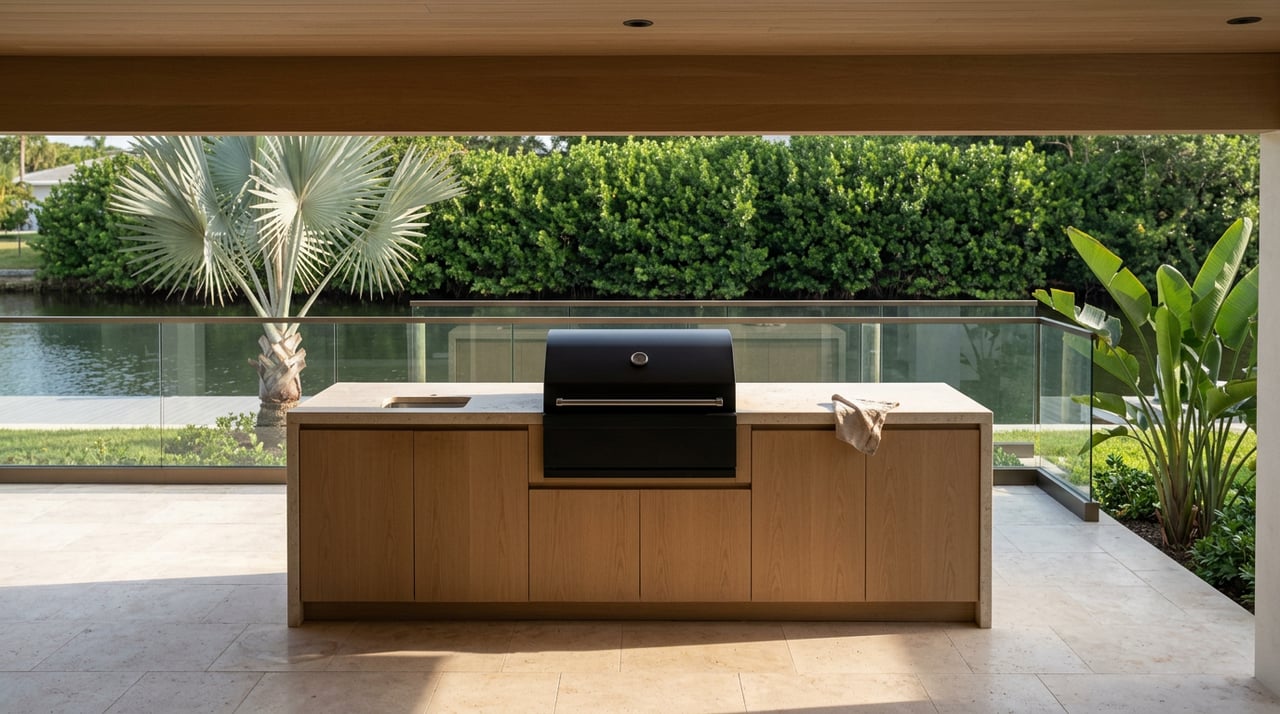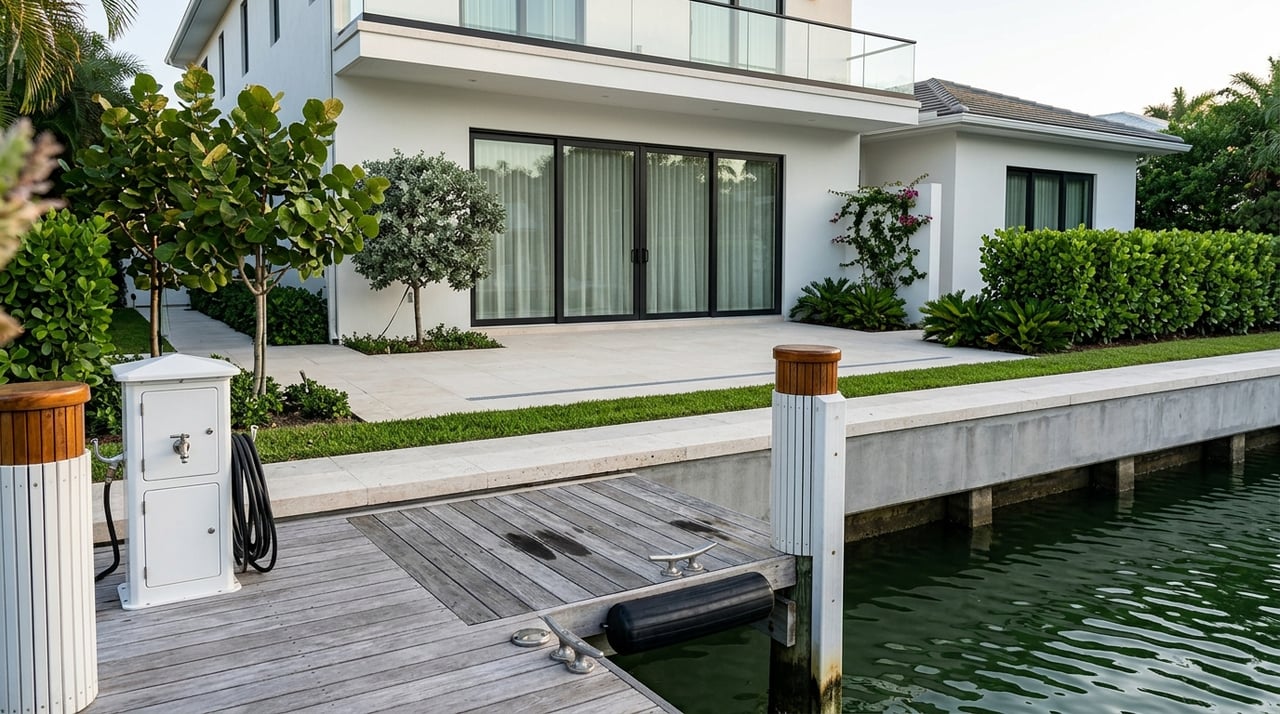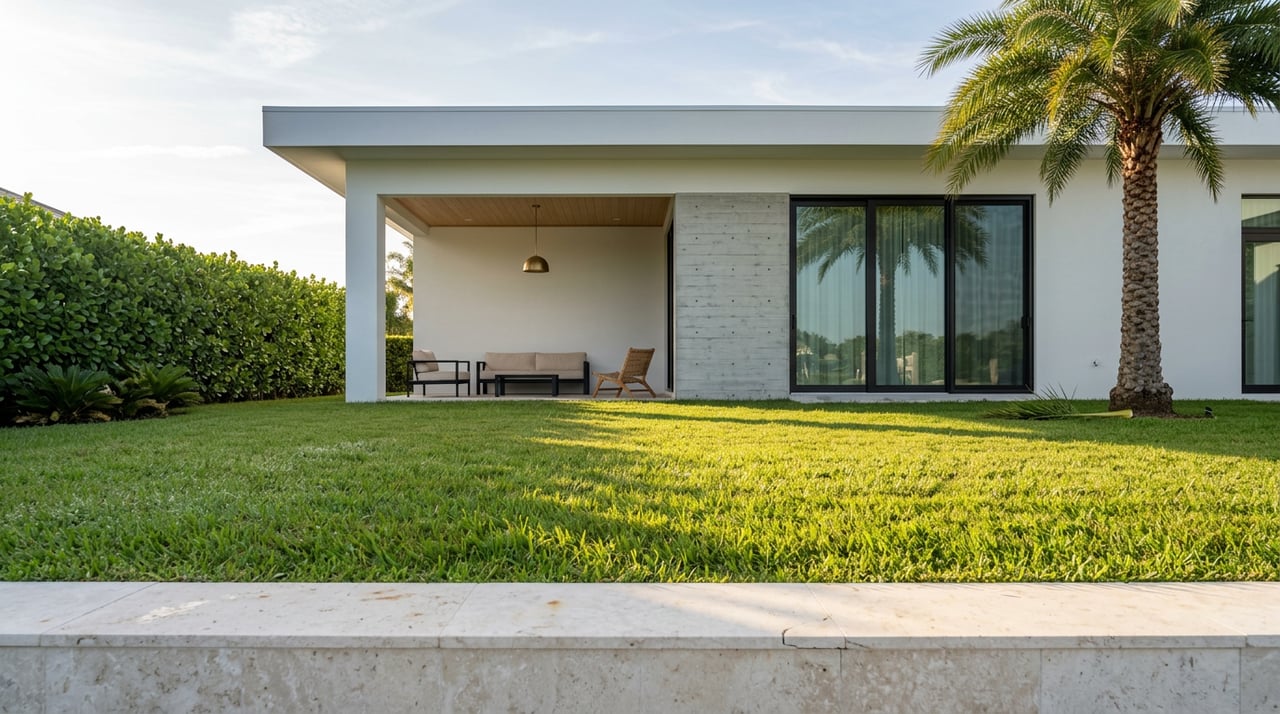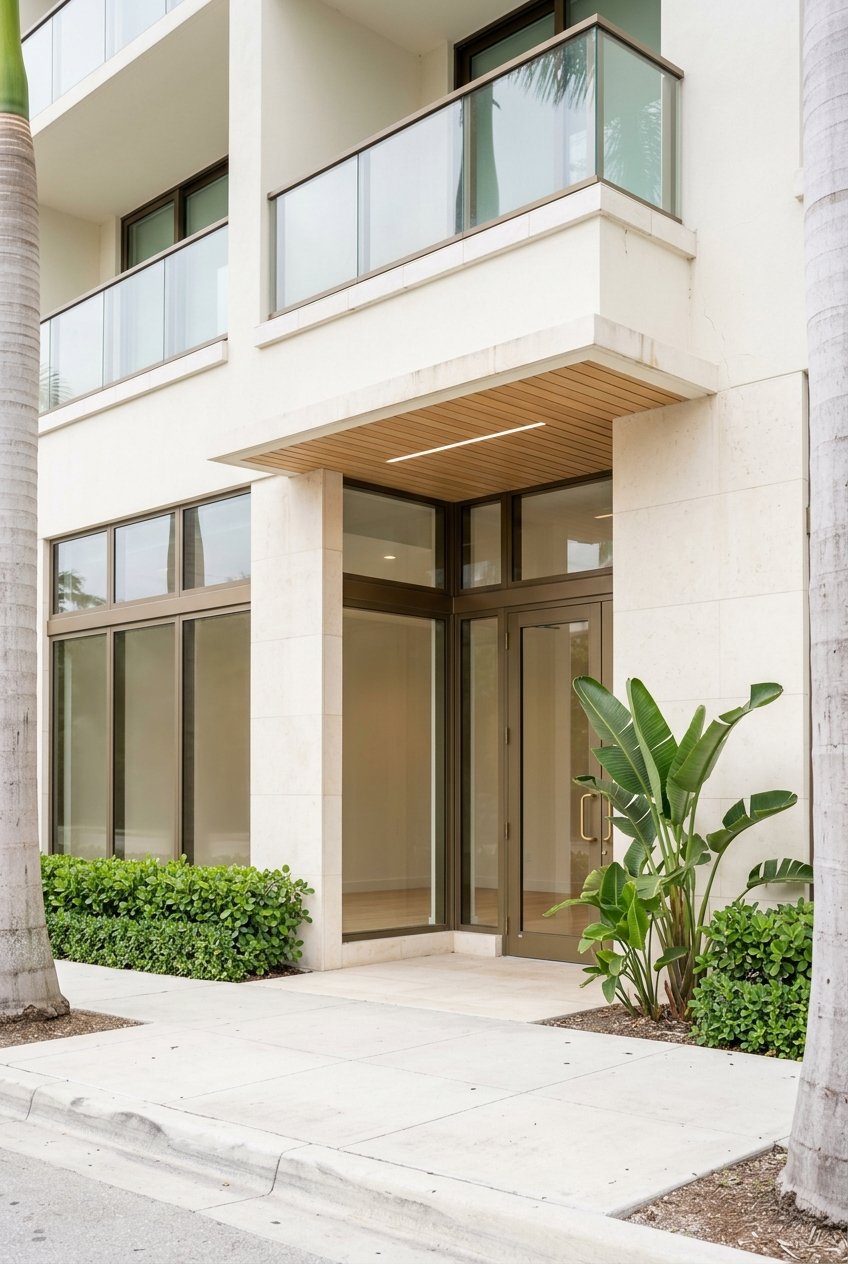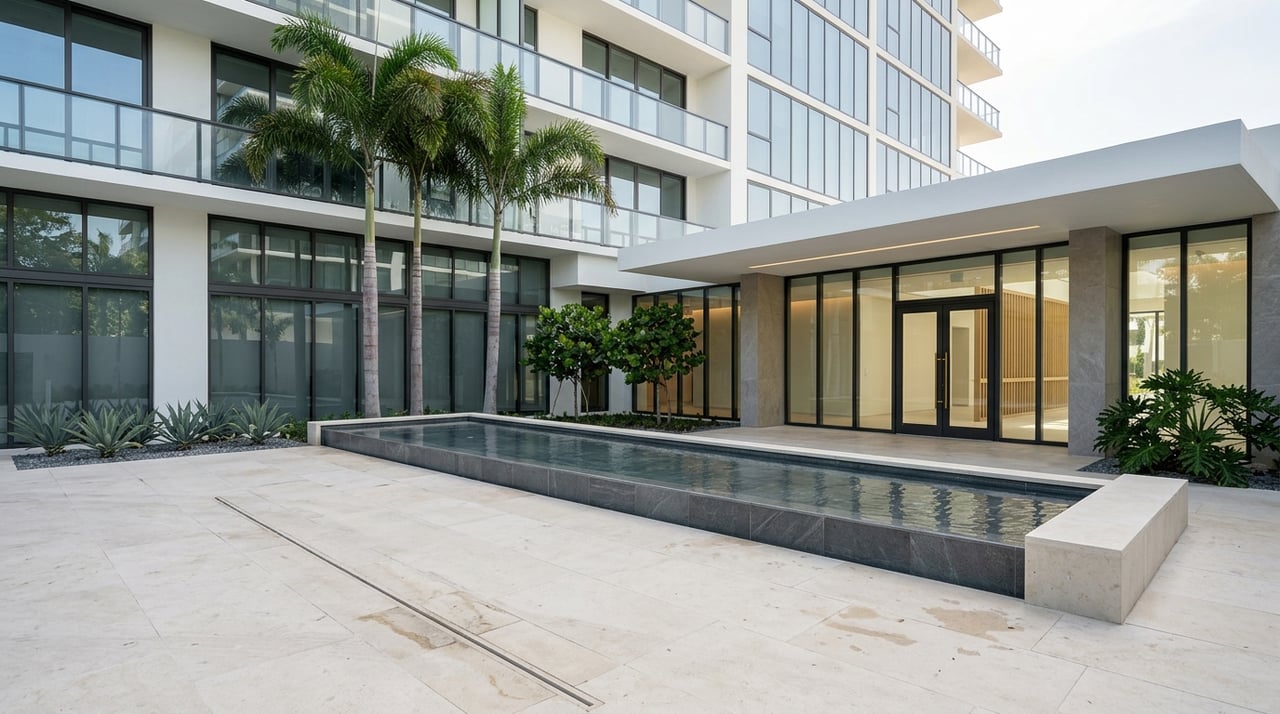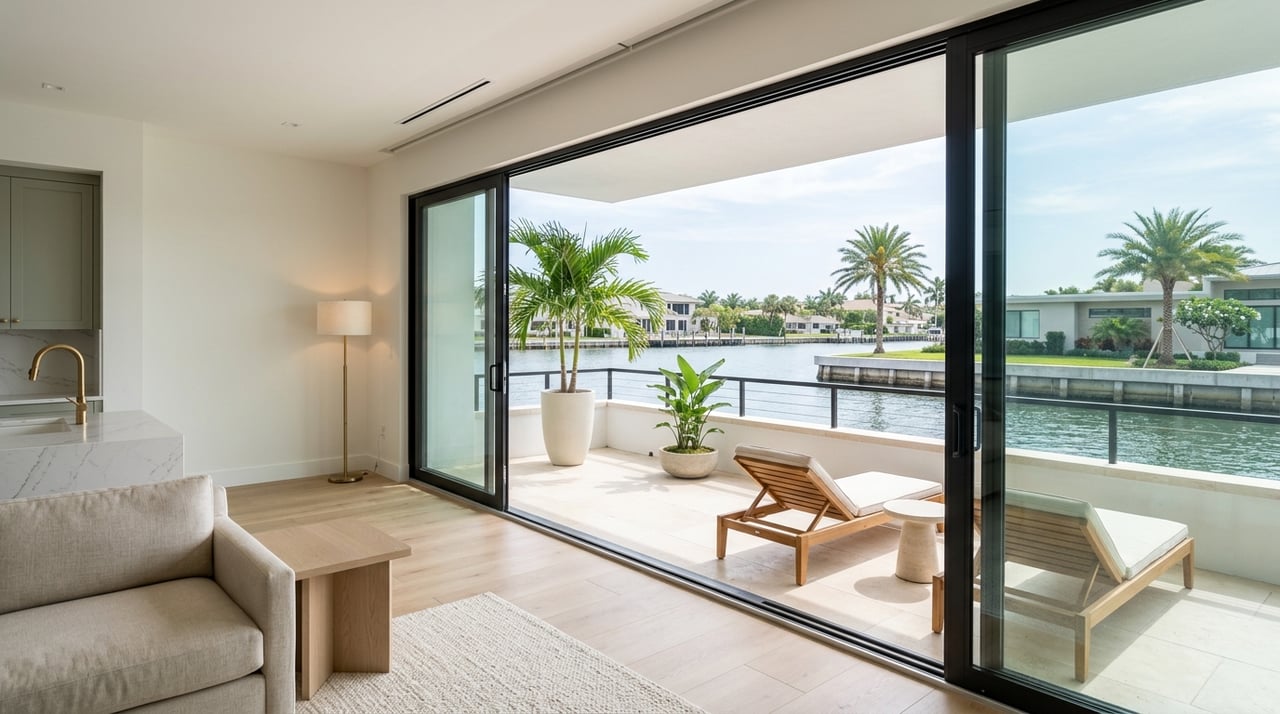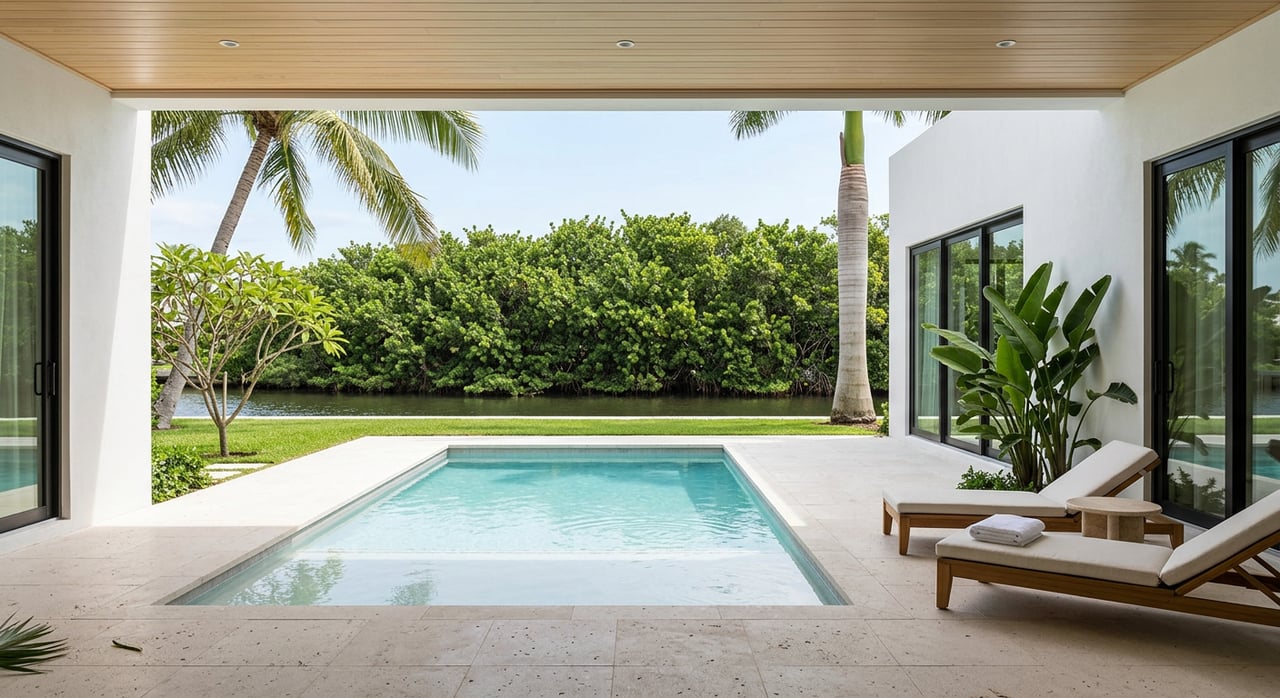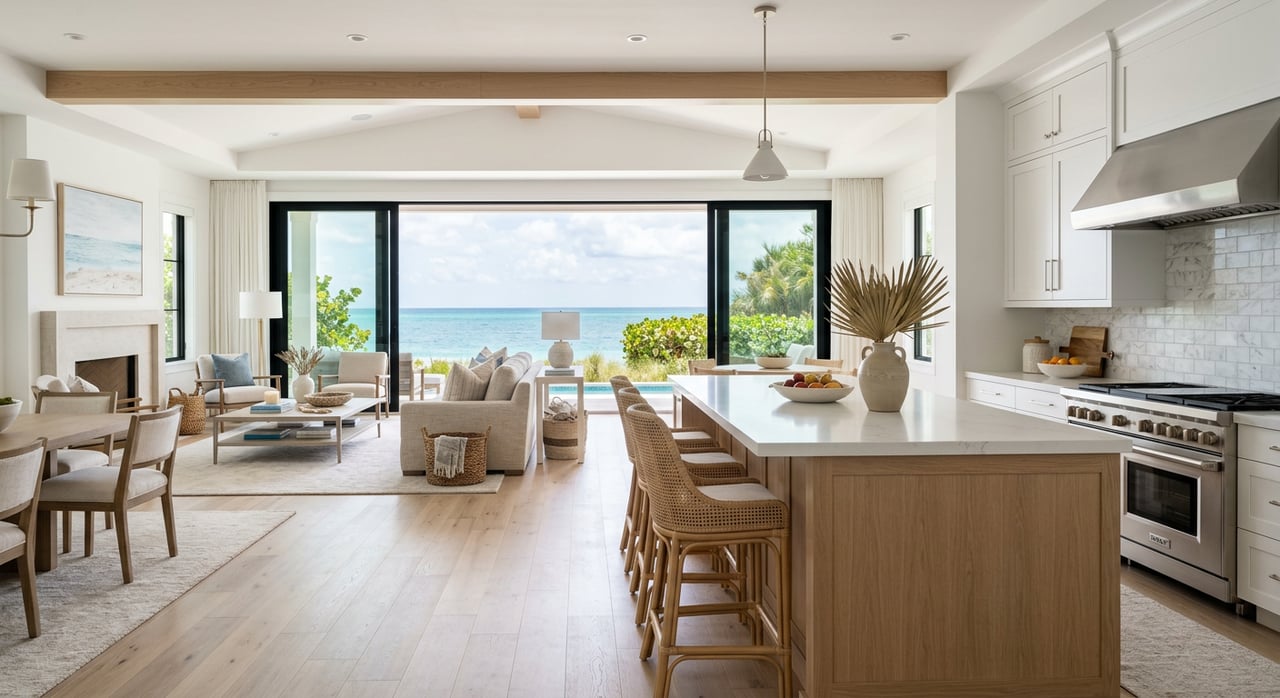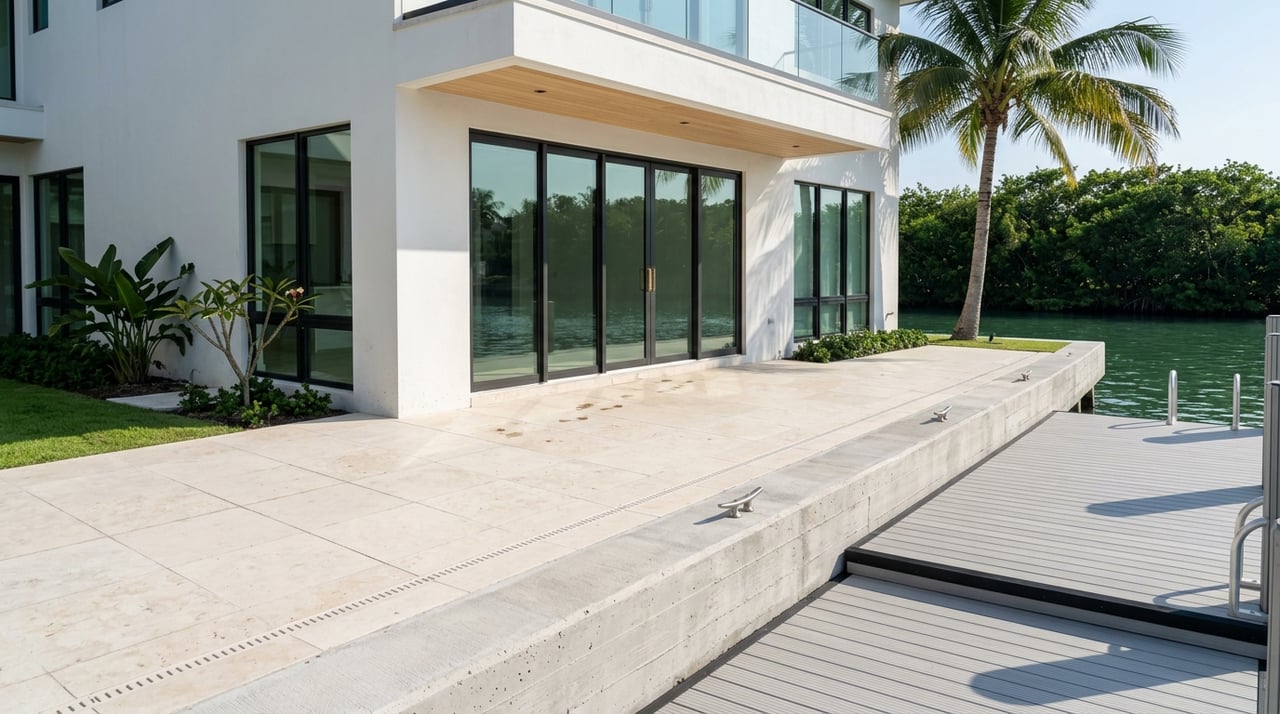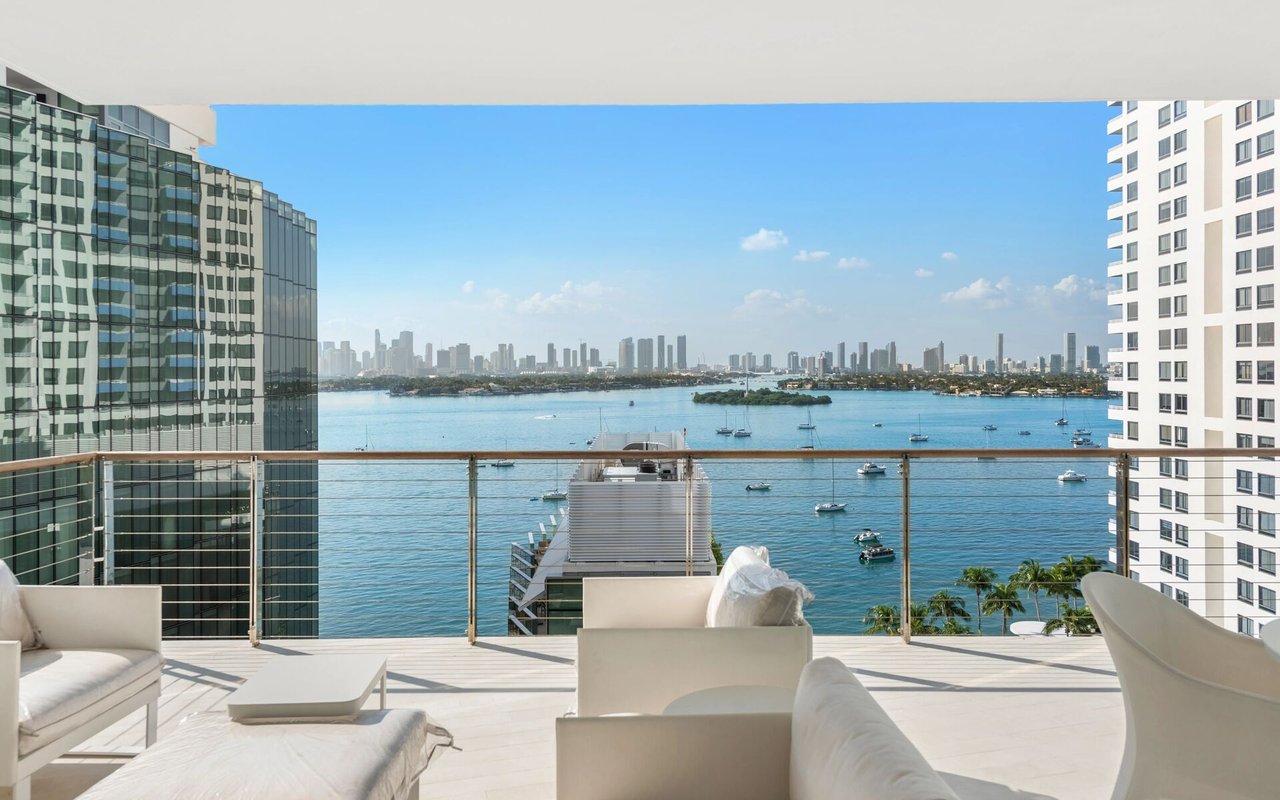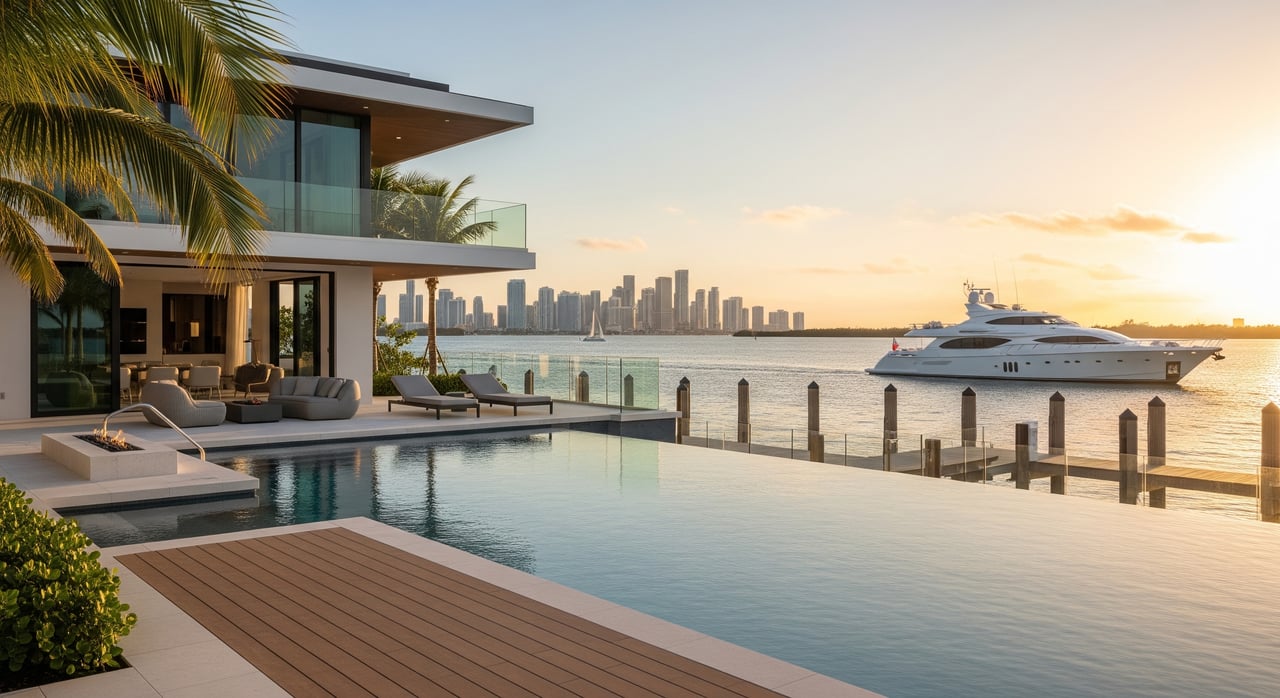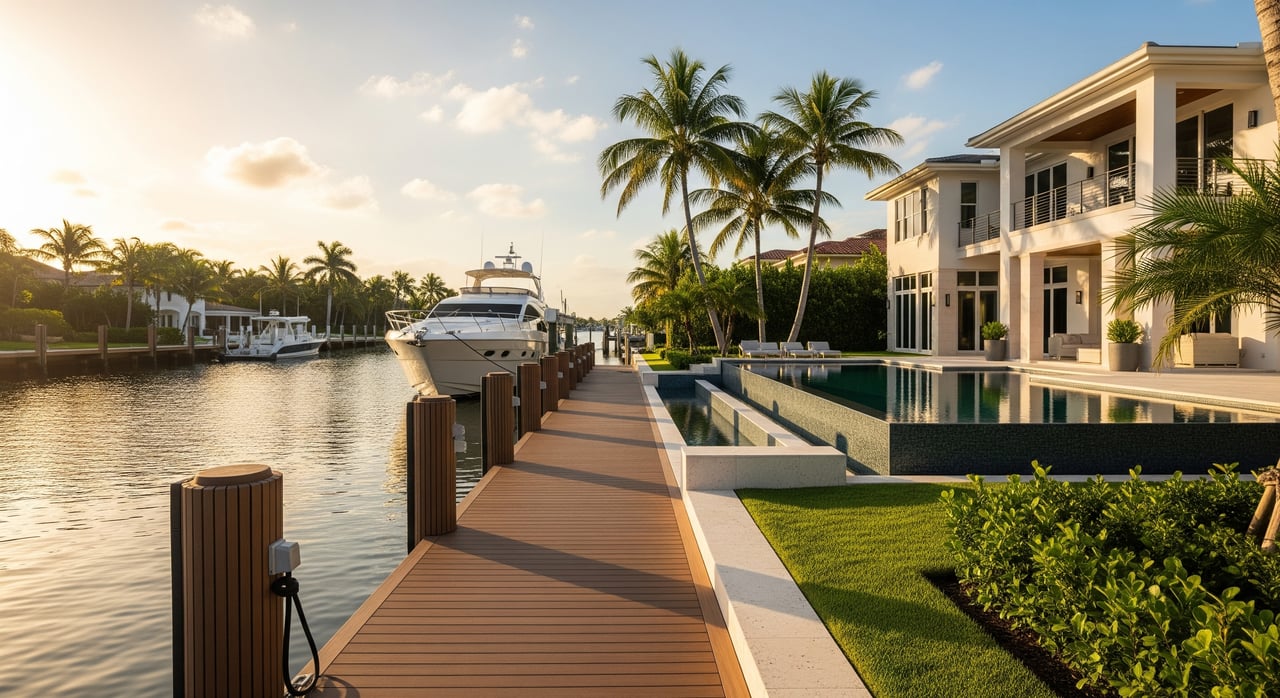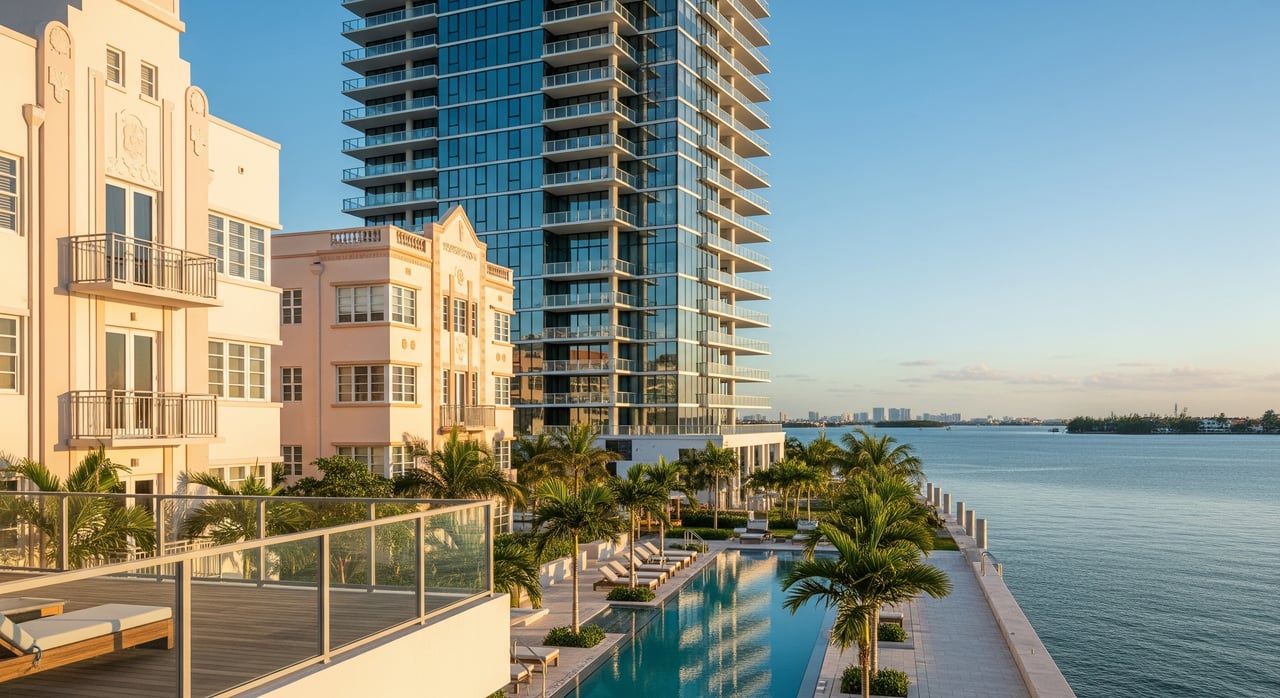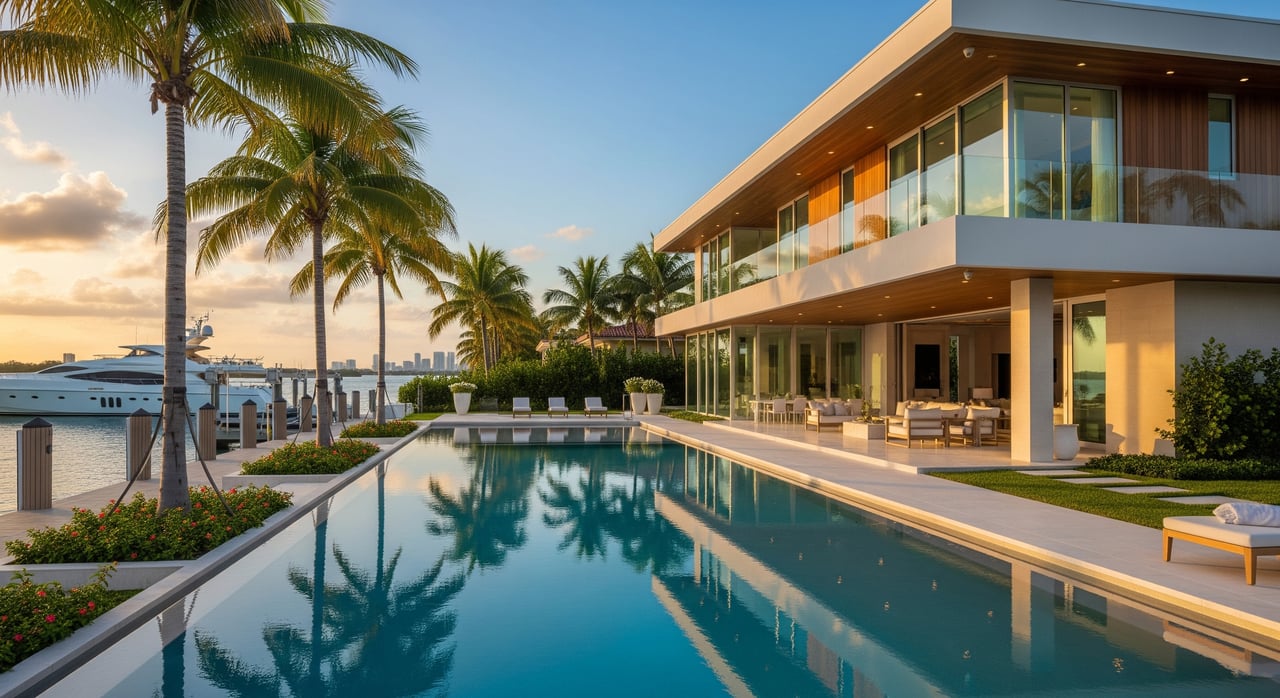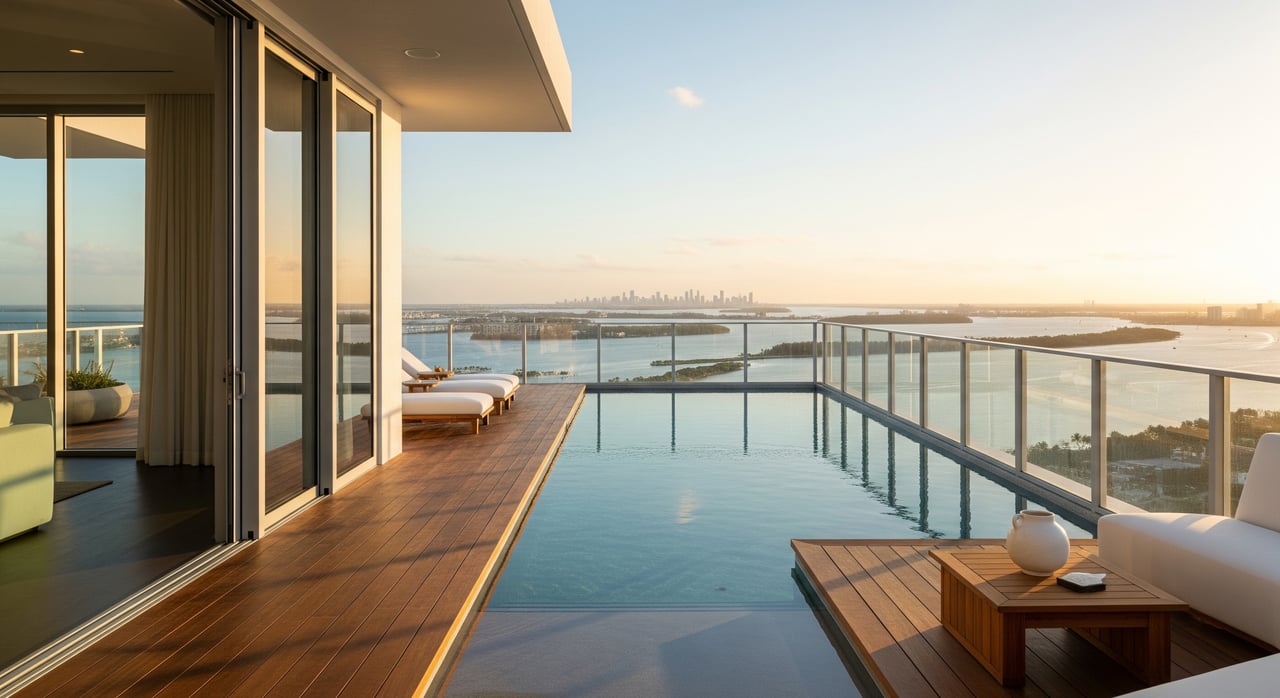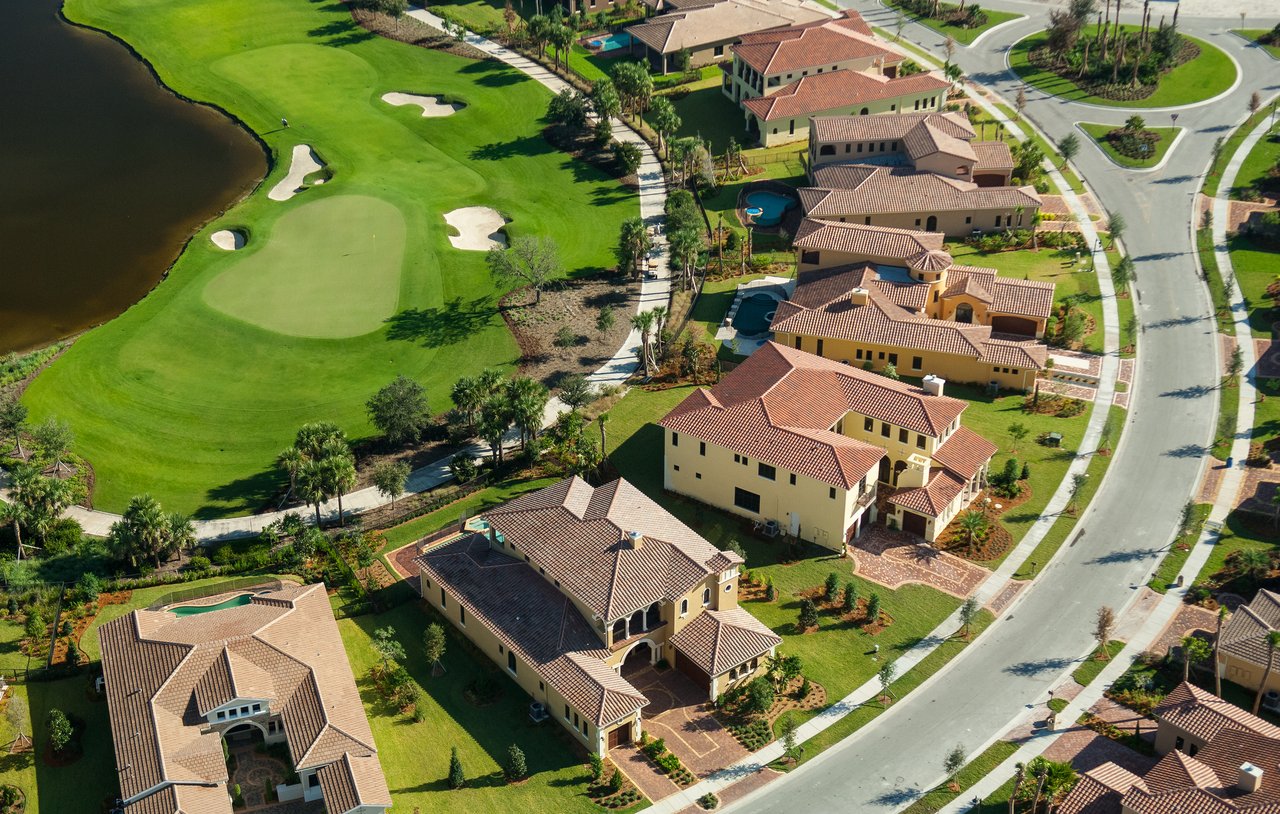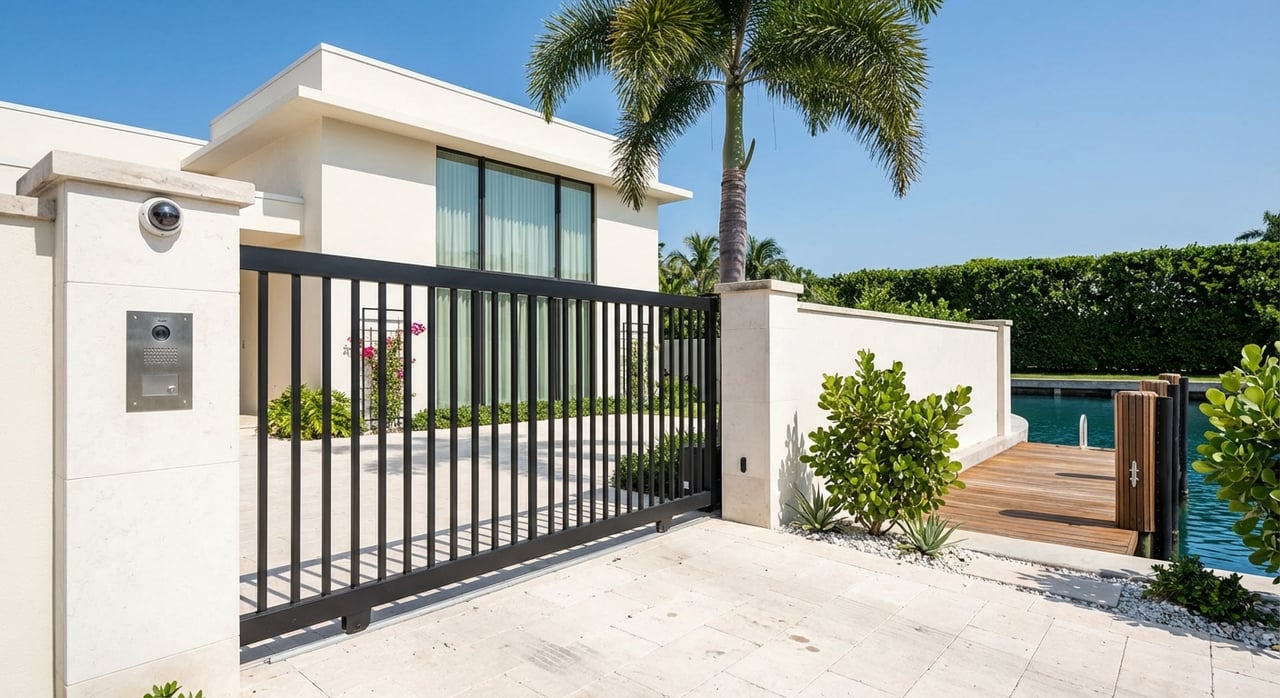
Step from your terrace to your dock, cast off, and be in the open Atlantic within minutes. If that picture fits your lifestyle, Fort Lauderdale’s gated waterfront enclaves deliver the blend of privacy, security, and yacht-ready dockage you’re looking for. Often called the Venice of America, the city’s roughly 165 miles of inland waterways and robust marina network make it a natural home base for serious boaters. In this guide, you’ll learn how the top gated communities compare, what to verify about docks and flood risk, and the key documents to request before you buy. Let’s dive in.
Why Fort Lauderdale for gated waterfront living
You get yachting convenience paired with a calm, residential setting. Deep canals, protected basins, and quick runs to Port Everglades give you ocean access without a long idle. The area supports large-vessel owners with full-service marinas and refit yards, including Bahia Mar and Pier Sixty-Six, noted in this regional marina and service directory.
You also benefit from neighborhood-level privacy. Many enclaves use staffed gatehouses, roving patrols, and electronic access to manage traffic and protect resident quiet. The result is a low-traffic environment where you can enjoy the water and still be minutes from dining, culture, and the airport.
Top gated waterfront enclaves
Harbor Beach
Harbor Beach is a guarded, gated barrier-island enclave with a private resident beach club and on-island marina-style amenities. The association highlights 24-7 gate operations and security enhancements that include refined gate screening and planned RFID entry for residents, as shared in recent Harbor Beach Association updates. Many properties offer deepwater frontage and protected basins with direct runs toward the inlet that are suitable for larger yachts, based on lot and canal specifics. Eligible owners can join the Harbor Beach Surf Club for private beach access and social facilities.
Bay Colony
Bay Colony is a small, fully gated Intracoastal enclave noted for wide, deep canals, large waterfront lots, and 24-hour manned security. Listings often promote ocean access with no fixed bridges and dockage that can accommodate substantial vessels, subject to depth at mean low water and permitted slip length. Inventory is scarce and buyers sometimes assemble adjacent parcels to create estate-scale waterfrontage.
Sunrise Key
Sunrise Key offers a private-island feel near Las Olas with waterfront lots on sheltered, deep canals. The island’s main channels typically present no fixed-bridge constraints, which supports larger private vessels and shorter ocean runs. Architectural styles range from renovated mid-century homes to contemporary estates.
The Landings
The Landings is an established gated neighborhood with a mix of mid-century, renovated, and new-construction estates. Many homes sit on wide canals with marina-style dockage and ocean access. Select routes include fixed bridges, so you should confirm the path to the inlet for any property you are considering.
Seven Isles / Las Olas Isles
Seven Isles comprises a set of finger islands just north of Las Olas Boulevard, with many homes offering private concrete docks and deepwater slips. The area features security-patrolled entry points and controlled-access elements on certain streets. Canal geometry varies by isle, so owners of larger vessels should be attentive to turning radii.
Sea Ranch Lakes
Sea Ranch Lakes is a guard-gated, incorporated village adjacent to Fort Lauderdale that functions as part of the broader waterfront market. Residents have access to a private beachfront club, and the village maintains its own police presence for a high level of privacy and order, as outlined in the Sea Ranch Lakes overview. Buyers who value both ocean and Intracoastal proximity within a tightly managed municipal setting often shortlist this option.
Boating and dockage essentials to verify
For boaters, “no fixed bridges” between your dock and the inlet is a meaningful advantage. It allows taller vessels to reach the ocean without tide timing or bridge openings. Confirm the full route from your dock to Port Everglades, including any speed zones, turning basins, and known pinch points.
Dock rights and capabilities are property-specific. Some homes convey a deeded, appurtenant slip tied to the parcel, while others rely on an association-assigned or marina-managed slip with rules or waitlists. Ask to see the recorded plat and deed language, then confirm whether slip rights run with the property or are subject to separate approval.
Fort Lauderdale’s Unified Land Development Regulations set limits on dock and mooring construction, including setbacks, the share of waterway width you can occupy, and maximum extension beyond the property line. Before you plan any new lift or dock work, review the city’s ULDR sections governing docks and mooring devices and verify permit history for the property. Also request as-built drawings, recent surveys or soundings, and any variances previously granted.
Flood, seawall, and structural realities
Broward County and FEMA have updated flood mapping in recent years, and some waterfront parcels shifted into higher-risk zones. Always check a property’s current FEMA designation, base flood elevation, and insurance implications using the county’s interactive flood resources. If available, review the Elevation Certificate and any recent city or county flood studies.
Seawalls and docks have finite lifespans and require periodic maintenance. Many concrete or vinyl systems are discussed in decades-long terms, often 30 to 50 years depending on materials and exposure. Replacement or major repair costs can vary widely, commonly in the hundreds to many hundreds of dollars per linear foot based on access, material, and permitting, per industry budgeting guidance like this seawall cost overview. Check HOA reserves for seawall or dock replacement and ask about any upcoming special assessments.
Support infrastructure for large yachts
Fort Lauderdale’s boating ecosystem is a real advantage if you run a crewed yacht or rotate between vessels. You will find fuel, pump-out, hotels, crew accommodations, and full-service yards within short runs of the city’s major marinas. Use this Southeast Florida marina and service directory to understand proximity to Bahia Mar, Pier Sixty-Six, and 17th Street facilities relative to the neighborhoods you are considering.
Quick comparison checklist
Use these measurable points to compare properties and communities side by side before you schedule tours.
- Security and privacy: Gate type and staffing, electronic access like RFID, visitor protocol, patrol frequency, and any local or village police presence. For example, Harbor Beach shares periodic security updates with residents, and Sea Ranch Lakes maintains its own police department context.
- Dock rights and capability: Deeded versus assigned slip, permitted dock length, depth at mean low water, canal width and turning radius, basin protection, lift capacity, and shore power availability. Review the city’s ULDR dock rules and request the last survey or soundings.
- Direct ocean access: Presence of fixed bridges or drawbridge schedules on the route to Port Everglades. Estimate run time from dock to inlet during normal traffic.
- HOA terms and carrying costs: Dues, recorded covenants that control docks and lifts, rental policies, reserves for seawalls and docks, recent minutes, and any planned special assessments.
- Flood, insurance, and structural risk: FEMA flood zone and base flood elevation, recent mapping changes, seawall inspection reports and repair history, and a sense of insurance premium ranges for similar properties. Start with the county’s flood map resources.
- Support infrastructure: Proximity to large-yacht marinas, haul-out and refit yards, fuel, pump-out, and quality crew lodging. See the regional marina directory to map options.
Documents to request during due diligence
Set your purchase up for success by assembling a complete file early. Ask your team to request these documents when you go under contract or sooner.
- HOA packet: Bylaws, CC&Rs, dock and boatlift rules, security policies, insurance certificates, the latest reserve study, and 12 to 24 months of meeting minutes.
- Recorded plat and deed: Confirm whether dock or slip rights are appurtenant to the property or handled by an association or marina assignment.
- Permits and as-builts: City or county permit history for seawall, dock, and lift; engineering reports and photos from any recent work. Review the city’s ULDR when planning improvements.
- Marine verification: Recent survey or contractor soundings for depth at mean low water, a turning-radius check for your vessel, dock and piling condition summary, and confirmation of permitted slip length.
- Flood documentation: FEMA zone, Elevation Certificate if available, and any recent county or city flood studies using the Broward flood resources.
How we help you buy well
You deserve a process that matches the caliber of the properties you are considering. At Ginger LuxeReal, you work directly with a founder-led advisory that pairs hospitality-level service with investment-minded guidance. We coordinate discreet tours by land or water, pressure-test HOA and dock details with the right experts, and keep your timeline and privacy priorities front and center.
If you are exploring Harbor Beach, Bay Colony, Sunrise Key, The Landings, Seven Isles, or Sea Ranch Lakes, we will help you compare the trade-offs, from security protocol to inlet run times. When it is time to act, our buyer representation, market analysis, and negotiation ensure you purchase with confidence. Ready to talk through a short list and plan a private tour? Connect with Ginger Coutain to Schedule a Private Consultation.
FAQs
What defines a “no fixed bridge” route in Fort Lauderdale?
- A no fixed bridge route means your path from dock to Port Everglades does not pass under bridges with set vertical clearances, so you avoid height limits and timing bridge openings. Always confirm the specific route and clearances for your vessel.
How secure are gated waterfront communities in Fort Lauderdale?
- Many enclaves use staffed gatehouses, roving patrols, and electronic access, and in some cases a village-level police presence as in Sea Ranch Lakes. Ask each HOA about visitor protocols, contractor hours, and entry logs.
What should I budget for seawall or dock work on a waterfront home?
- Lifespans are often measured in decades, and replacement or major repairs can run from hundreds to many hundreds of dollars per linear foot depending on access, materials, and permits, per this seawall cost guide. Get bids and review permit history before closing.
How does Harbor Beach’s private beach club membership work?
- Membership in the resident Harbor Beach Surf Club is available to eligible owners, with terms and fees set by the association. Confirm current initiation and monthly charges, plus any rules, in the HOA documents for your property.
Where can I find nearby marinas for transient dockage and service?
- Bahia Mar, Pier Sixty-Six, and 17th Street facilities are local hubs for fuel, slips, and refit. Use the Southeast Florida marina directory to identify options close to your target neighborhood.