Timing shapes outcomes in Miami luxury real estate. If you are weighing a waterfront purchase or preparing to list a trophy property, understanding when buyers show up, how cash influences offers, and where new supply is landing can sharpen your strategy. You want confidence that you are acting at the right moment and protecting your lifestyle and capital. This guide breaks down Miami’s seasonal rhythm, buyer flows, and the practical steps that help you win. Let’s dive in.
Miami luxury seasonality
Miami’s luxury market follows a clear calendar. The rhythm reflects weather, tourism patterns, international travel windows, cultural events, and tax and school calendars.
High season: November to April
During high season you see more buyers on the ground, more showings, and faster decision cycles. International activity rises as visitors from Latin America, Europe, Canada, and other regions arrive for the winter months. Listing during this window often means a deeper buyer pool, shorter marketing periods, and stronger pricing with fewer concessions. Signature events add visibility. Art Basel in early December, the Miami Boat Show, and the Miami Open concentrate affluent visitors and can spark selective, high-value deals.
Low season: June to September
Summer and the heart of hurricane season bring softer foot traffic. Buyers willing to engage in this period often find more negotiability on price and terms. You may see better chances for credits, favorable contingencies, or extended timelines. Some motivated sellers choose summer to stand out, so prepared buyers can uncover value.
Transitional months: May and September to October
May and the early fall months can be uneven. In September and October, hurricane concerns can delay travel and push some buyers to wait until late fall. On the other hand, fresh listings arriving ahead of high season can overlap with early returnees in October and November. If you are timing a list launch or a scouting trip, these months can reward careful planning.
Buyer mix and cash dynamics
Miami attracts a diverse luxury buyer base. Understanding who is active and how they pay helps you plan negotiations and timelines.
International waves
Latin America has long provided a large share of international luxury demand, with buyers from Venezuela, Colombia, Brazil, Mexico, and Argentina moving capital into hard assets. Canada and Europe contribute both seasonal and longer-term relocators. These waves can be volatile. Exchange rates, travel rules, and political or economic events abroad can shift activity quickly.
Domestic relocations
Since 2020, more buyers have arrived from high-tax states such as New York and California. They are attracted to Miami’s climate, lifestyle amenities, and Florida’s lack of a state income tax. Many target neighborhoods with luxury condos, marinas, and private services, including Miami Beach, South of Fifth, South Beach, Sunny Isles, Brickell, Edgewater, Coconut Grove, Coral Gables, and Key Biscayne.
Cash share and its impact
Cash is common at the top of the market. All-cash purchases and large down payments are routine for luxury condos and waterfront single-family homes. This lowers sensitivity to mortgage rate swings and lets cash buyers close faster, which sellers value. If you are financing, you can still compete by tightening timelines, confirming underwriting early, and presenting strong documentation.
Inventory and new development
Inventory in Miami’s luxury segment changes quickly. New development schedules, resale releases, and waterfront scarcity all play a role.
Supply cycles and developer timing
Tight inventory can spark bidding and lift prices. When large luxury condo projects deliver in clusters, you can see a temporary increase in available units, especially in corridors like Edgewater, Brickell, Sunny Isles, and Miami Beach. Developers often stagger closings and resale releases to avoid saturating the market. Understanding a project’s delivery calendar can help you decide when to buy or list.
Condos vs single-family dynamics
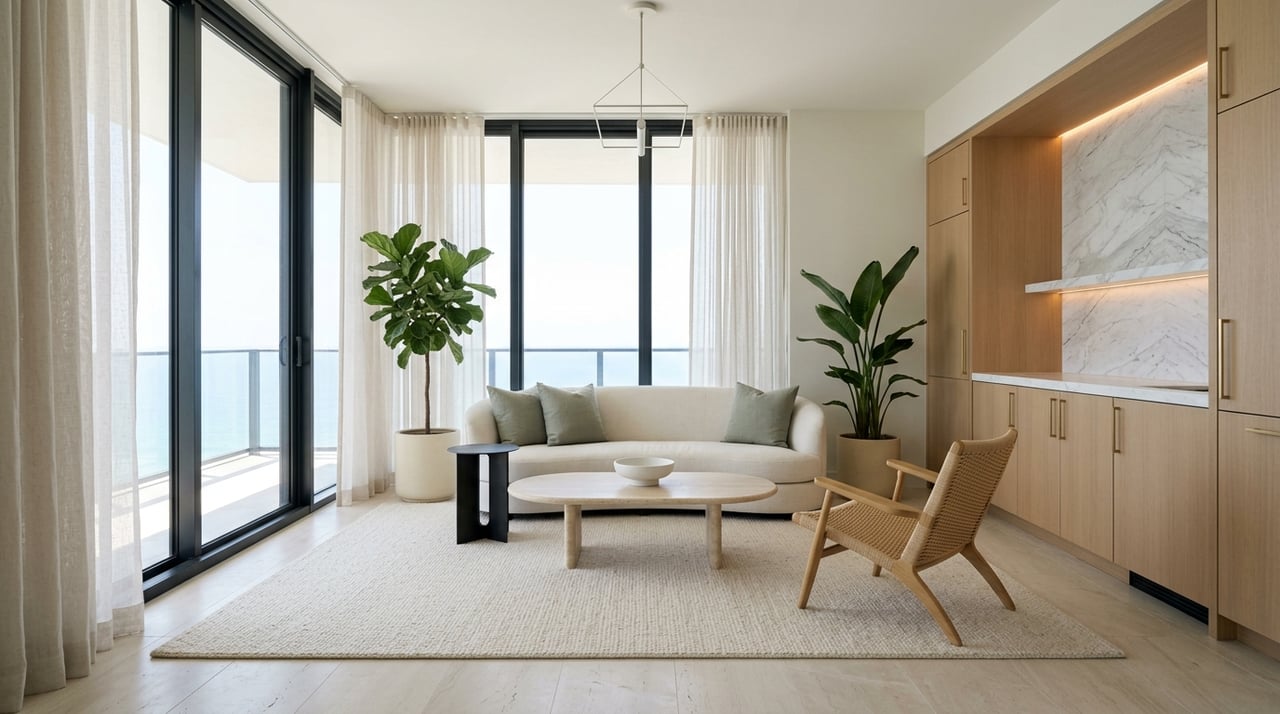
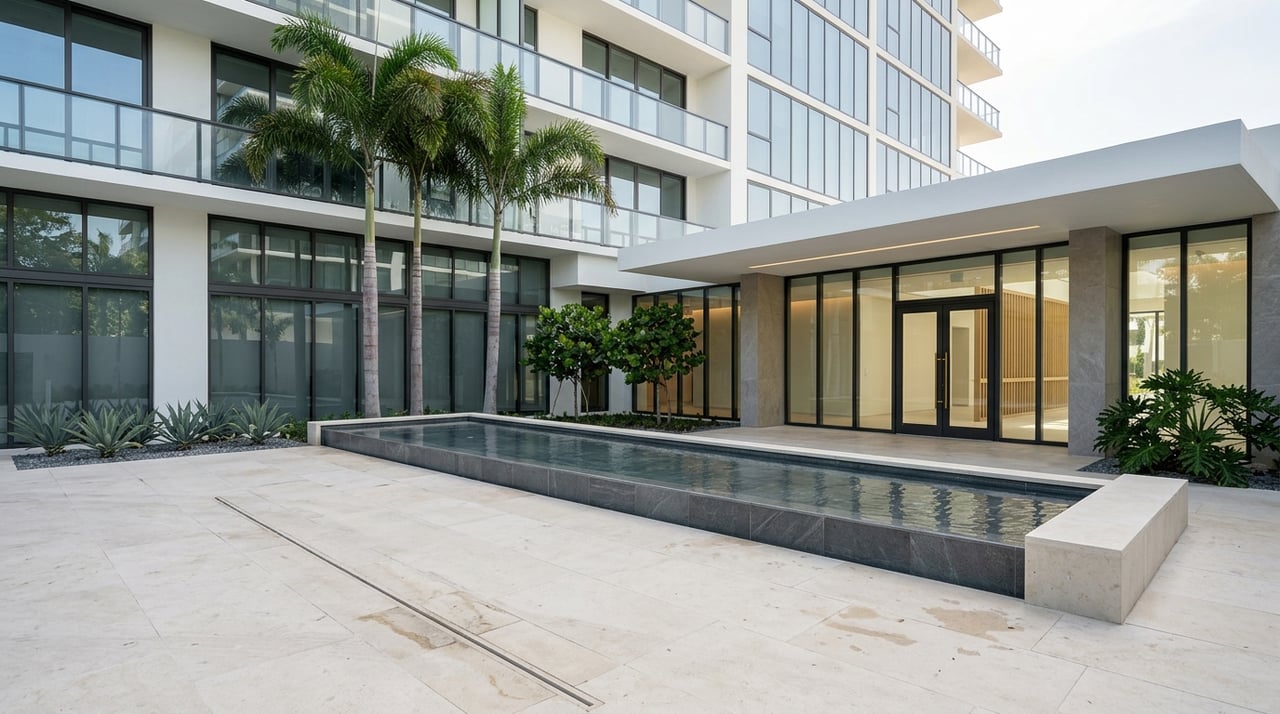
Luxury condos dominate in urban waterfront zones. They appeal to buyers who want amenities and a lock-and-leave lifestyle. Supply here is sensitive to new completions and financing conditions for projects. Waterfront single-family homes are scarce and highly site-specific. Pricing hinges on lot size, open-water exposure, dock access, and elevation. Post-pandemic preferences increased interest in single-family options for space and privacy.
Waterfront due diligence: what moves value
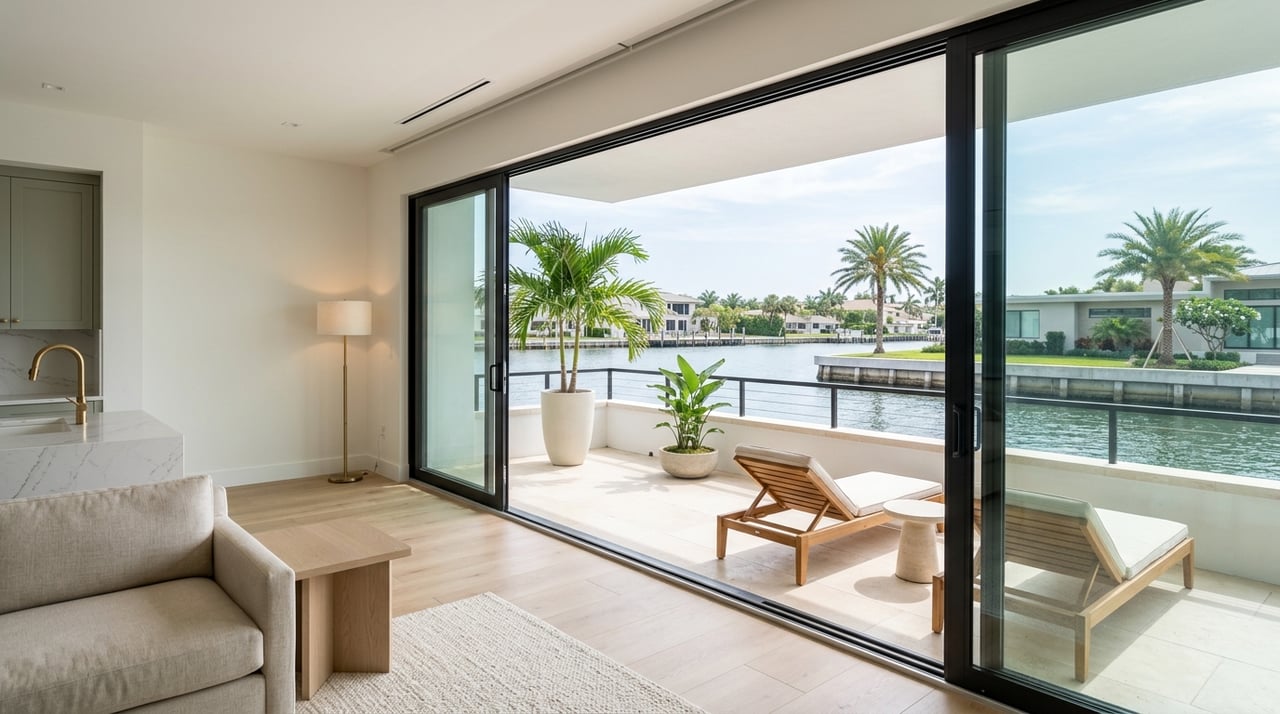
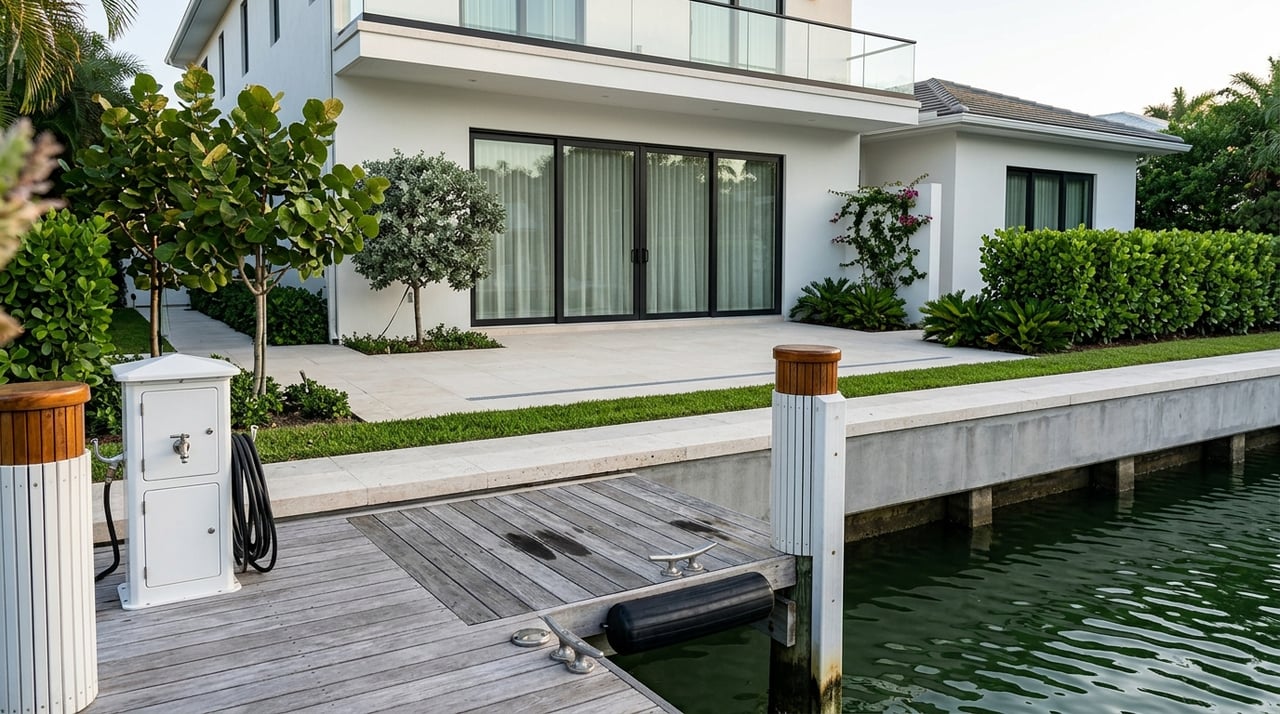
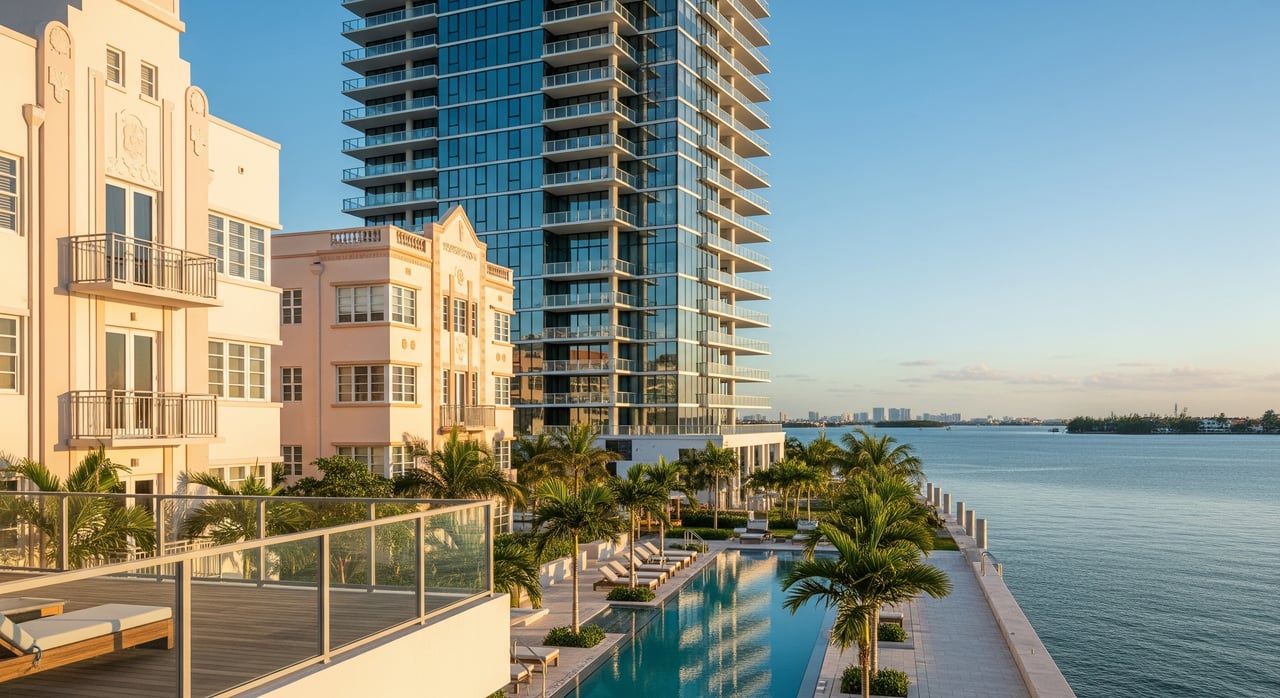
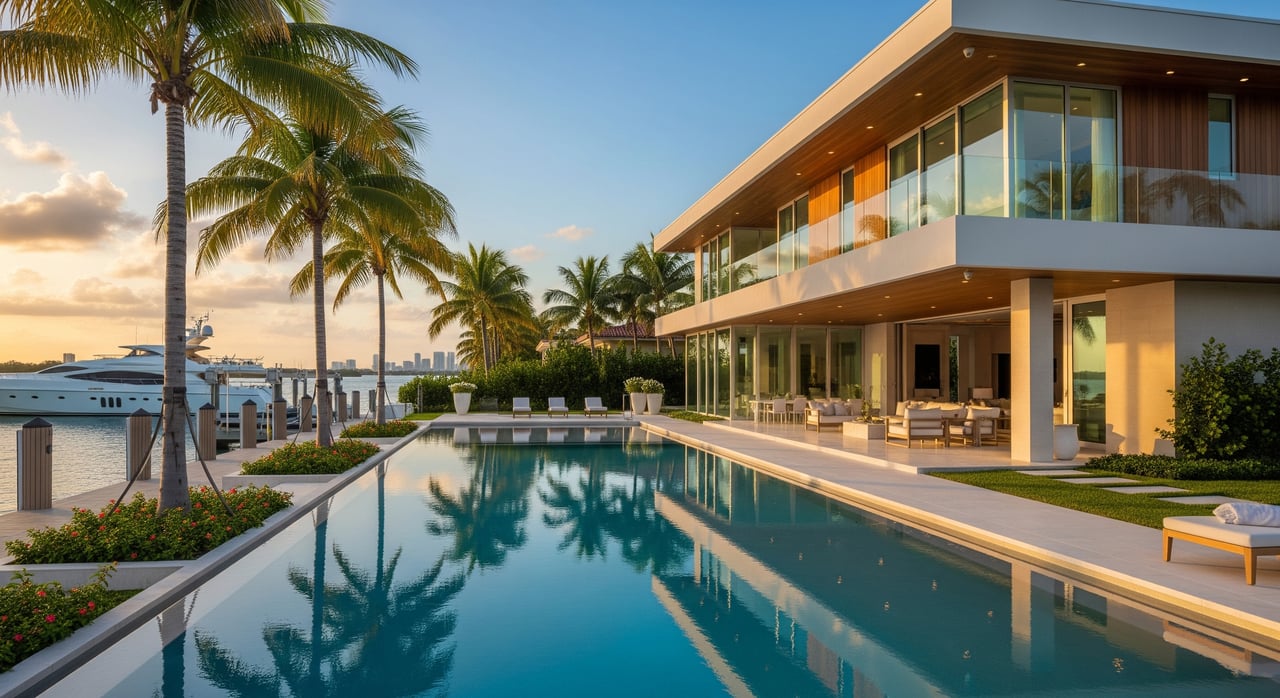
Waterfront property requires specialized review. Elevation and FEMA flood zones influence pricing and future resale. Insurance availability and premiums for wind and flood matter for carrying costs and lender requirements. Sea-level resilience and existing mitigation, such as engineered seawalls or higher finished-floor elevations, are part of buyer and lender underwriting. For boaters, dockage details, marina capacity, and permitting rules can affect timelines and costs.
Financing and regulatory considerations
Lender requirements for condo projects can tighten after macro shocks. Expect scrutiny of building financials, reserves, and owner-occupancy ratios. For cross-border transactions, planning for U.S. tax IDs, title insurance, and reporting rules is wise. Foreign sellers should be aware of potential FIRPTA implications. Consult appropriate tax and legal advisors for your situation.
Timing and negotiation strategies
Your approach should reflect the season, the product type, and your goals. Small adjustments to timing and terms can shift outcomes.
For sellers
- Target the high-visibility window. Listing in October through December or January through March aligns with the deepest buyer pool and seasonal events.
- Prepare earlier for waterfront. Pre-market previews for qualified buyers, high-quality video and drone, and proactive disclosures on elevation and insurance can reduce friction and signal value.
- If inventory is competitive, consider price positioning before high season. Entering at the right level prevents quick buyer fatigue and maximizes early momentum.
For buyers
- Use the off-season to negotiate. Summer and early fall often bring more flexibility on price, credits for upgrades, or extended contingencies.
- Be fast and complete in high season. Cash or a rock-solid pre-approval, shorter inspection windows, and a clear timeline help you stand out.
- Budget extra time for waterfront diligence. Marine surveys, dock permits, insurance quotes, and elevation checks can extend timelines. Start them early so you are not rushed.
What to expect in negotiations
During high season, multiple offers and fewer seller concessions are common. Escalation language and shorter inspection periods may appear. In low season, sellers are more open to repair credits, longer closings, or other buyer-friendly terms. International deals can add currency movement, KYC documentation, and wire timing to the checklist, which may lengthen closings.
Key metrics to watch
You do not need dozens of charts to make a smart decision. Focus on a small set of leading indicators and refresh them before you act.
- Median or average sale price for the luxury tier you care about.
- Number of luxury closings by month to gauge seasonal cadence.
- Months’ supply and active luxury inventory to sense leverage.
- Days on market for comparable listings.
- Share of cash transactions in your price band.
- New development absorption and upcoming deliveries by neighborhood.
- Price per square foot trends for waterfront versus non-waterfront.
- Insurance and flood premium trends where available.
- International buyer mix by region to understand demand waves.
Neighborhood considerations
Different micro-markets serve different priorities. Match your search or listing plan to the lifestyle and product mix.
- Miami Beach and South of Fifth. Concentrations of luxury condos, marina access, walkable dining, and oceanfront views.
- Sunny Isles and Bal Harbour. High-rise waterfront towers with full-service amenities and beach access.
- Brickell and Edgewater. Urban waterfront living with new development pipelines and proximity to business and arts districts.
- Coconut Grove and Coral Gables. Established neighborhoods with lush streetscapes, bay access, and a mix of single-family homes and boutique condos.
- Key Biscayne and Fisher Island. Island settings offering privacy, marina facilities, and resort-style amenities.
If you are selling, tailor marketing to the neighborhood’s buyer profile and amenity set. If you are buying, clarify whether marina proximity, privacy, or walkability drives your choice. The clearer your criteria, the cleaner your short list.
How a strategic advisor helps
A boutique, founder-led approach brings both hospitality and discipline to complex luxury transactions. You should expect:
- Concierge buyer and seller representation. Founder-level attention, responsive communication, and a process built around your timelines and privacy needs.
- Institutional-grade marketing. Staging, video, and polished listing pages designed to capture high-season attention and convert qualified buyers.
- Valuation and market analysis. Data-informed pricing and offer guidance tied to the latest months’ supply, absorption, and new delivery calendars.
- Cross-border and portfolio support. Coordination with tax and legal advisors, insight on currency timing, and portfolio-minded acquisition or disposition planning.
- Waterfront diligence. Early coordination on insurance quotes, elevation review, seawall condition, and marina or dock permitting.
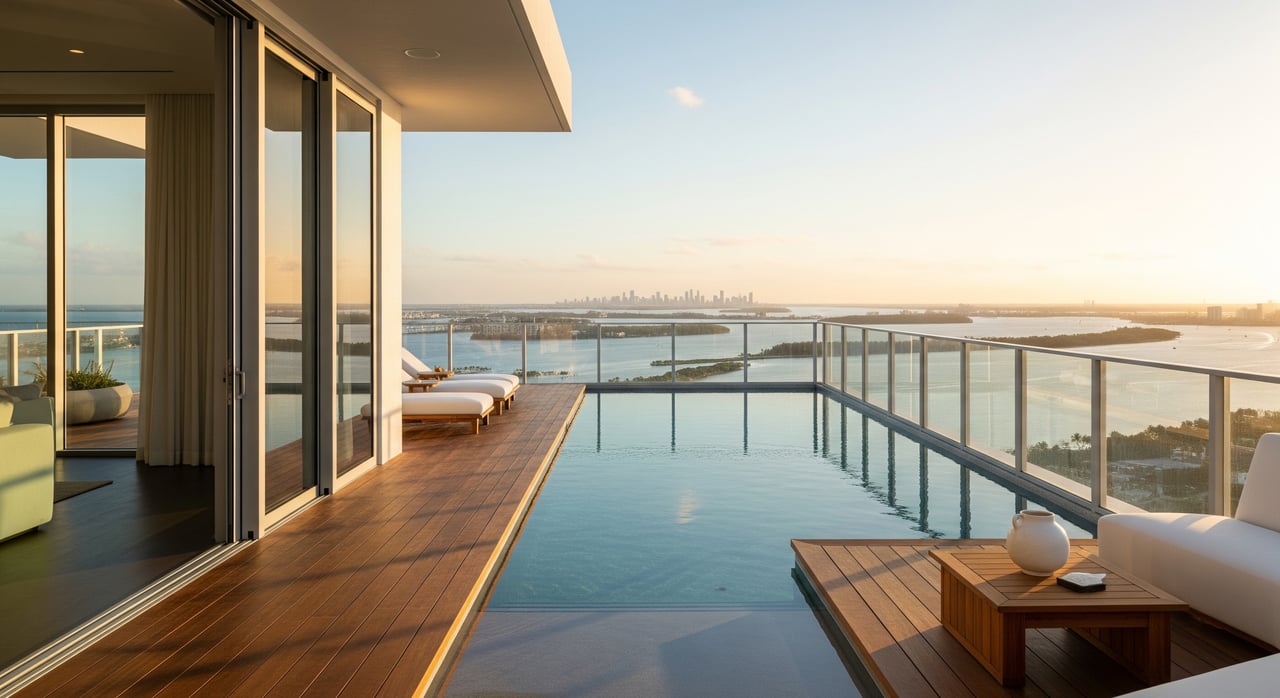
Whether you are targeting a bayfront estate or a lock-and-leave penthouse, alignment on timing, product, and process protects both your lifestyle and your long-term return.
Ready to move with confidence in Miami’s luxury market? Connect directly with founder and trusted advisor Ginger Coutain to schedule a Private Consultation.
FAQs
When is the best time to buy a Miami luxury home?
- Summer and early fall often offer more leverage on price and terms, while high season brings more competition and faster timelines.
Does Art Basel meaningfully impact sales?
- It concentrates ultra-high-net-worth visitors in early December, which can create selective, high-value opportunities, but the effect is short-lived and targeted.
How do cash buyers affect negotiations in Miami?
- Cash shortens timelines and reduces risk for sellers, so cash offers often win; financed buyers should tighten contingencies and present strong documentation.
How does hurricane season impact closings and inspections?
- Storm timing can disrupt travel, insurance binding, and scheduling, so build buffers into contracts and start insurance and inspection steps early.
What due diligence is unique to waterfront properties?
- Elevation, FEMA flood zones, wind and flood insurance quotes, seawall condition, marine surveys, and dock permitting all warrant early review.
How do international buyers influence pricing and timing?
- Global currency moves, travel rules, and events abroad can shift demand quickly, which changes competition levels in certain neighborhoods and price bands.
What metrics should I track before listing or offering?
- Focus on months’ supply, active luxury inventory, days on market, cash share, and upcoming new development deliveries in your target micro-market.