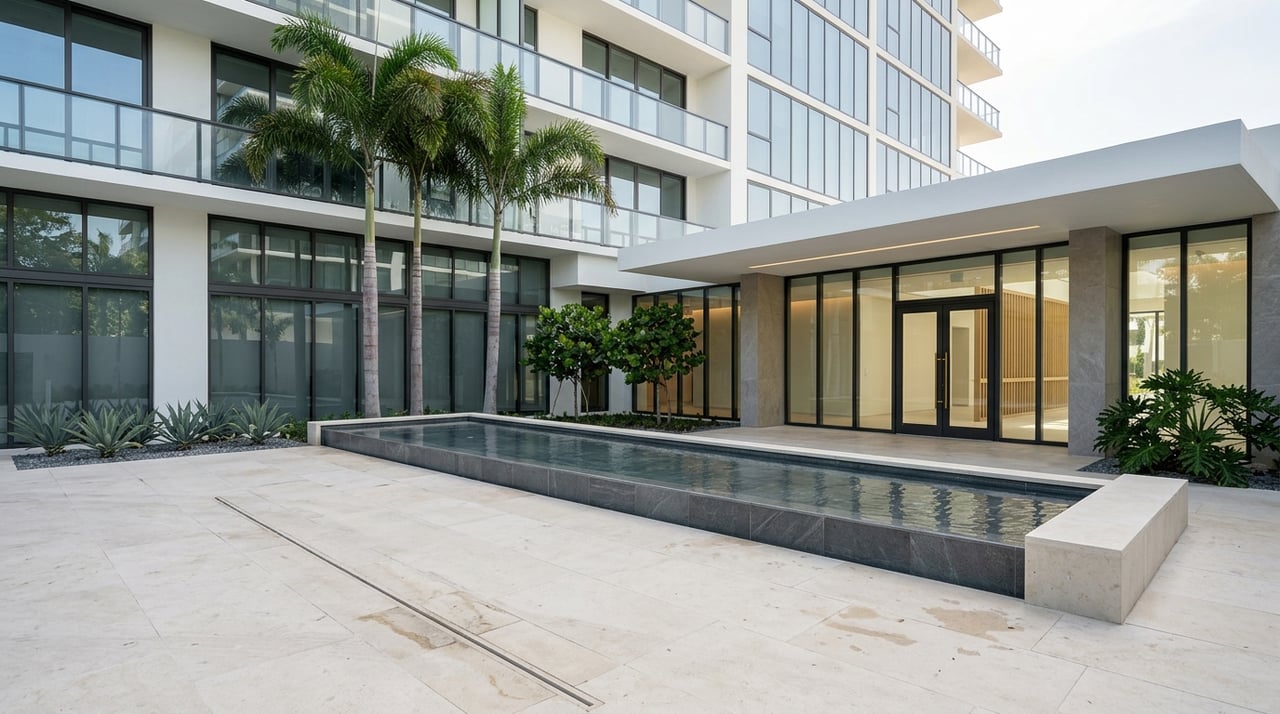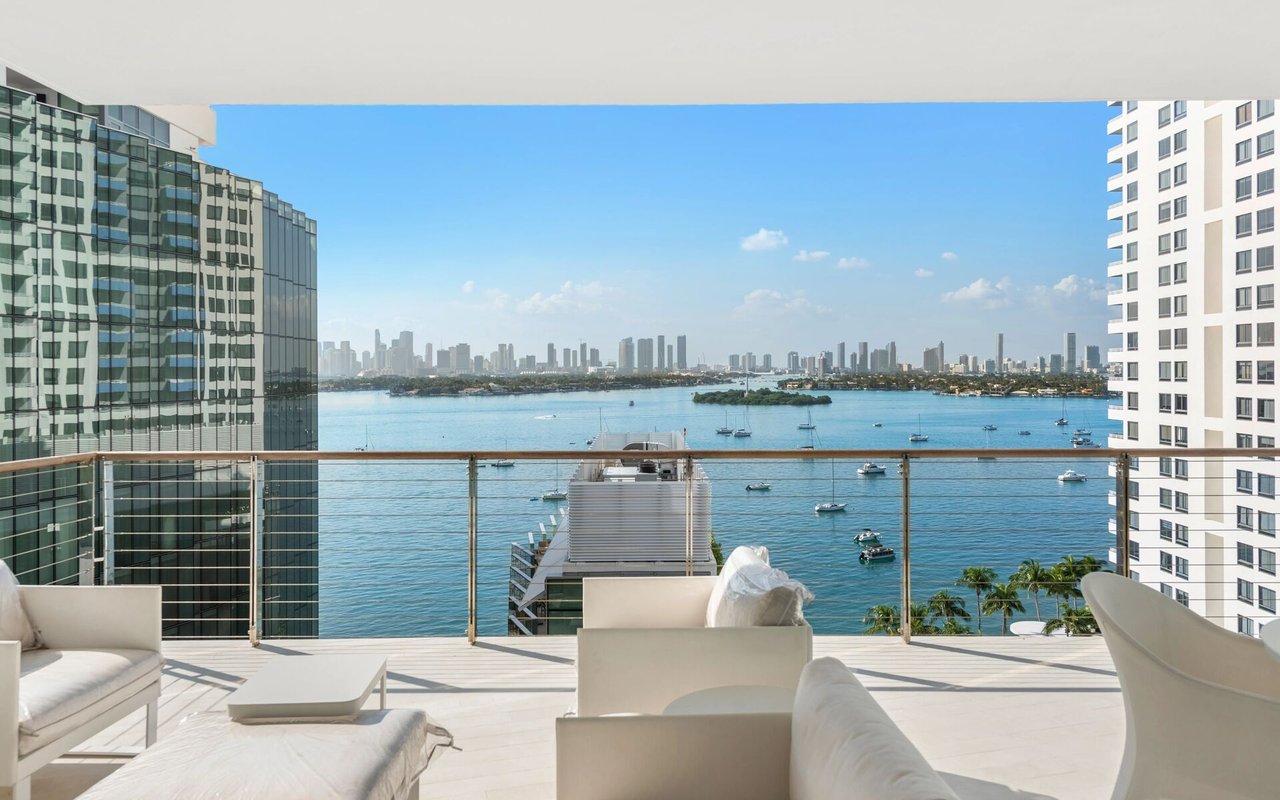
What if downsizing in Miami did not feel like giving something up at all? For many luxury homeowners, moving into a condo is less about shrinking your life and more about simplifying it, especially if you want a home that travels well with you. If you are considering a lock-and-leave lifestyle in Miami, this guide will help you understand what really matters, from amenities and building operations to inspections, reserves, and rental rules. Let’s dive in.
Why Miami Condo Downsizing Appeals
In Miami, downsizing to a condo often means trading a maintenance-heavy property for a building-managed lifestyle. That shift can be especially appealing if you split time between homes, travel often, or want more predictability in your day-to-day ownership experience.
The real value is not just inside the unit. In Miami, the building itself is part of the purchase decision because association governance, inspection history, and reserve planning can directly shape your costs, convenience, and peace of mind.
For many buyers, this makes condo downsizing both a lifestyle move and a wealth-planning decision. You may gain ease and flexibility, but you also need to account for HOA dues, reserve funding, and the possibility of assessments tied to building work.
What Lock-And-Leave Luxury Really Means
A true lock-and-leave condo should make your life easier when you are in town and when you are away. In practice, that often means looking beyond finishes and views to the features that reduce friction.
Some of the most useful luxury features for a travel-friendly lifestyle include:
- Concierge service
- Valet or secure parking
- Controlled access
- Package handling
- Storage options
- Clear guest procedures
- Low-maintenance living supported by building staff
These features are not legal requirements, but they often define whether a luxury condo actually feels effortless to own. If your goal is convenience, the building’s day-to-day systems matter just as much as the residence itself.
Why Building Due Diligence Matters
In Miami, condo buying requires careful review of the building, not just the unit. Florida resale rules require sellers to provide key documents, and those materials are more than a courtesy because they can affect the validity of the contract before closing.
For a resale condo purchase, the seller must provide the declaration, articles, bylaws, rules, the most recent annual financial statement, the annual budget, and the FAQ document. If applicable, the buyer must also receive the inspector-prepared milestone summary, turnover inspection report, and the most recent Structural Integrity Reserve Study, or SIRS.
This document package can tell you a great deal about how the building is run. It can also reveal issues that may affect future costs, maintenance planning, or your comfort with the building’s long-term condition.
Records to Review Before You Buy
When you are evaluating a Miami condo, some records deserve close attention. They can help you understand whether the association appears transparent, financially disciplined, and current on required oversight.
Key items to review include:
- The latest annual financial report
- The current annual budget
- Board minutes
- Inspection reports
- The most recent SIRS, if applicable
- Open permits
- Contracts and bids, when available
- Building rules and rental restrictions
Florida also allows unit owners to inspect official records within 10 working days of a proper written request. In addition, associations managing 25 or more units must post a broad list of records online by January 1, 2026, including governing documents, budgets, minutes, contracts, bids, inspection reports, permits, and the latest SIRS.
Smart Questions to Ask the Building
A polished lobby does not tell you everything you need to know. Asking focused questions can help you spot risk early and compare buildings more clearly.
Consider asking:
- Has the building completed its milestone inspection?
- Is there a current SIRS?
- Are any reserve items underfunded?
- Are there open permits or recurring repairs?
- Do board minutes show unresolved maintenance patterns?
These are practical questions for any buyer, but they are especially important in older or coastal buildings where inspection and reserve planning can strongly influence ownership costs.
How SIRS And Reserve Rules Affect Costs
For many Miami condo buyers, SIRS is one of the most important building documents. Florida requires a SIRS at least every 10 years for residential condominium buildings that are three habitable stories or higher.
The study is a reserve-planning tool that covers major components such as the roof, structure, fireproofing and fire protection systems, plumbing, electrical systems, waterproofing and exterior painting, windows and exterior doors, and any other deferred-maintenance item over $25,000 that negatively affects those systems. It must be performed or verified by a licensed engineer, architect, or qualified reserve specialist or analyst.
Reserve funding rules have also become stricter. For budgets adopted on or after December 31, 2024, associations subject to SIRS may not waive or underfund the required reserves for those covered items or use that money for other purposes.
That does not mean every building must be fully funded immediately. It does mean there must be a funding plan tied to useful life and replacement timing, which makes the reserve strategy a critical part of your purchase analysis.
Milestone Inspections And Miami-Dade Recertification
SIRS is not the same as a milestone inspection. Florida generally requires milestone inspections for buildings that are three habitable stories or more, typically at 30 years and every 10 years after that, with a possible 25-year trigger where local conditions such as proximity to salt water justify it.
Miami-Dade adds another layer through its recertification system. In the county, buildings generally become subject at 30 years inland or 25 years coastal, and then every 10 years after that, with a 90-day report deadline after notice.
If the owner does not complete the process on time, the matter may be referred to the Unsafe Structures Section. Because Miami-Dade includes 35 municipalities, you should confirm the exact rules that apply to the specific building and jurisdiction rather than assuming one standard applies everywhere.
Rental Rules Can Change The Equation
If you travel often or plan to rent the condo at certain times of year, rental policy may be one of the biggest decision points. You should never assume a condo is rentable in the way you want simply because it is located in a luxury building.
In unincorporated Miami-Dade, a short-term vacation rental is generally defined as a dwelling rented to a transient occupant for less than 30 days or one calendar month, whichever is less. Operators must comply with state licensing, Department of Revenue registration, a Tourist Tax Account, and any required local business tax receipt.
If the property is inside a municipality, local rules also matter. Miami Beach is notably more restrictive, with vacation and short-term rentals prohibited in all single-family homes and in many multifamily buildings in certain zoning districts.
Where short-term rentals are allowed in Miami Beach, the property must have a Business Tax Receipt and Resort Tax account, and the required numbers must appear in every advertisement or listing. The practical takeaway is simple: review the declaration, house rules, zoning, and city or county rules for the exact property.
How To Think About The Financial Side
A Miami condo can simplify ownership, but simplified living does not always mean simpler math. Downsizing may unlock equity and improve liquidity, yet your total carrying costs should still be reviewed carefully.
As you compare options, pay attention to:
- HOA dues
- Required reserve funding
- Potential special assessments
- Building repair history
- Inspection status
- Future capital needs suggested by reports or board records
For affluent buyers, this move often works best when it is treated as part of a broader planning conversation. If you are downsizing from a larger property, it can be helpful to weigh the condo purchase alongside your tax, estate, and lending strategy.
What To Prioritize In A Miami Luxury Condo
The strongest lock-and-leave condo choice is usually not the one with the biggest amenity list. It is the one that combines ease of use with building transparency, financial discipline, and rules that match how you actually plan to live.
As you narrow your search, focus on whether the building supports a low-friction lifestyle. That means the association records are available, the required inspections are current, reserve planning appears responsible, and the rental rules align with your expectations.
In a market like Miami, that kind of due diligence is not separate from luxury. It is part of luxury, because confidence, convenience, and clarity are what make a second home or downsized residence truly feel effortless.
If you are thinking about a move that gives you more freedom without losing the lifestyle you value, a thoughtful condo strategy can make all the difference. For a private, concierge-style conversation about Miami luxury condo options and how they fit your long-term goals, connect with Ginger Coutain.
FAQs
What documents should a Miami condo seller provide in a resale transaction?
- In a Florida resale condo transaction, the seller must provide the declaration, articles, bylaws, rules, the most recent annual financial statement, the annual budget, and the FAQ document, plus the milestone summary, turnover inspection report, and latest SIRS if applicable.
What is a SIRS for a Miami condo building?
- A Structural Integrity Reserve Study is a reserve-planning study required at least every 10 years for many residential condominium buildings that are three habitable stories or higher, covering key building components such as structure, roof, plumbing, electrical systems, waterproofing, windows, and more.
What is the difference between a SIRS and a milestone inspection in Florida condos?
- A SIRS is a reserve-planning tool tied to budgeting for major building components, while a milestone inspection is a separate structural safety inspection required for many buildings that are three habitable stories or more.
Can you short-term rent a Miami condo?
- You can only short-term rent a Miami condo if the building rules, zoning, and the applicable city or county regulations allow it, and those rules can vary significantly by municipality and building.
What condo records can you inspect before buying in Florida?
- Official records can be requested, and many larger associations must also post key records online by January 1, 2026, including governing documents, budgets, board minutes, contracts, bids, inspection reports, permits, and the latest SIRS.
Why do Miami-Dade recertification rules matter when buying a condo?
- Miami-Dade recertification rules matter because they can affect older or coastal buildings through required reporting timelines, repair obligations, and overall building maintenance planning, all of which may influence your ownership costs and experience.