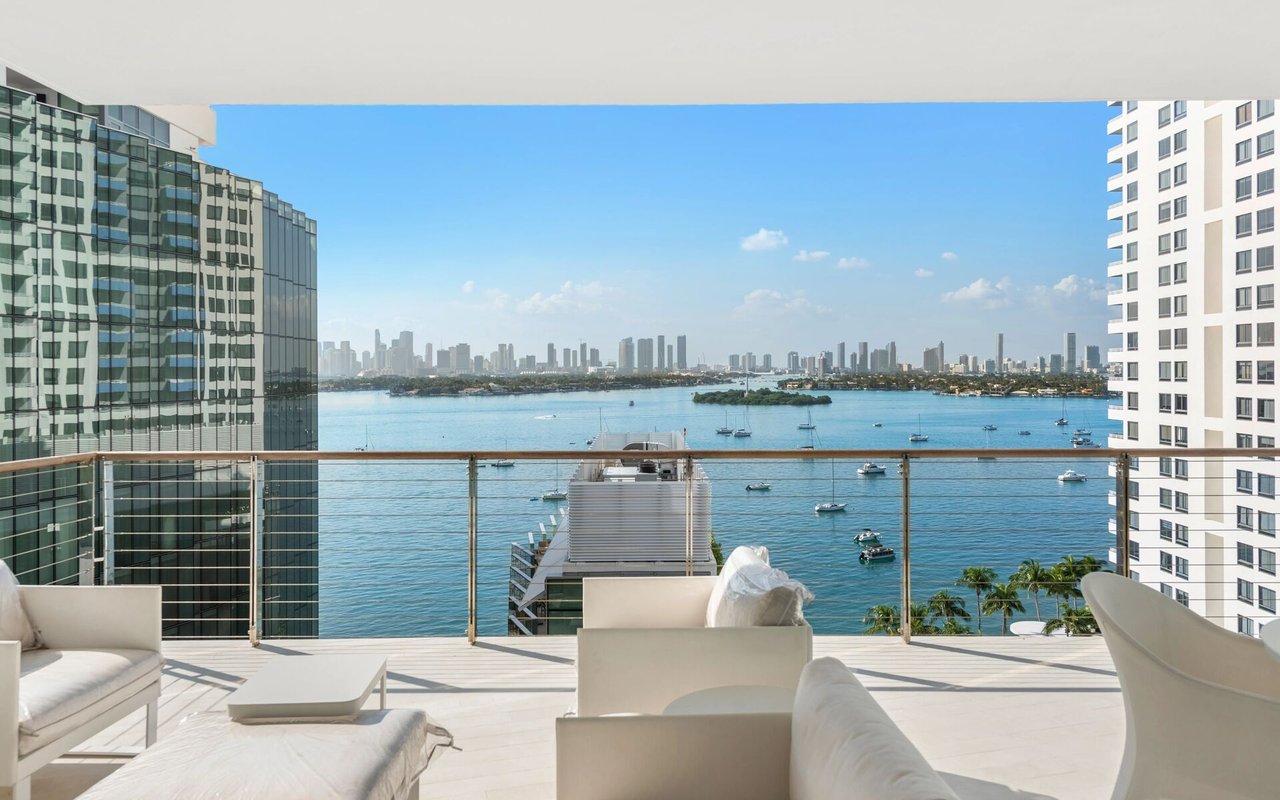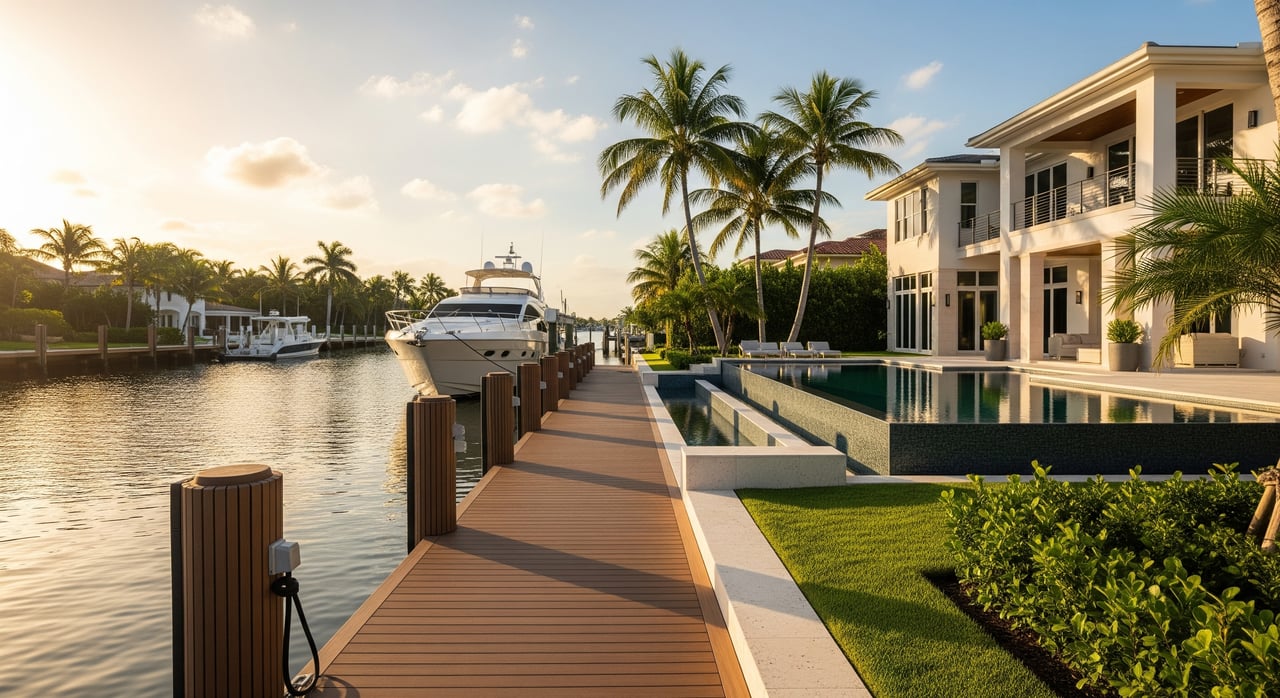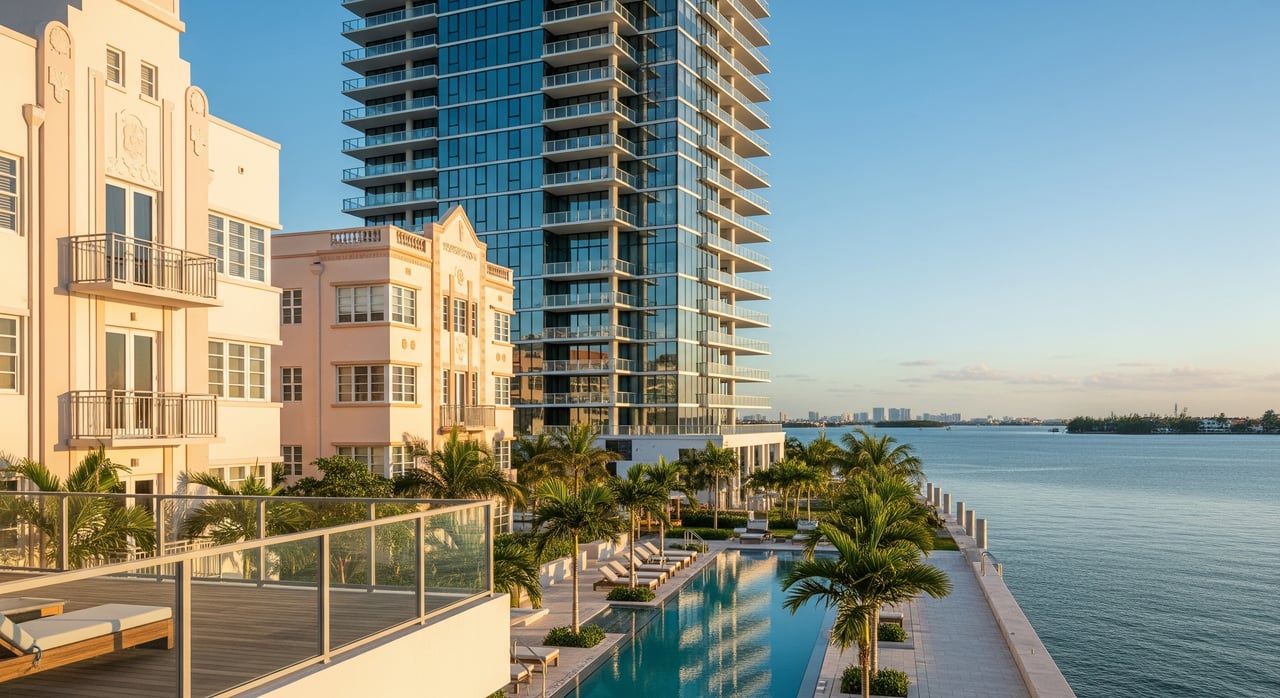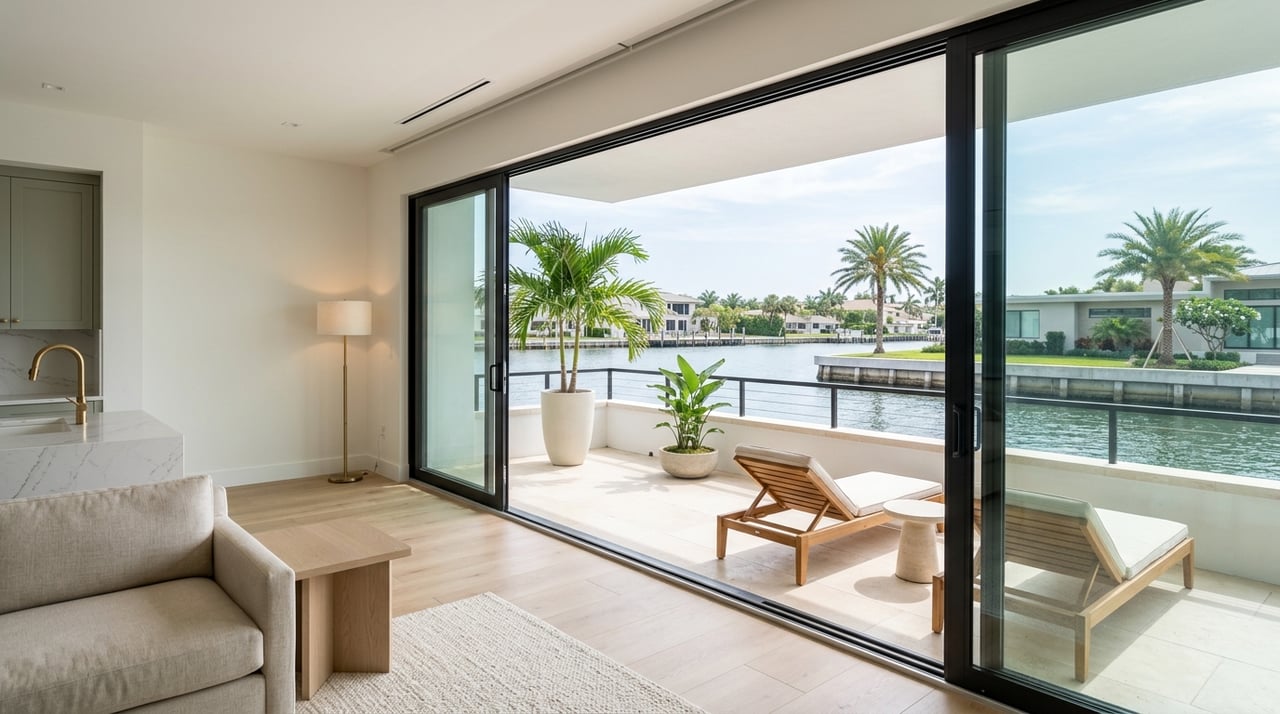
Are you choosing between a Fort Lauderdale waterfront condo and a single-family home? In this market, the decision goes far beyond views and square footage. If you want the right fit for your lifestyle, boating plans, and long-term ownership costs, it helps to understand how Fort Lauderdale’s waterways, flooding, and property rules shape the experience. Let’s dive in.
Why Fort Lauderdale Waterfront Is Different
Fort Lauderdale is deeply tied to the water. The city reports 165 miles of inland waterways and 7 miles of beach frontage, which makes waterfront living a defining part of the local market.
That same geography also creates real ownership considerations. Fort Lauderdale is low, flat, and surrounded by water, so flooding should be treated as a core buying factor, not a secondary concern.
If boating is part of your plan, local access matters just as much as the address. The city’s boating infrastructure includes two municipal marinas in the Florida Clean Marina Program with 149 slips and four boat launch ramps, plus multiple pumpout systems for boaters.
In practical terms, that means the value of a waterfront property depends on how you will actually use it. A beautiful view may not be enough if the dockage, slip setup, or marina access does not match your needs.
Condo or House: The Core Tradeoff
For many buyers, the condo versus house decision comes down to control, convenience, and responsibility. Both can offer an exceptional waterfront lifestyle, but they deliver it in different ways.
A condo often appeals to buyers who want a more service-oriented ownership model. A single-family home usually fits buyers who want more privacy, more outdoor flexibility, and more direct control over the property.
In Fort Lauderdale, that tradeoff becomes more important because water access, flood exposure, insurance structure, and shoreline upkeep all carry more weight than they do in many other markets. Your best choice is often the one that fits your real day-to-day use, not just the one that looks best on paper.
What a Waterfront Condo Offers
A waterfront condo can simplify ownership in meaningful ways. Florida’s condo structure is built around shared responsibility, with the association handling common-property matters while unit owners pay their share of common expenses and follow the association’s rules.
That setup can be attractive if you prefer less day-to-day exterior maintenance. It may also suit you if you value a more managed environment and do not want to oversee every exterior repair yourself.
From an insurance standpoint, Florida’s consumer guidance explains that condo owners typically carry an HO-6 policy. This usually focuses on personal property and liability, while the association handles the broader building framework.
For many buyers, that creates a more streamlined ownership experience. If you want waterfront living with fewer direct exterior responsibilities, a condo can be a strong fit.
What Condos May Give Up
That convenience comes with more shared governance. When you buy a condo, you are not just buying a residence. You are also stepping into a community structure with budgets, reserves, rules, and board decisions that can directly affect your costs and experience.
Florida’s current condo laws are especially important in coastal markets like Fort Lauderdale. For residential condo buildings that are three stories or higher, associations must complete a structural integrity reserve study at least every 10 years, and those buildings must also complete milestone inspections by the year they turn 30 and every 10 years after that.
The law also allows local enforcement agencies to require milestone inspections at 25 years when local conditions justify it, including proximity to salt water. For buyers, that means document review is no longer optional. It is one of the most important parts of the purchase process.
Condo Documents to Review
If you are considering a Fort Lauderdale waterfront condo, ask for:
- The latest milestone inspection summary
- The most recent structural integrity reserve study
- The association budget
- Reserve funding information
- Any required seller disclosures tied to these reports
Florida law now ties many of these items to contract disclosures. These documents can tell you far more about future maintenance risk and financial planning than a marketing brochure ever will.
What a Waterfront House Offers
A single-family waterfront home gives you more direct control over the property. That can be a major advantage if privacy, outdoor living, entertaining space, or boating access are high on your priority list.
With a house, you usually have more freedom to shape how the property works for you. That may include dock use, outdoor layout, or how you manage the shoreline and exterior spaces.
This option often appeals to buyers who want the waterfront lifestyle to feel more personal and less governed by shared rules. If your vision includes a custom outdoor experience or more direct water access control, a house may align better with your goals.
What Houses May Give Up
More control also means more responsibility. In a single-family home, you are much more directly responsible for exterior upkeep, shoreline condition, insurance planning, and repair decisions.
That responsibility matters even more on the water. Fort Lauderdale states that all exterior work requires a current signed and sealed survey and site plan, and its building FAQ notes that dock decking replacement requires a permit and Broward County approval.
Broward County guidance also covers docks, seawalls, bulkheads, boat lifts, piers, and pilings. Some smaller projects may qualify for a streamlined general license, while larger projects or work affecting wetlands may require a regular environmental resource license.
House Insurance and Ownership Planning
Insurance is also more individualized with a house. Florida’s consumer insurance guidance says a typical owner-occupied single-family home uses an HO-3 policy, while flood coverage is usually separate from standard homeowners coverage.
Florida law does not require homeowners to carry flood insurance, but lenders may require it when there is a mortgage. For waterfront buyers, that means the structure, contents, and flood exposure may all involve separate layers of coverage and cost.
Flood Risk Should Lead Your Search
No matter which property type you prefer, flood exposure should be one of the first items you evaluate. Fort Lauderdale’s geography makes this especially important, and the city’s resilience planning reflects both current flooding concerns and future sea-level-rise conditions.
You should confirm the flood zone status early in your search. You should also ask about flood-insurance availability and the age and condition of any seawall or shoreline protection before you get too far into negotiations.
A property can look ideal at first glance and still carry meaningful long-term costs tied to water exposure. That is why experienced waterfront due diligence should start with the site itself, not just the interior finishes.
Boating Access Is Not One-Size-Fits-All
In Fort Lauderdale, many buyers are drawn to the waterfront because they want to live with their boat, not just near the water. That makes practical access a major part of the decision.
If you are comparing condos and houses, think beyond the listing description. Ask whether the property’s real-world setup supports your vessel size, launch habits, storage needs, and frequency of use.
For a condo, that may mean understanding slip availability or marina proximity. For a house, it may mean confirming dock condition, permits, and how much control you will have over future improvements.
Smart Due Diligence for Each Option
The strongest waterfront purchases usually come from asking the right questions early. In Fort Lauderdale, that means focusing on water, structure, and ownership obligations before you focus on cosmetic updates.
Waterfront Condo Checklist
Before you move forward on a condo, review:
- Flood exposure for the building and surrounding area
- The latest milestone inspection summary
- The most recent structural integrity reserve study
- Association budget and reserve funding
- Rules that affect ownership and use
- Insurance responsibilities between owner and association
Waterfront House Checklist
Before you move forward on a house, review:
- Flood zone status and flood-insurance options
- Seawall or shoreline condition
- Dock, lift, or bulkhead permitting status
- Any known future repair or rehabilitation needs
- Exterior work requirements from the city and county
- Insurance structure for home and flood coverage
If shoreline work may be needed, there is also a local budgeting detail worth knowing. Fort Lauderdale offers a Living Seawall Permit Fee Assistance Program with a 100% discount on seawall permit base fees for qualifying projects, up to $3,500 for residential properties.
Which Waterfront Property Fits You Best?
A condo may be the better fit if you want convenience, shared services, and a lighter exterior-maintenance footprint. It can work especially well if you are comfortable reviewing association documents and living within a structured ownership framework.
A single-family home may be the better fit if you want privacy, custom outdoor space, and more direct control over boating access and property decisions. It can be the stronger choice if you are prepared for a more hands-on ownership role.
In Fort Lauderdale, the smartest choice is rarely just about price or view. It is about how well the property matches your lifestyle, your risk tolerance, and the level of responsibility you want to carry over time.
If you want a tailored, concierge-level strategy for evaluating Fort Lauderdale waterfront opportunities, Ginger Coutain can help you compare the details that matter and move forward with clarity.
FAQs
What is the main difference between a Fort Lauderdale waterfront condo and house?
- A waterfront condo usually offers a more shared, lower-maintenance ownership model, while a waterfront house usually offers more privacy, more direct control, and more personal responsibility for upkeep and shoreline matters.
Why is flood risk so important for Fort Lauderdale waterfront buyers?
- Fort Lauderdale is low, flat, and surrounded by water, so buyers should verify flood zone status, flood-insurance availability, and shoreline condition early in the process.
What condo documents matter most in a Fort Lauderdale waterfront purchase?
- For many condo buildings that are three stories or higher, the most important documents include the latest milestone inspection summary, the most recent structural integrity reserve study, and the association’s budget and reserve information.
What permits should you check for a Fort Lauderdale waterfront house?
- You should ask about permits and approvals related to docks, seawalls, bulkheads, boat lifts, piers, pilings, and other shoreline features, especially if future repairs or upgrades may be needed.
What insurance difference matters between a condo and a house in Fort Lauderdale?
- Florida guidance says condo unit owners typically carry an HO-6 policy, while a typical owner-occupied single-family home uses an HO-3 policy, and flood coverage is usually separate from standard homeowners insurance.
How should boating needs affect your Fort Lauderdale waterfront search?
- You should confirm whether the property’s actual dockage, slip availability, marina access, and shoreline setup support how you plan to use your boat, not just whether the property is marketed as waterfront.