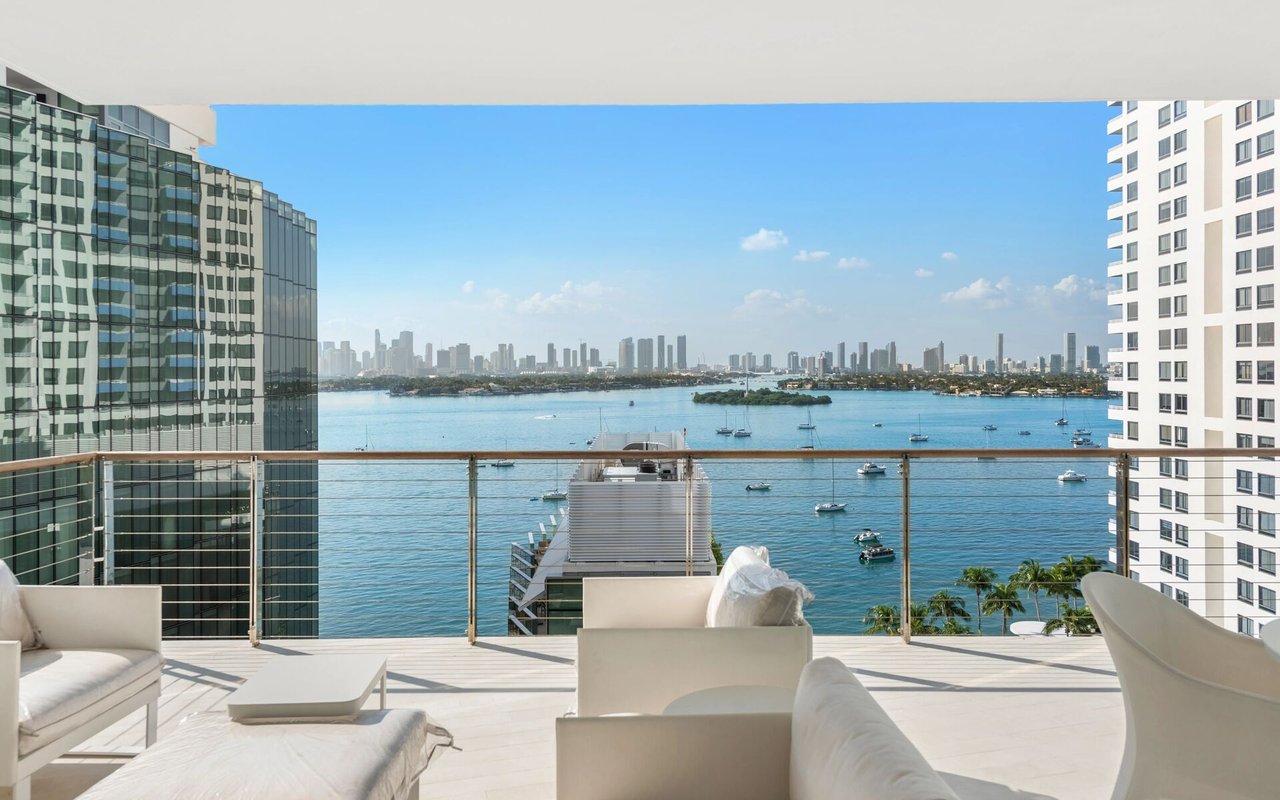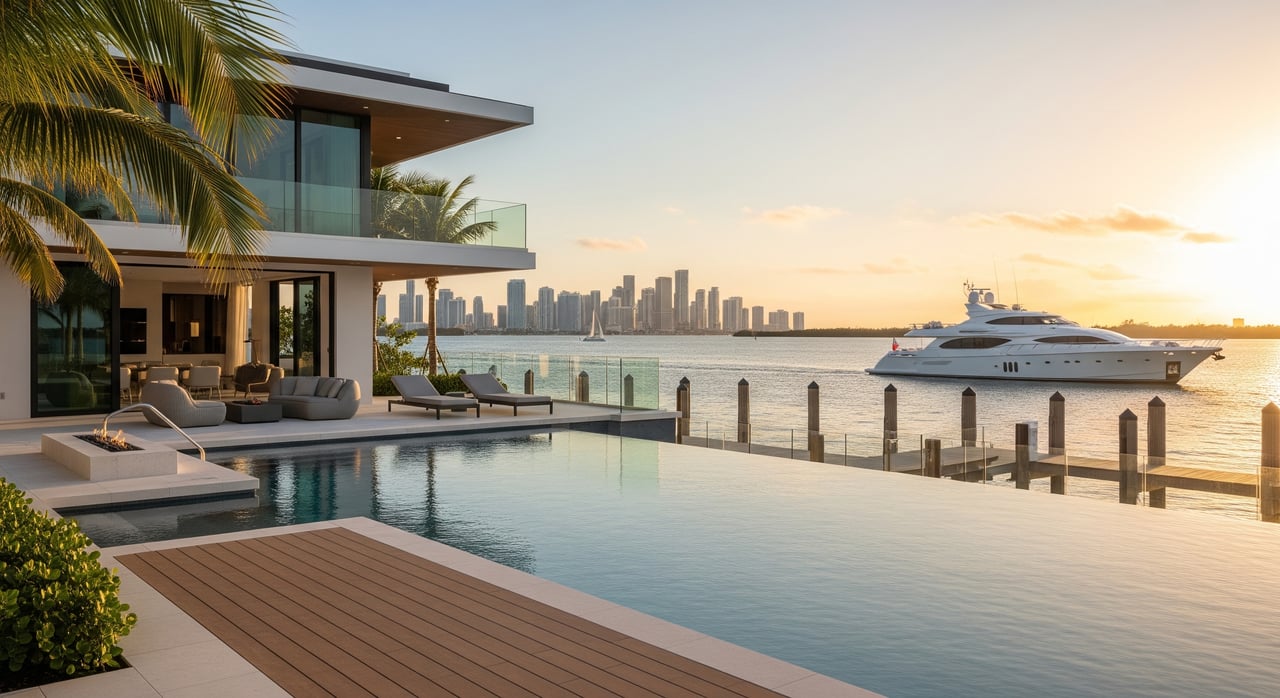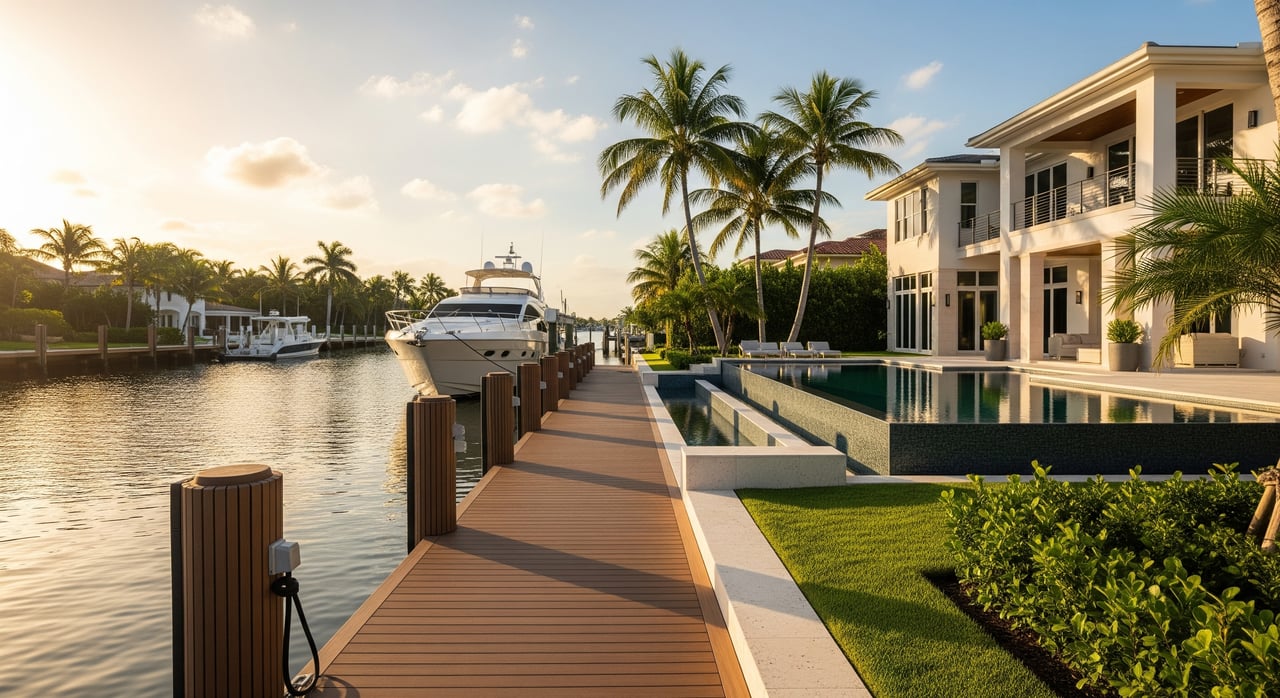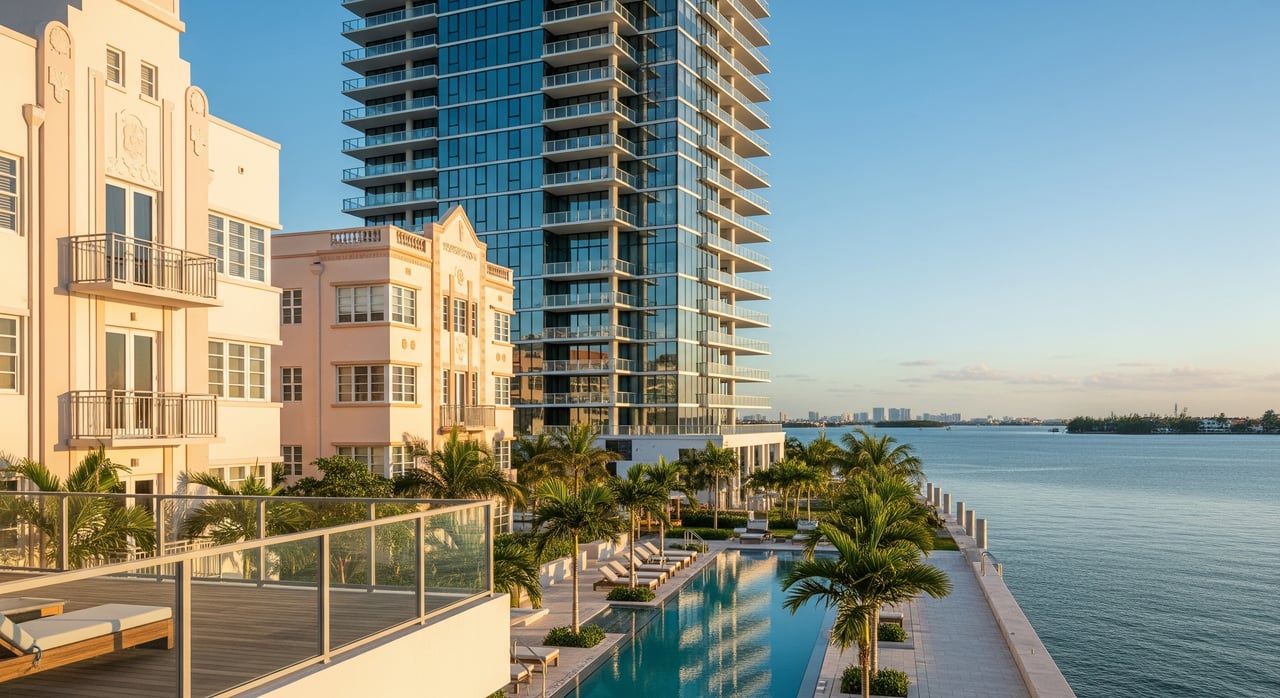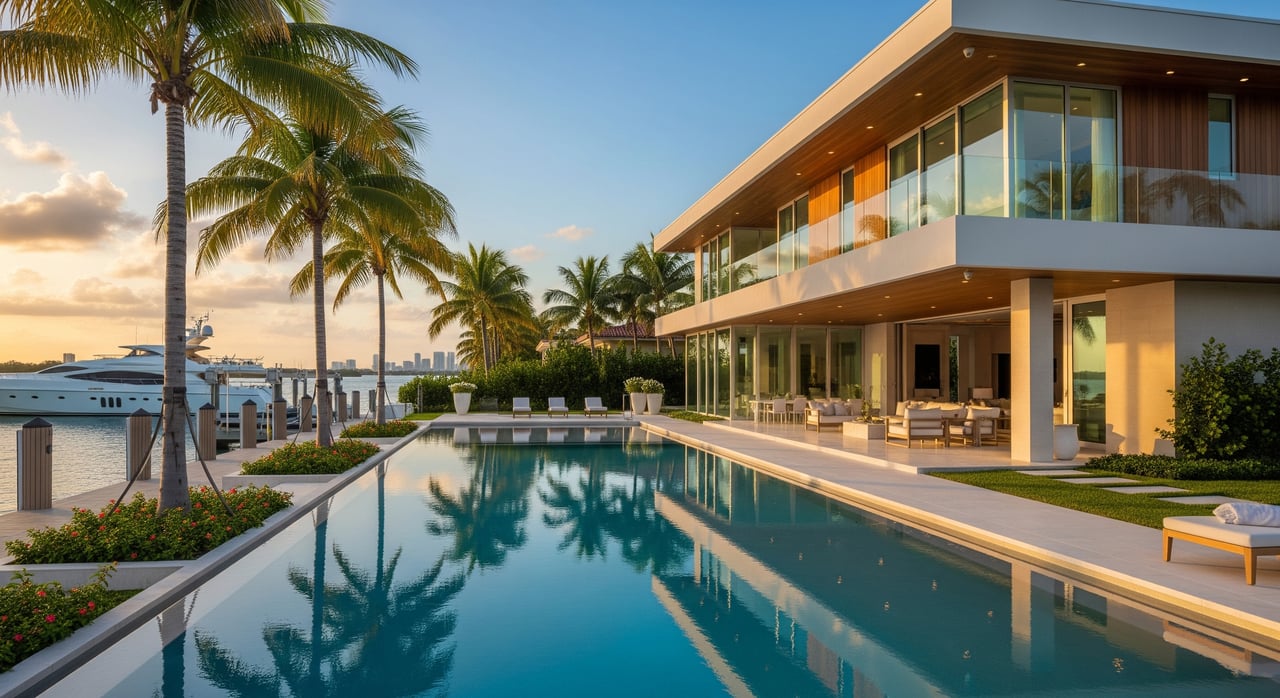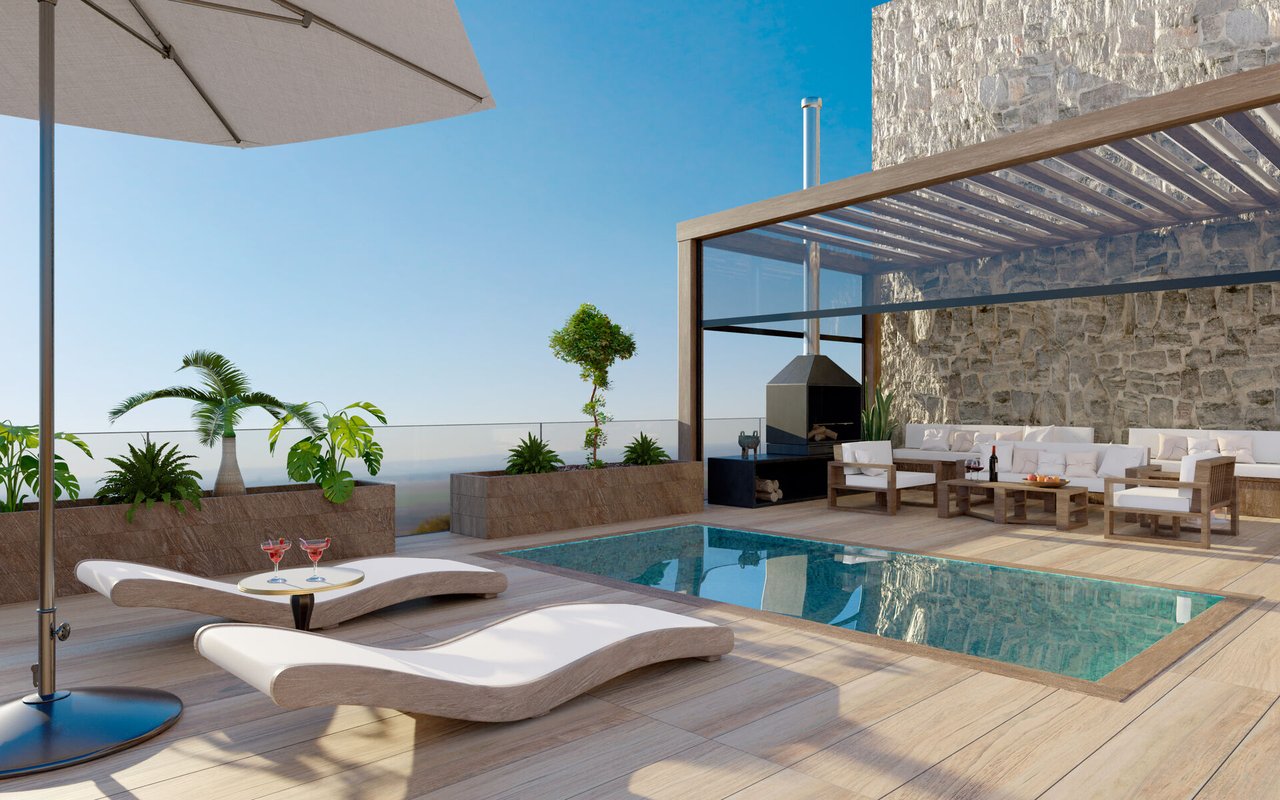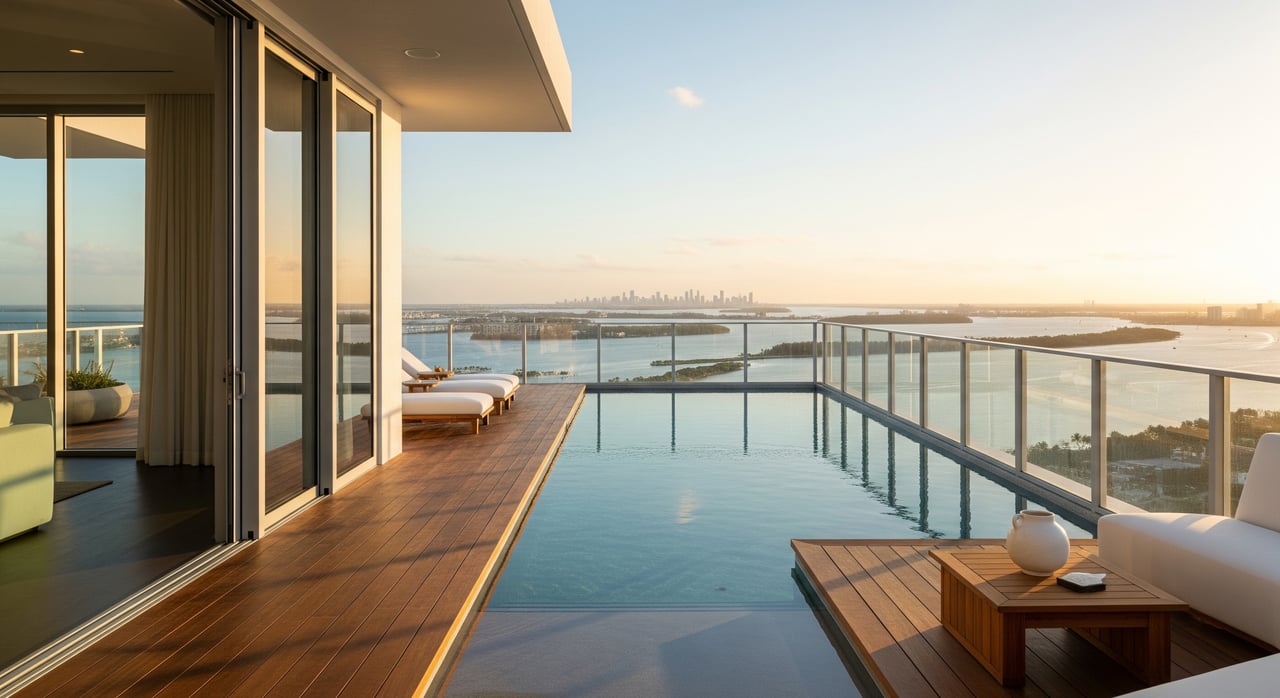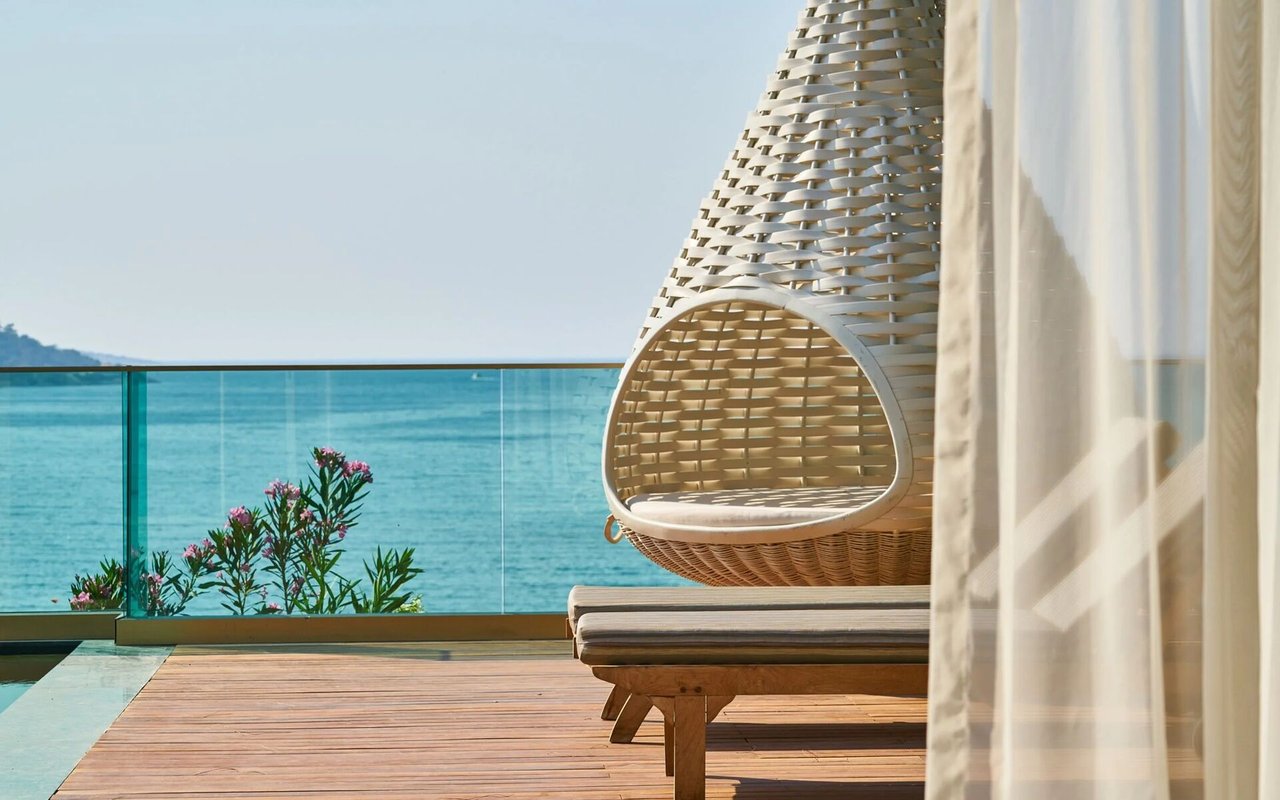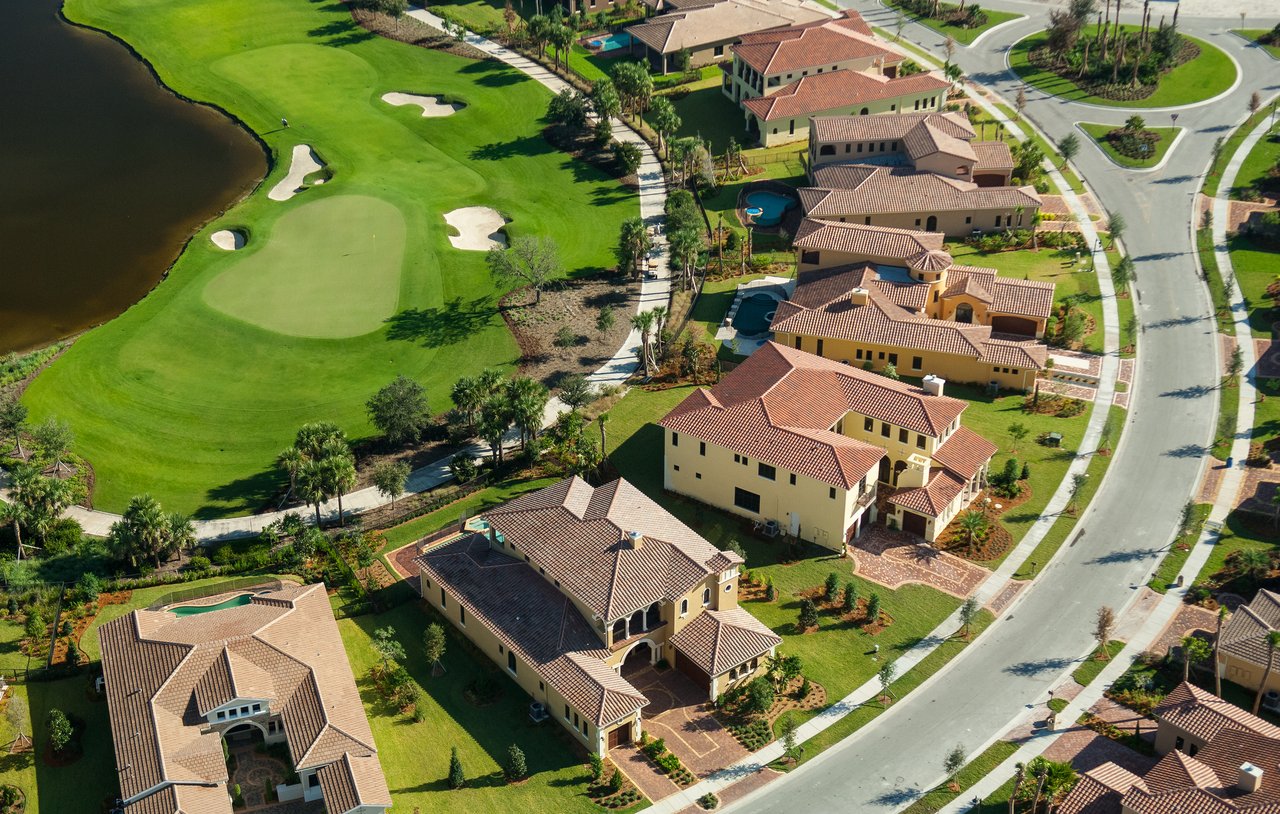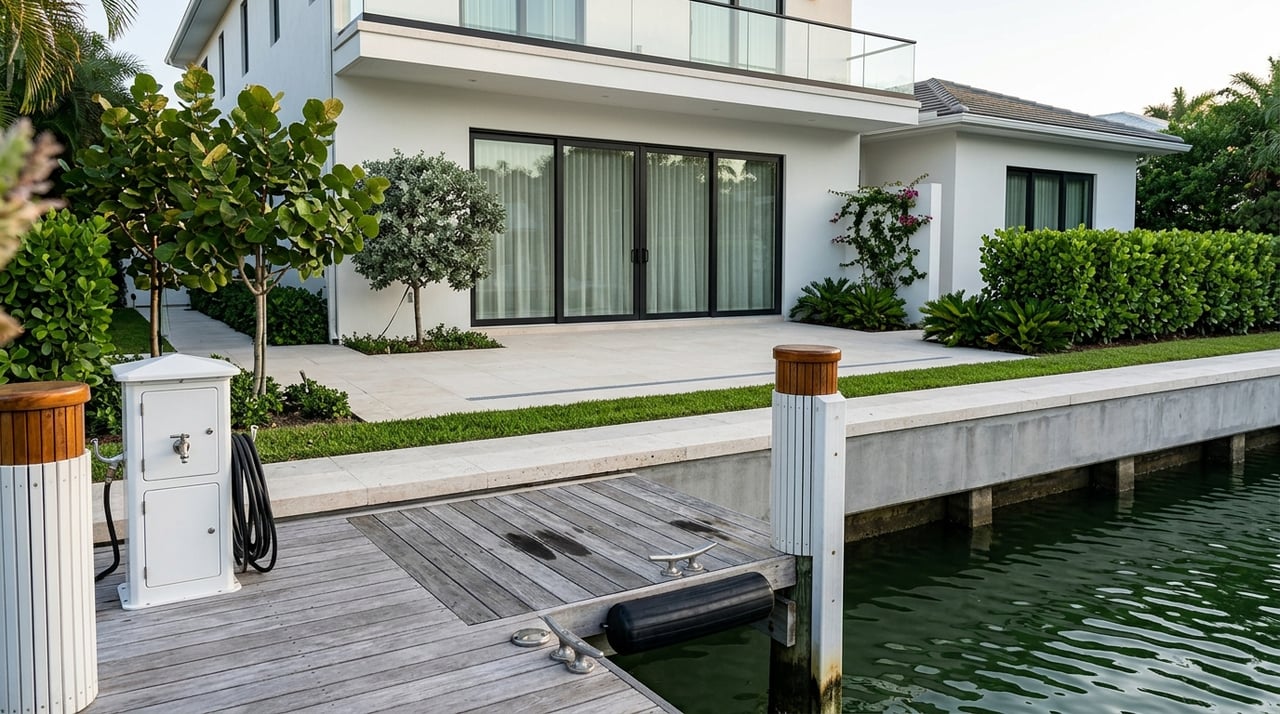
If you picture Fort Lauderdale luxury as a waterfront view alone, you are only seeing part of the story. For many buyers here, the real appeal is how seamlessly your home can connect to life on the water, from morning departures at the dock to dinner along the Intracoastal. If you are exploring a yacht-friendly home in Fort Lauderdale, understanding that daily flow can help you buy or sell with far more confidence. Let’s dive in.
Why Fort Lauderdale Feels Built for Yachting
Fort Lauderdale has long earned its Venice of America identity because the city is shaped by water. The city says it has 165 miles of inland waterways, plus the Intracoastal Waterway, the New River, and a canal system that influences how people move, live, and enjoy the area.
Regional tourism materials describe an even broader marine footprint, with more than 300 miles of waterways, more than 100 marinas, and more than 50,000 registered yachts. That scale helps explain why boating here feels less like a hobby and more like part of the local rhythm.
The waterfront lifestyle is also supported by a real marine industry ecosystem. Fort Lauderdale’s yachting economy includes shipyards, brokers, dockage, marine retail, and service providers, which means homeownership on the water often comes with practical support nearby.
Climate plays a role too. The city highlights its semi-tropical weather and more than 3,000 hours of sunshine each year, making cruising, dockside dining, and outdoor living feel like everyday habits rather than occasional events.
What Makes a Home Yacht-Friendly
In Fort Lauderdale, a yacht-friendly home is usually about access and function, not just prestige. The right property often needs to support your actual boating routine with as few obstacles as possible.
That usually means looking at factors such as private dockage or nearby marina access, shoreline condition, and how easily you can reach the Intracoastal or the ocean. Storage for gear and practical parking also matter more than many buyers expect.
The city’s own waterway management priorities show why these details carry so much weight. Its waterways office focuses on navigability, safety, water quality, vessel operations, and marine regulations, all of which shape what day-to-day waterfront ownership really feels like.
Dockage and Water Access
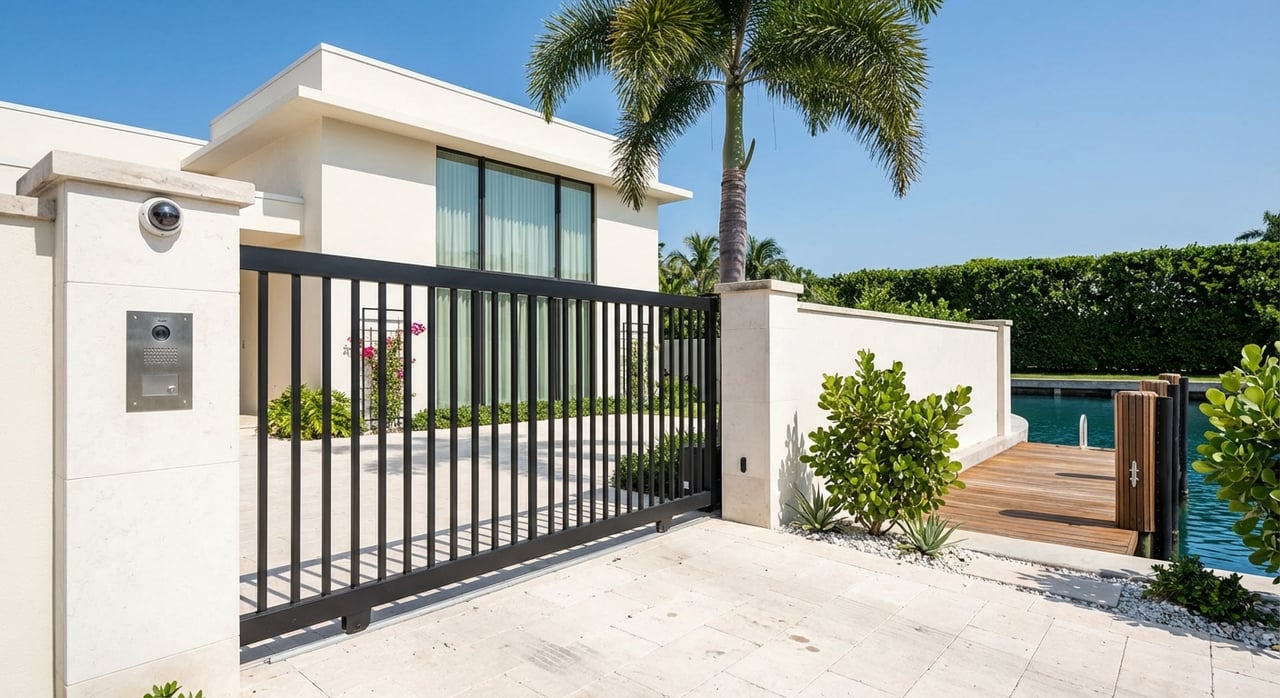
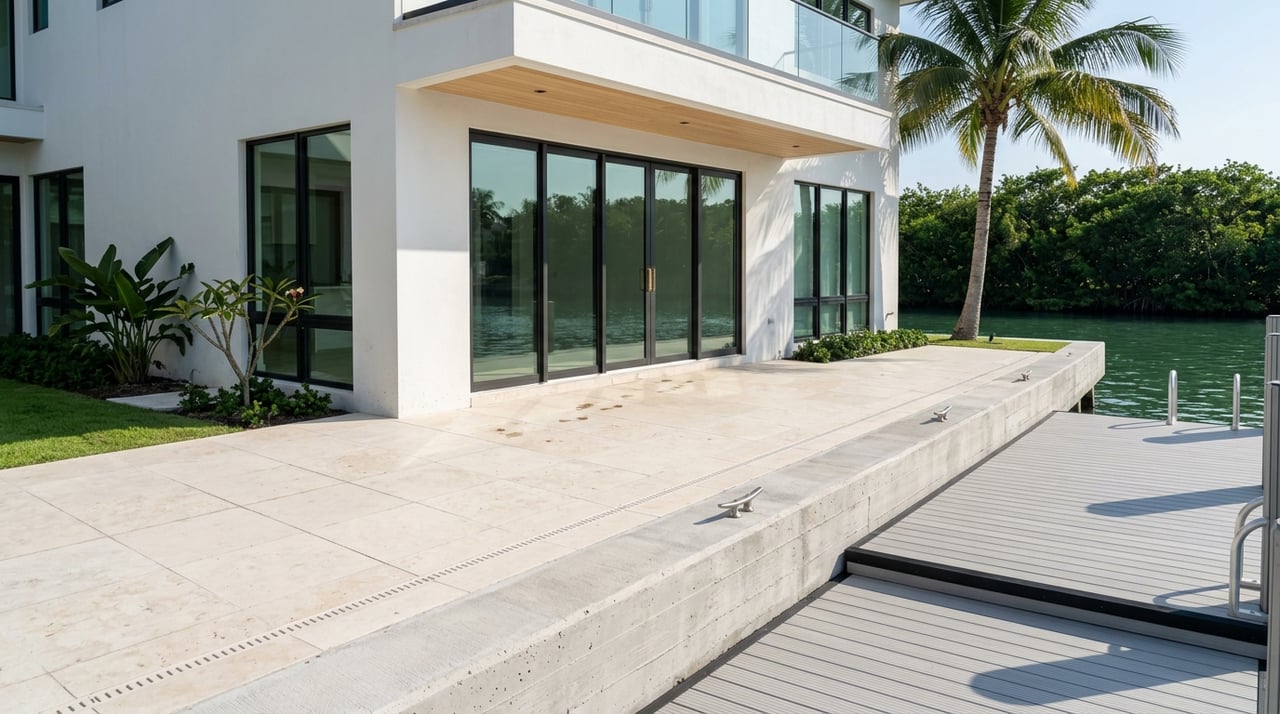
For many buyers, dockage is the starting point. A home may offer private dockage, or it may rely on nearby marina options, but either way the question is the same: how efficiently can you get from home to open water?
That route matters because Fort Lauderdale boating is tied to canal geometry, neighborhood waterways, and access to the Intracoastal. A beautiful property can feel very different in practice depending on how direct or convenient that path is.
Seawalls and Shoreline Condition
Waterfront ownership also includes the shoreline itself. The city’s living seawall permit fee assistance program for qualifying installations signals that shoreline condition and resilience are an important part of owning many waterfront parcels.
For buyers, that means the edge of the property deserves as much attention as the home. For sellers, a well-maintained waterfront setting can help tell a more complete ownership story.
Daily Marine Support
Fort Lauderdale’s municipal marine facilities add another layer of convenience. City facilities include municipal docking, boat-launch sites, complimentary pump-out stations, and Clean Marina designations that support regular boating use.
These details matter because they show that local yachting is backed by infrastructure, not just scenery. If you plan to use your home as a boating base, nearby support can make ownership more seamless.
Neighborhood Patterns Boat Owners Notice
Not every waterfront address functions the same way. In Fort Lauderdale, boat-oriented living is often discussed through neighborhoods such as Harbor Beach, Seven Isles, Las Olas Isles, Nurmi Isles, Lauderdale Harbours, Harbour Isles of Fort Lauderdale, and Rio Vista.
These place names come up repeatedly in city neighborhood and planning materials because each sits within the broader waterfront fabric that attracts boating buyers. The right fit often depends on how you want to balance privacy, route access, neighborhood setting, and proximity to dining or beach destinations.
Harbor Beach and Las Olas Isles
Visit Lauderdale describes Harbor Beach and Las Olas Isles as having calm, easy-to-navigate neighborhood canals that connect through the Intracoastal Waterway. That is useful context if you prefer canal-front living with a smoother path into your routine.
For many buyers, that kind of setting offers a practical advantage. It can create a more controlled, everyday launch point than a location defined only by open-water exposure.
Rio Vista and New River Access
Rio Vista has clearly defined boundaries that include US-1, the Intracoastal Waterway, the New River, and SE 12th Street. The city also notes that Fort Lauderdale Beach is easily accessible from Rio Vista by way of 17th Street or Las Olas Boulevard.
That combination helps explain why this area often draws attention from buyers who want both waterfront context and easy connections to the city’s coastal amenities. It reflects the broader Fort Lauderdale appeal of linking home, boating, and daily life in one setting.
Infrastructure Shapes Access
One of the clearest examples of yachting influence on local real estate is the South Ocean Drive Bridge project. The bridge connects Harbour Isles, Breakwater Surf Homes, Harbour Inlet, and Harbor Beach, and the replacement was designed with added height to accommodate maritime traffic.
That is a strong reminder that in Fort Lauderdale, marine access can shape neighborhood infrastructure itself. For buyers and sellers alike, that makes location analysis more nuanced than a simple map search.
The city has also invested in Las Olas Isles utility undergrounding to improve safety, resilience, aesthetics, and infrastructure. For sellers, improvements like these can help frame the value of the broader neighborhood setting, not just the residence.
Living the Yachting Lifestyle at Home
Owning a yacht-friendly home in Fort Lauderdale is about more than where you dock. It is about how naturally your property connects to the routines and experiences that make the city feel distinct.
A typical day might include cruising the New River, catching the Water Taxi along the New River or Intracoastal, or stopping at a dock-and-dine destination. Even a sunset gondola ride from Las Olas Boulevard reflects how woven boating is into the city’s everyday lifestyle.
On land, the lifestyle extends to Fort Lauderdale Beach, Riverwalk, and the Las Olas corridor, which the city describes as part of its arts, dining, and entertainment identity. That blend of waterfront mobility and walkable destinations is one reason luxury buyers continue to focus on this market.
The annual Winterfest Boat Parade and the Fort Lauderdale International Boat Show reinforce that identity on a larger scale. Winterfest runs along the New River and Intracoastal, while FLIBS is described as the largest in-water boat show in the world.
Port Everglades adds another practical advantage. It spans Fort Lauderdale, Dania Beach, and Hollywood, sits near Atlantic shipping lanes, and is close to Fort Lauderdale-Hollywood International Airport, supporting the city’s wider maritime convenience.
What Buyers Should Evaluate First
If you are shopping for a yacht-oriented home, focus on how the property supports movement. In Fort Lauderdale, value often comes from whether a residence can fit your boating habits from dock to Intracoastal to ocean and back again.
Start with a short checklist:
- Dockage or marina access
- Route to the Intracoastal or ocean
- Shoreline and seawall condition
- Neighborhood canal layout
- Marine facility proximity
- Parking and storage for boating gear
- Surrounding infrastructure that affects access
This approach helps keep your search grounded in function. A polished home can still miss the mark if the water access does not align with how you actually plan to use it.
What Sellers Should Highlight
If you are preparing to sell a waterfront property, lead with the full ownership experience. In a market like Fort Lauderdale, buyers are often comparing not just finishes and views, but also how efficiently a home supports life on the water.
That means your property story may include dockage, shoreline maintenance, marina convenience, route simplicity, and neighborhood infrastructure. It can also include the surrounding lifestyle, such as access to Las Olas, Riverwalk, Fort Lauderdale Beach, or major marine events.
For high-end waterfront homes, presentation matters. The strongest marketing positions the residence as both a luxury property and a practical gateway to Fort Lauderdale’s boating culture.
Why Access Matters More Than Address Alone
In Fort Lauderdale, the yachting lifestyle at home is ultimately defined by access. Canal configuration, bridge clearance, marina support, shoreline condition, and proximity to everyday waterfront destinations all shape the value of a property.
That is why a strategic search or sale requires more than surface-level appeal. When you understand how a home works within the city’s marine environment, you can make a far more informed real estate decision.
If you are considering a waterfront purchase or preparing to position a Fort Lauderdale property for sale, working with a trusted local advisor can help you assess both the lifestyle fit and the long-term value. To schedule a private consultation, connect with Ginger Coutain.
FAQs
What makes a Fort Lauderdale home yacht-friendly?
- A yacht-friendly Fort Lauderdale home typically supports boating through features like dockage or marina access, a practical route to the Intracoastal or ocean, shoreline condition, and space for gear and parking.
Which Fort Lauderdale neighborhoods are often associated with boating?
- City neighborhood and planning materials frequently reference Harbor Beach, Seven Isles, Las Olas Isles, Nurmi Isles, Lauderdale Harbours, Harbour Isles of Fort Lauderdale, and Rio Vista when discussing waterfront living.
Why do canals and bridge access matter in Fort Lauderdale?
- Canals and bridge access matter because waterfront value in Fort Lauderdale is closely tied to navigability, maritime traffic flow, and how easily you can move between your home, the Intracoastal, and the ocean.
What city services support boating in Fort Lauderdale?
- Fort Lauderdale offers municipal docking, boat-launch sites, complimentary pump-out stations, Clean Marina facilities, and waterways oversight focused on safety, water quality, navigability, and vessel operations.
What should sellers emphasize about a Fort Lauderdale yacht home?
- Sellers should highlight the full boating lifestyle, including dockage, route convenience, shoreline condition, neighborhood water access, nearby marine facilities, and connections to destinations like Las Olas, Riverwalk, and Fort Lauderdale Beach.