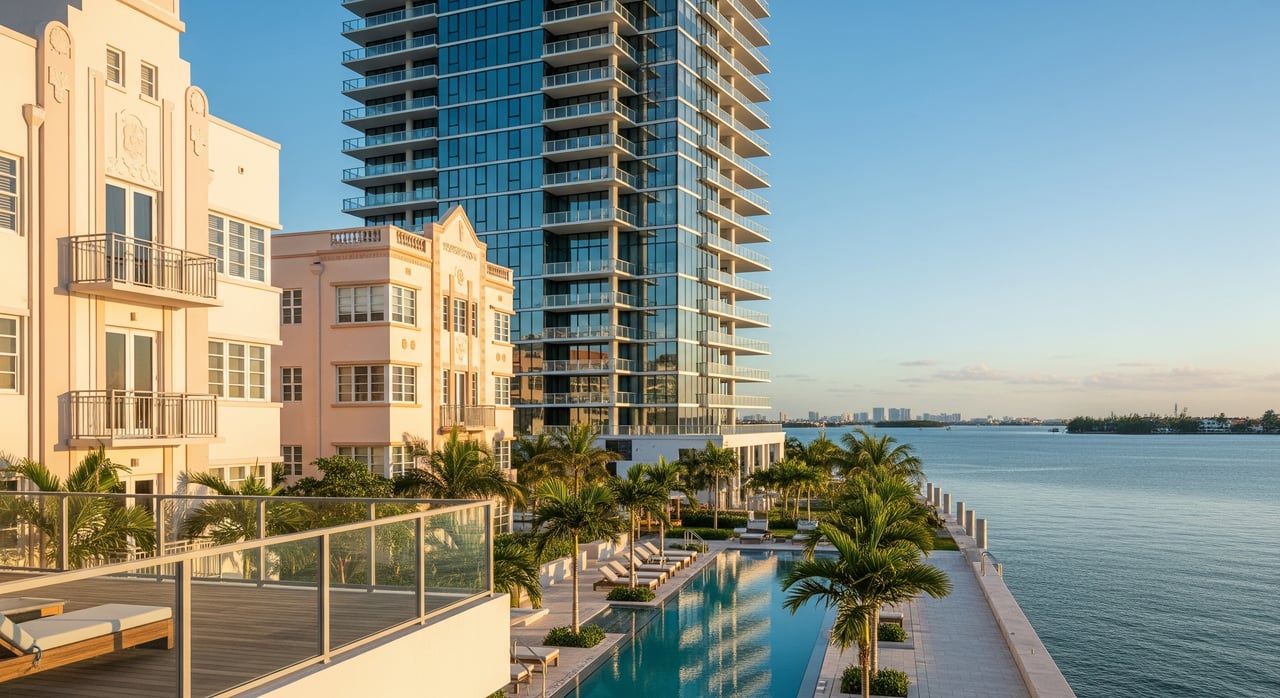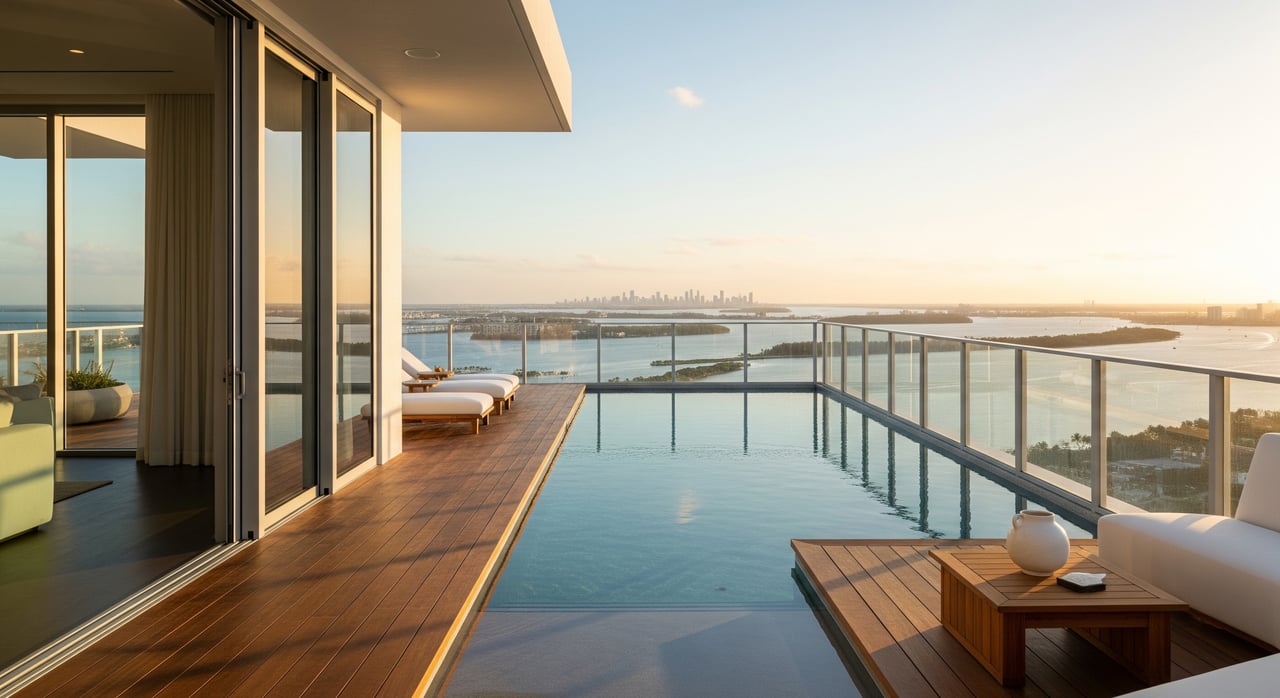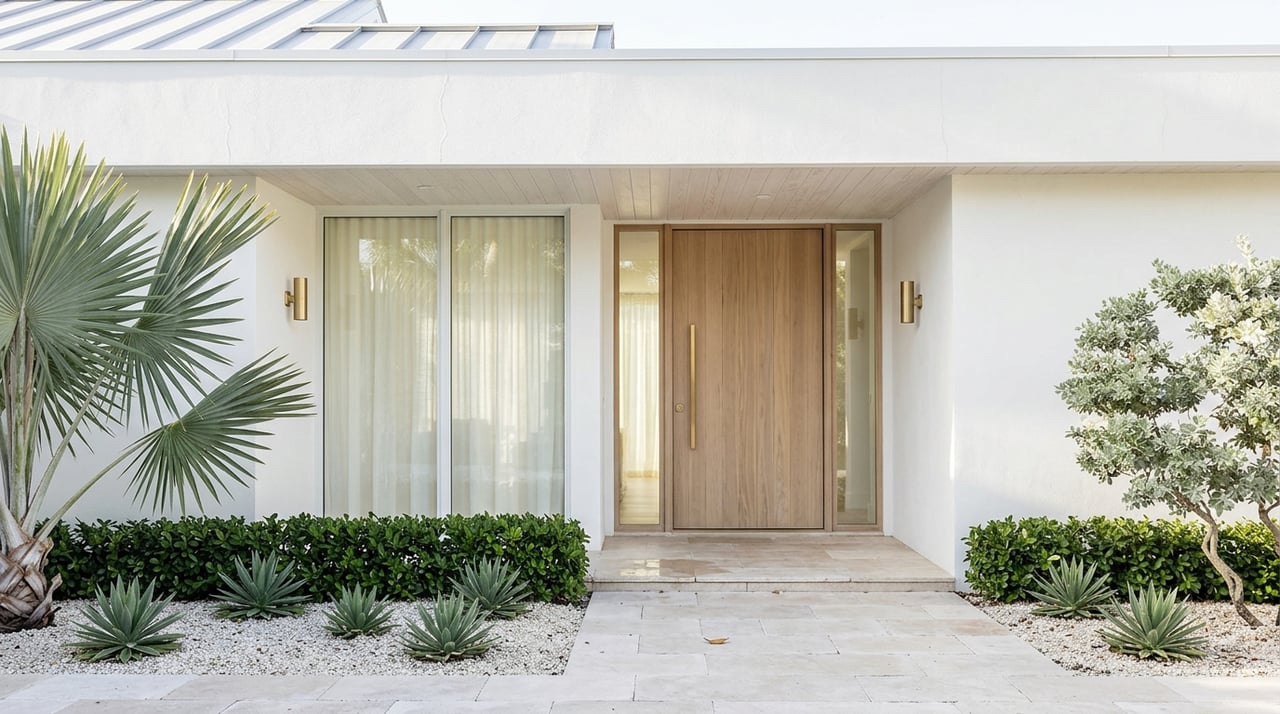
Selling a trophy home in Fort Lauderdale is rarely about simply putting a sign in the yard and waiting for the right buyer. In a market where luxury buyers have options and expect a polished experience, your home’s debut can shape both interest and leverage from day one. If you want to protect value, reduce friction, and present your property with confidence, a thoughtful pre-market plan matters. Let’s dive in.
Why launch strategy matters in Fort Lauderdale
Fort Lauderdale’s single-family market in the first quarter of 2026 showed a median sale price of $807,500 and an average sale price of $1,784,184. Homes took a median 69 days to go under contract, and sellers received 93.6% of original list price. Those numbers point to a market where buyers are active, but not careless.
Broward County also posted 4.8 months of single-family inventory and 94.7% of original list price received. At the same time, $1 million-plus single-family sales contracts in Broward rose 17.7% year over year in April 2026. For you as a trophy-home seller, that means demand is there, but presentation, pricing discipline, and timing still matter.
Start with a documentation-first approach
Before styling a single room, begin with your property file. In Florida, sellers must disclose known facts that materially affect value and are not readily observable, even in an as-is sale. Florida Realtors also notes that a flood disclosure must be provided at or before contract execution, and pending code-enforcement actions require written disclosure with supporting documents.
A well-organized file can make your listing feel more credible and easier to evaluate. For a high-value home, gather repair invoices, permits, warranties, appliance information, roof records, service histories, and any relevant maintenance documentation. This helps support a smoother conversation once serious buyers begin asking detailed questions.
What to gather before listing
- Repair and renovation invoices
- Permit records and close-out documentation
- Appliance and system warranties
- Service records for HVAC, pool, elevator, dock, or generators if applicable
- Flood-related disclosure information
- Any written notices involving code enforcement, if applicable
Declutter with luxury in mind
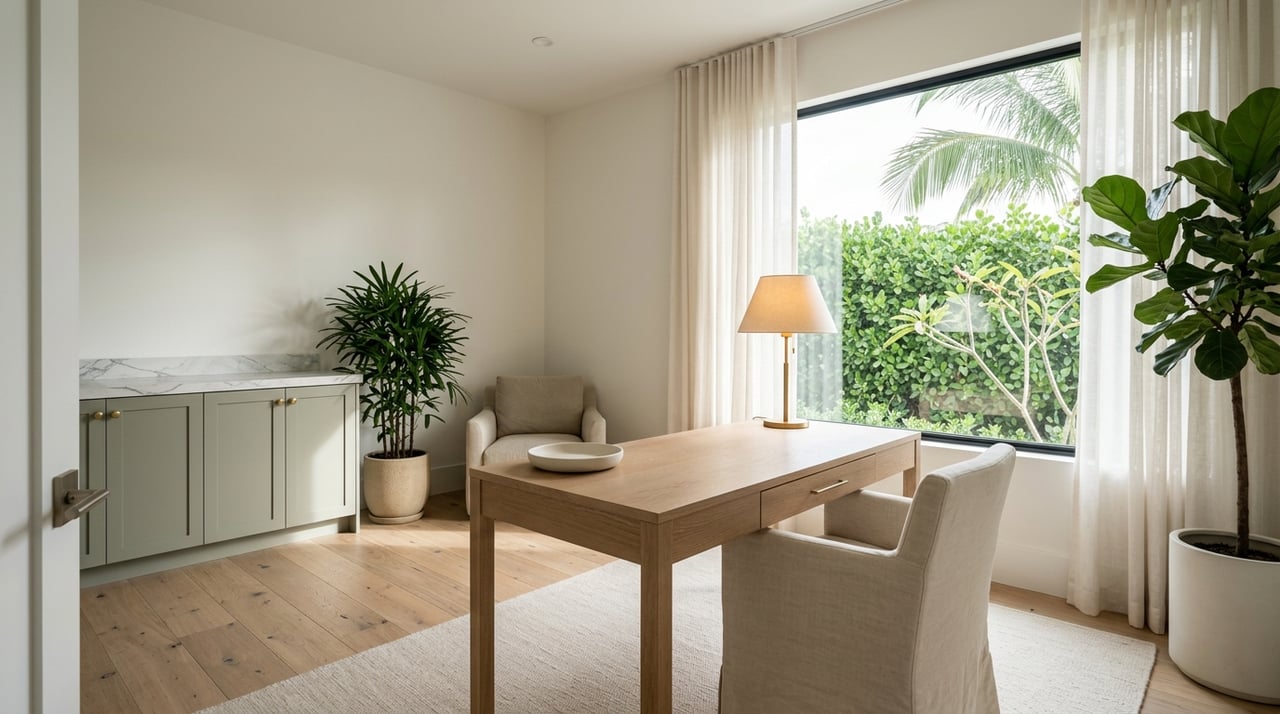
Luxury presentation is not about making your home feel empty. It is about making it feel intentional, calm, and easy to experience. Staging guidance from NAR emphasizes removing personal items, using neutral finishes, decluttering, and opening space so buyers can see the home’s potential.
That advice matters even more at the top of the market, where buyers are often comparing architecture, scale, light, and finish quality very quickly. If a room feels crowded or overly personalized, attention shifts away from the property itself. Your goal is to let the home’s design, proportions, and setting lead the story.
Focus on editing, not erasing
As you prepare each space, think curated rather than sparse. Keep key surfaces clean, remove excess furniture where flow feels tight, and make storage areas look usable and orderly. Natural light should be easy to enjoy, so open blinds and simplify window areas where possible.
Privacy also deserves attention during this stage. Clear away family photos, visible paperwork, calendars, labeled mail, and anything else that reveals routines or personal details before photography and showings begin.
Stage the rooms buyers judge first
Not every room carries the same weight in a trophy-home sale. NAR’s staging findings show that 83% of buyers’ agents said staging made it easier for buyers to visualize the property as their future home. In the same report, 49% of sellers’ agents said staging reduced time on market, and 29% said it increased the dollar value offered by 1% to 10%.
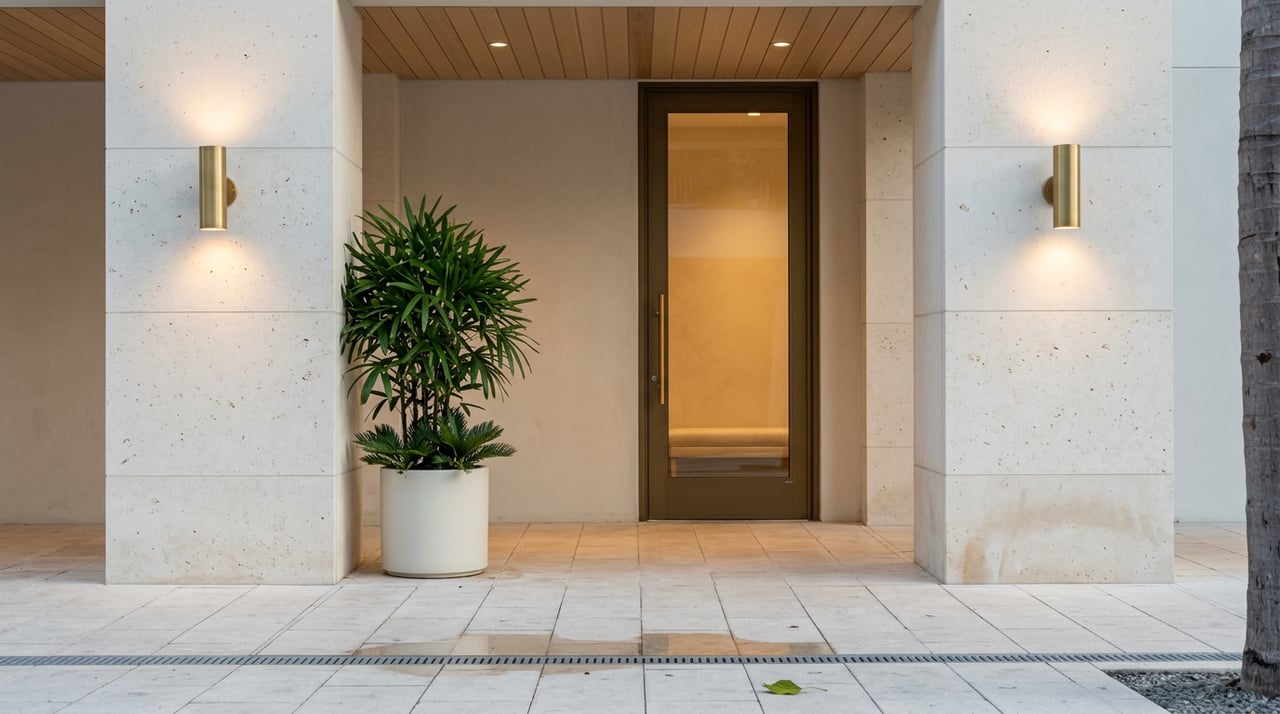
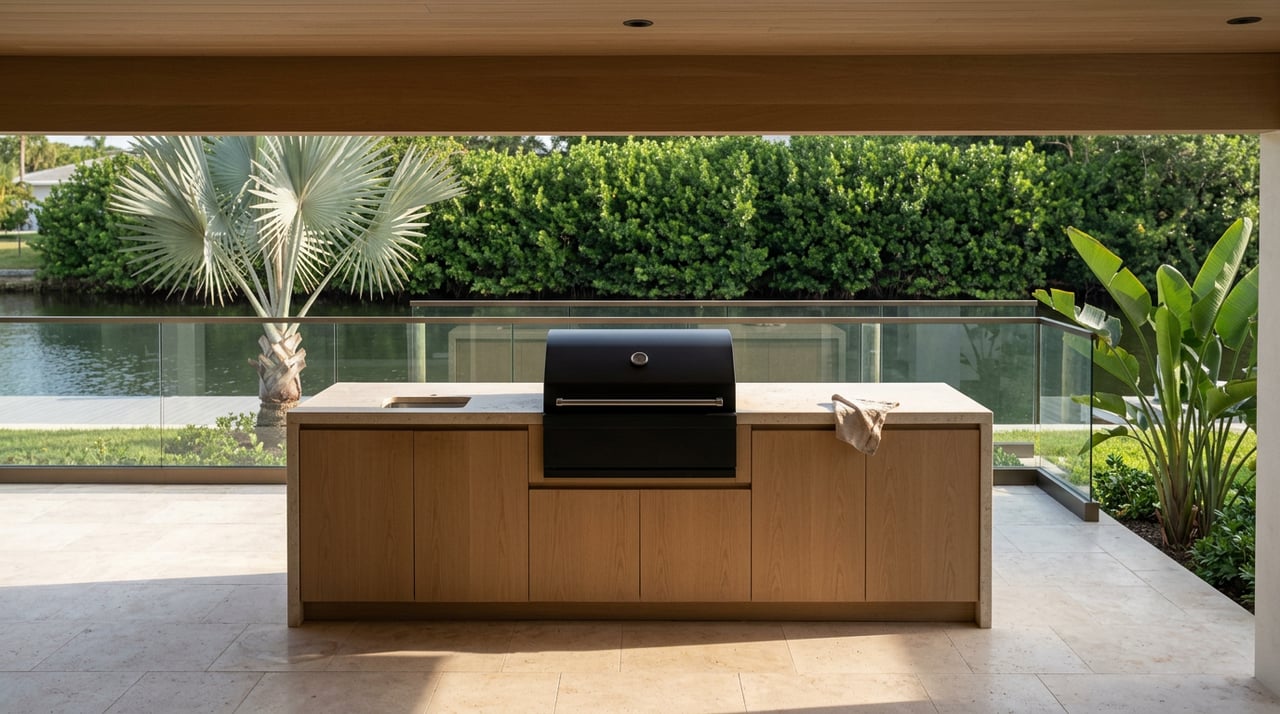
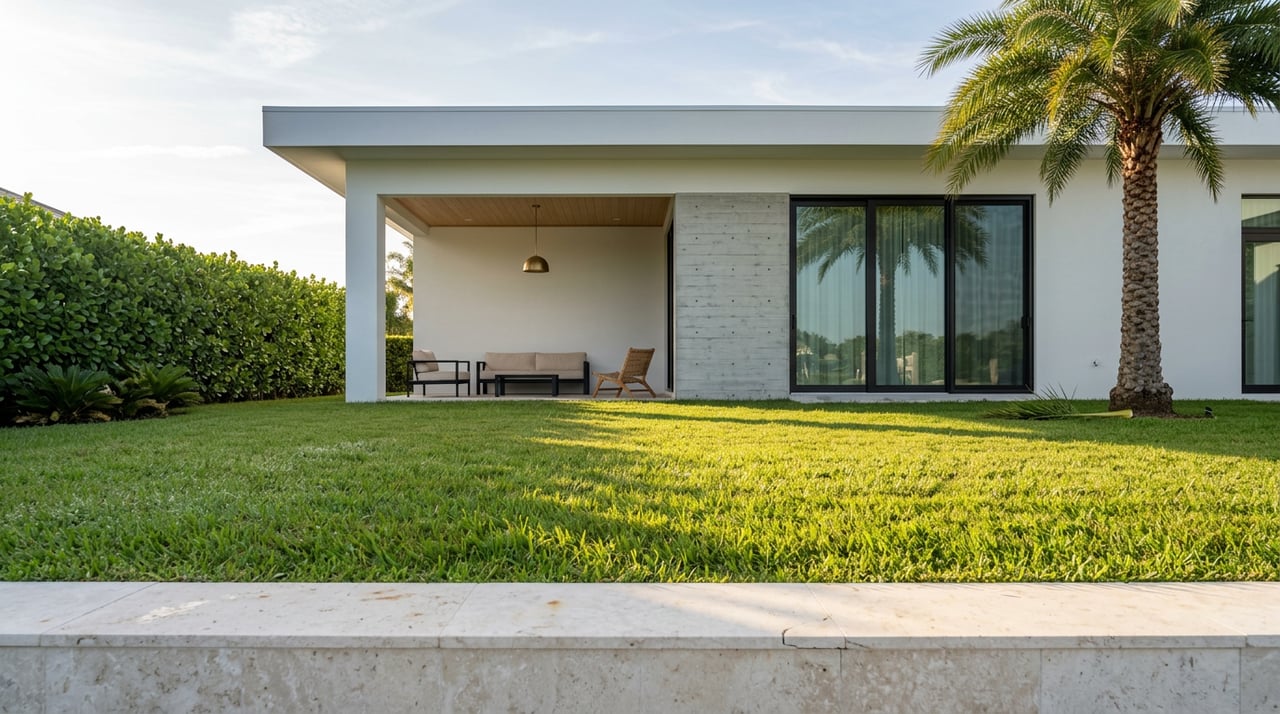
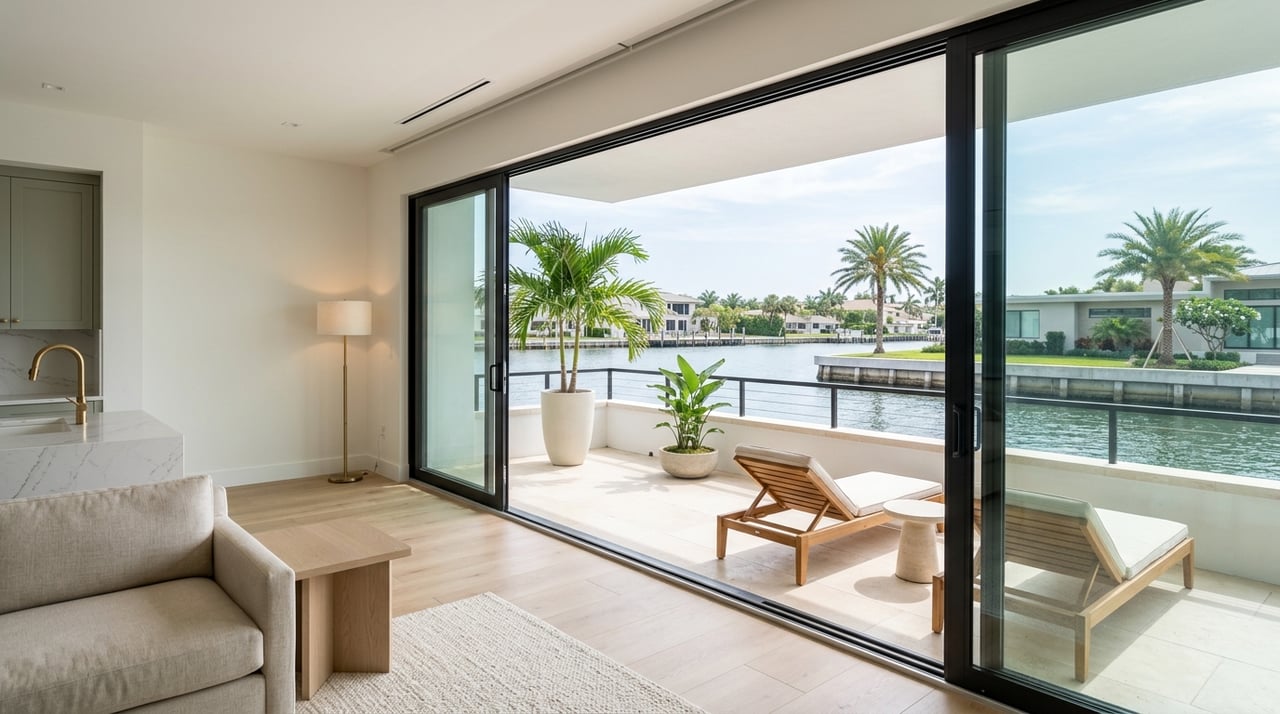
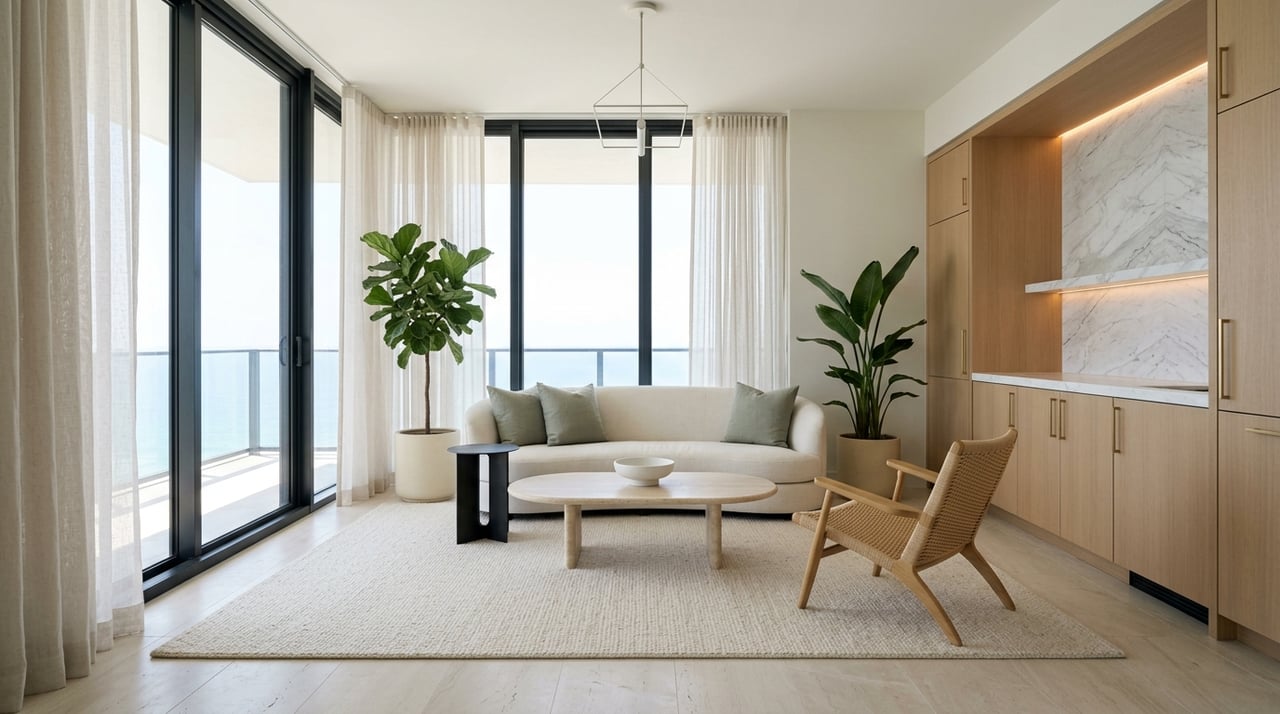
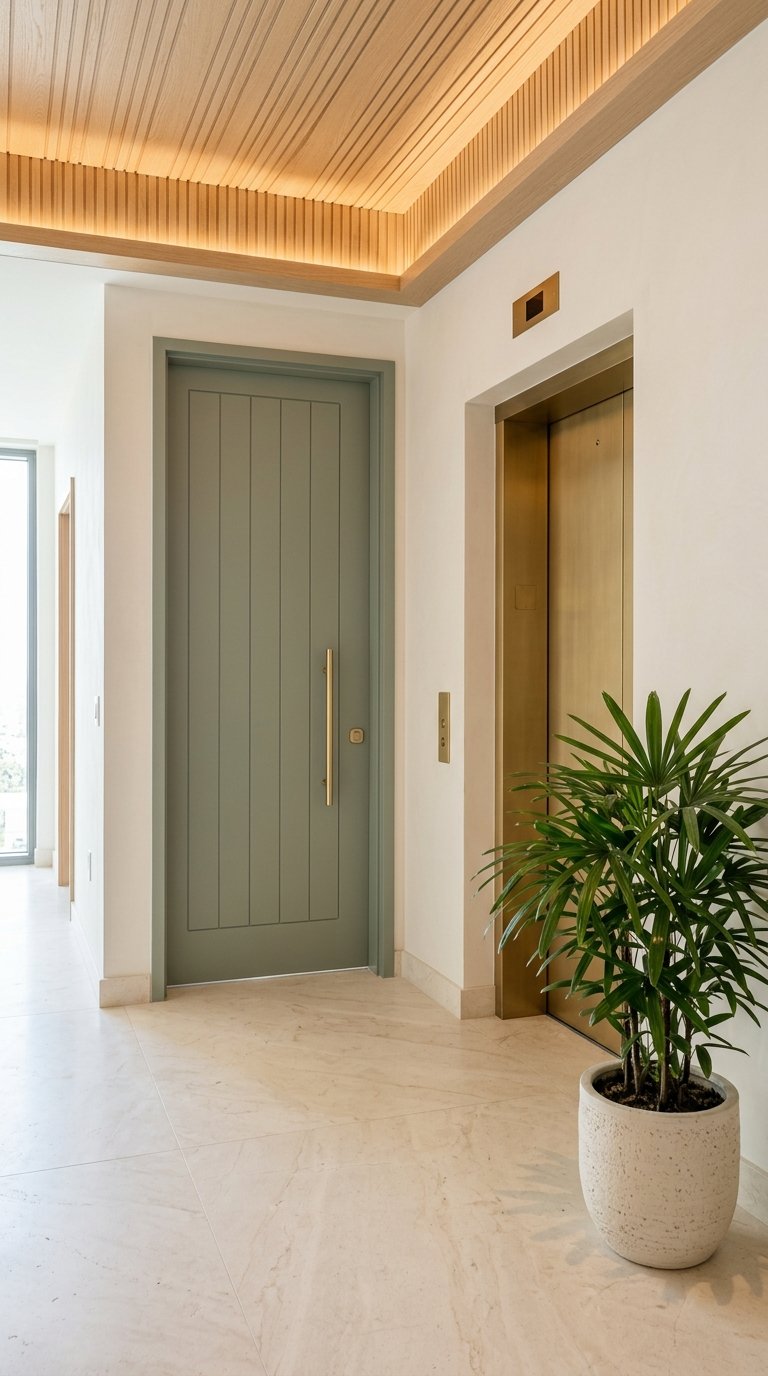
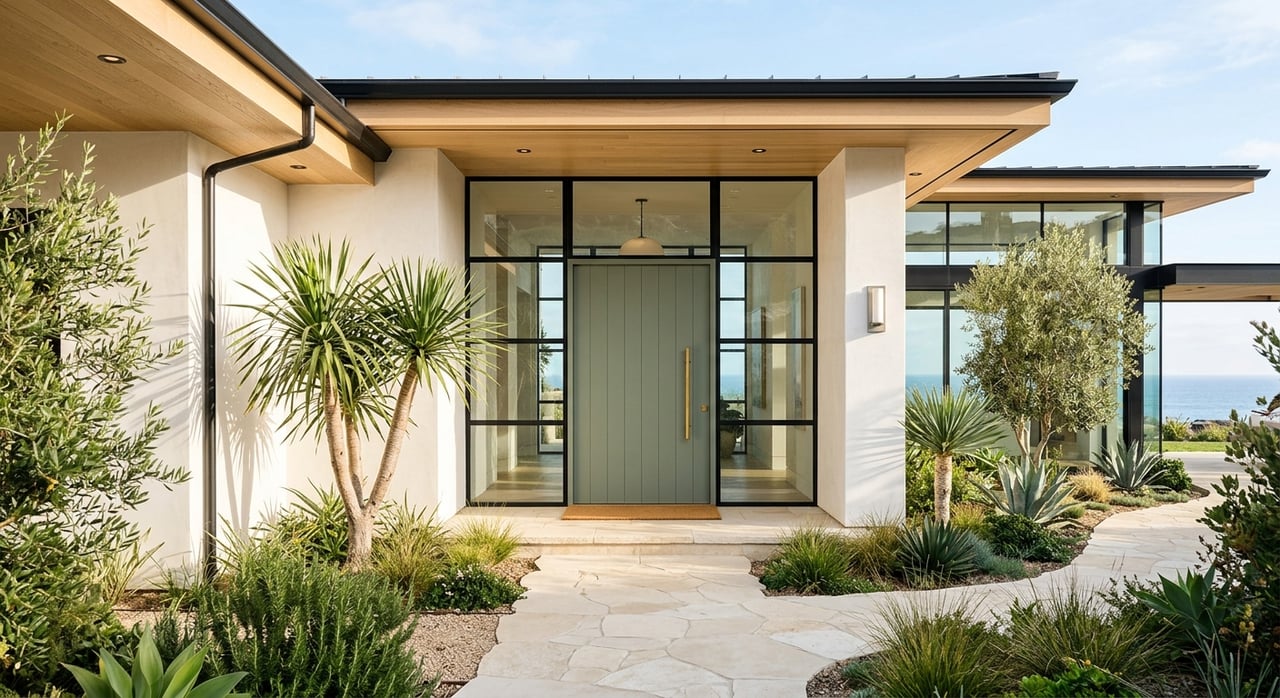
For a Fort Lauderdale trophy home, the most important spaces are usually the entry, main living areas, kitchen, primary suite, and outdoor entertaining areas. These are the zones where buyers tend to make fast judgments about lifestyle, quality, and whether the home feels worth its price point. A restrained, bespoke look usually works better than styling that feels overly themed or generic.
Trophy-home staging priorities
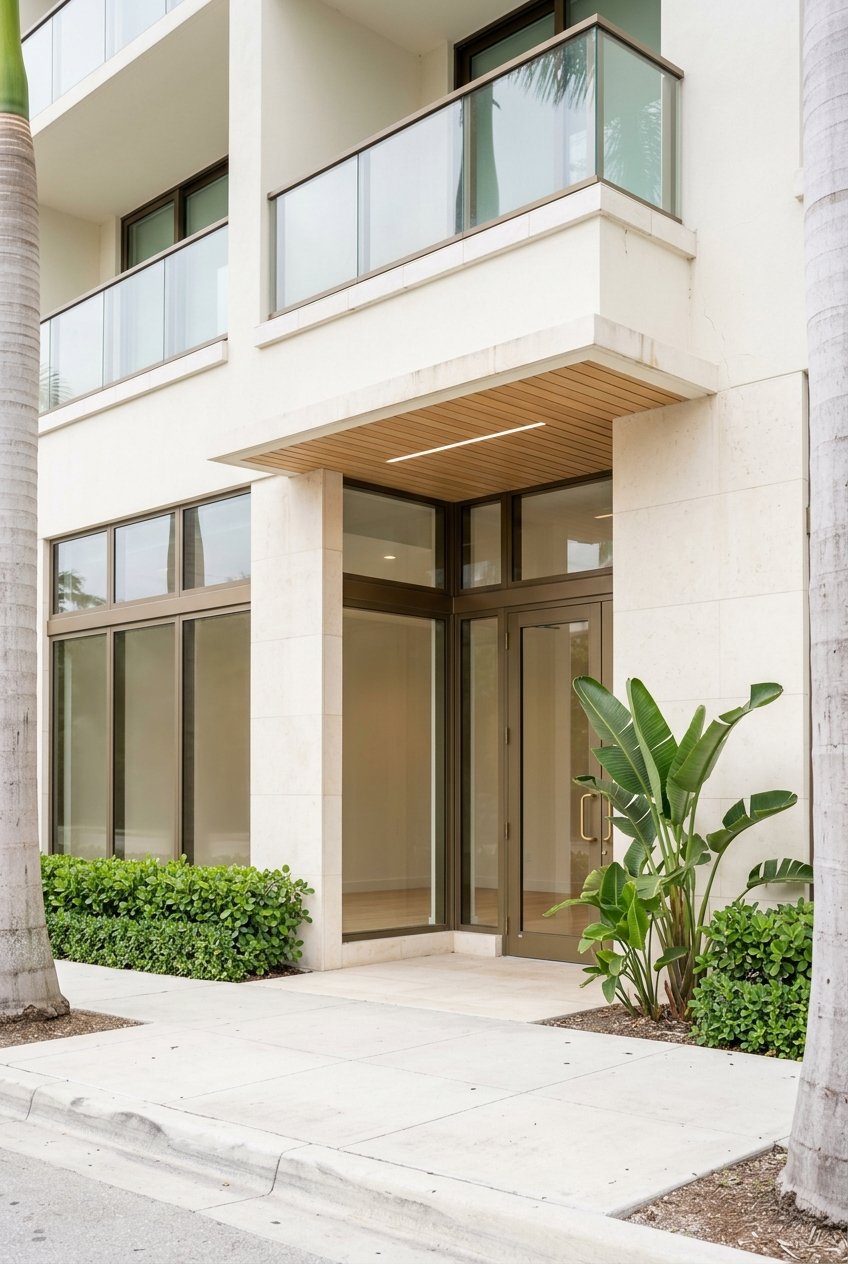
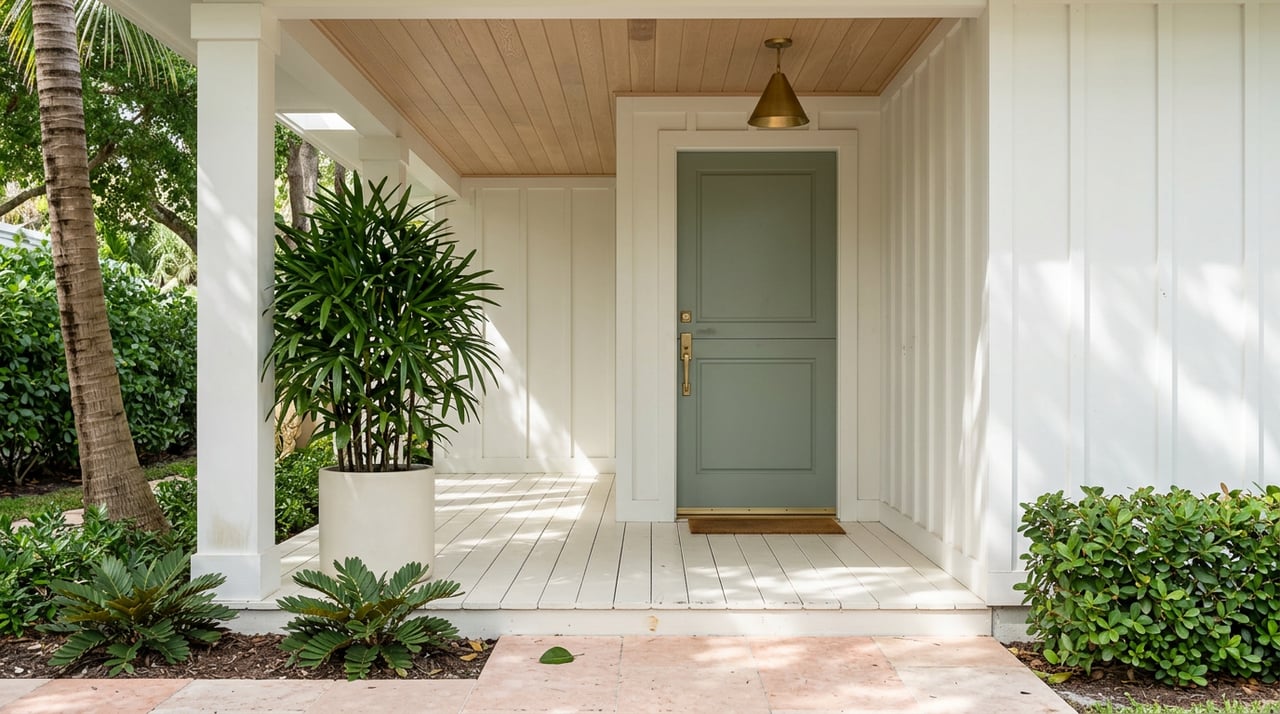
- Entry: Create a clean first impression with strong lighting and a clear focal point.
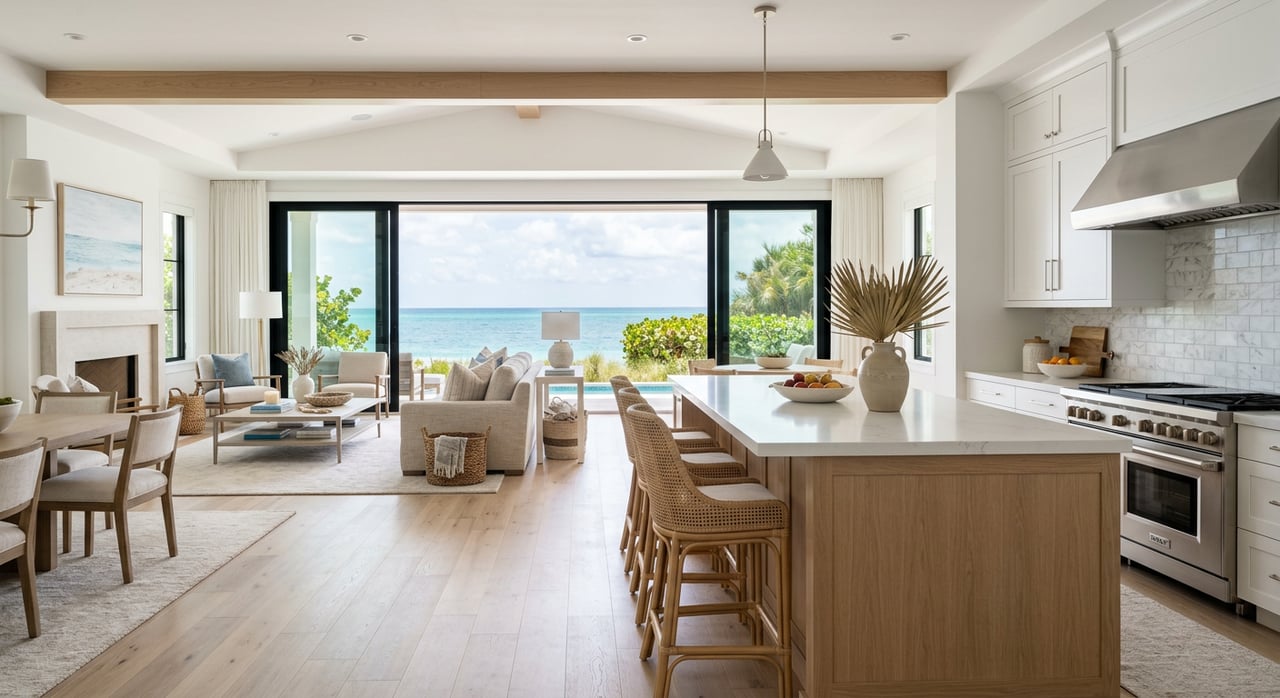
- Living areas: Arrange furniture to improve flow and show scale.
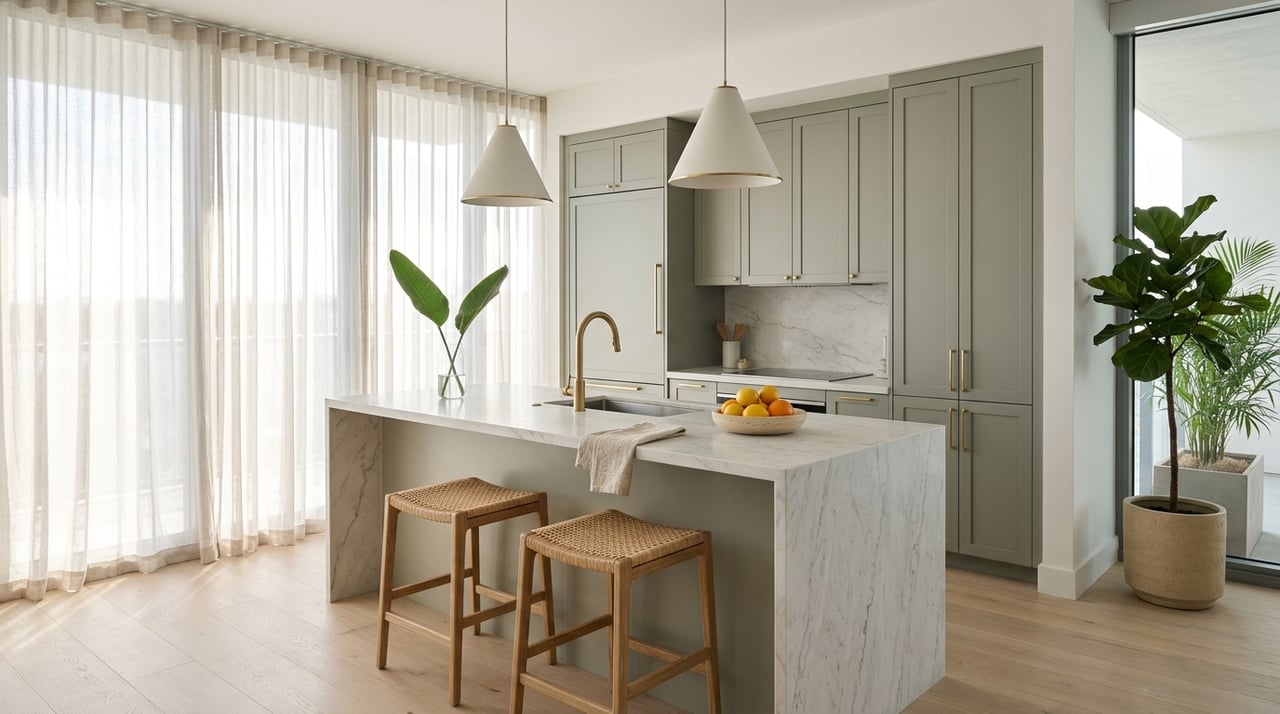
- Kitchen: Keep counters edited and fresh so finishes stand out.
- Primary suite: Emphasize calm, light, and spaciousness.
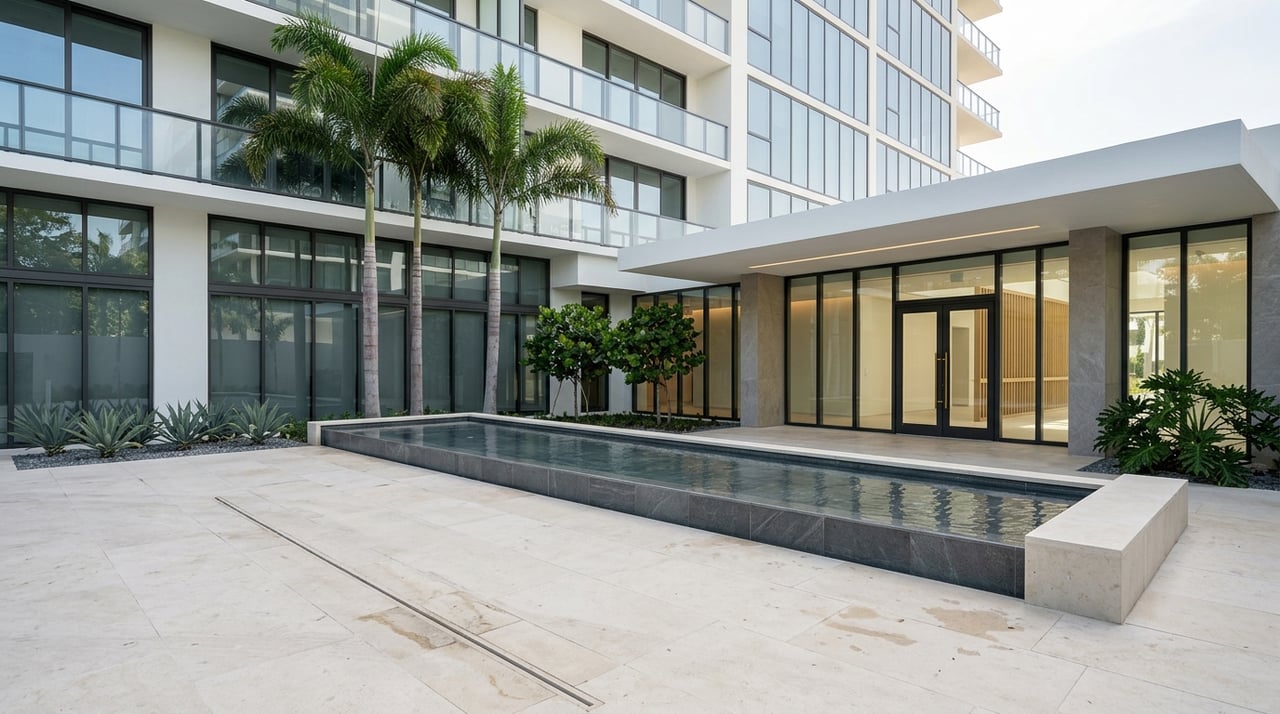
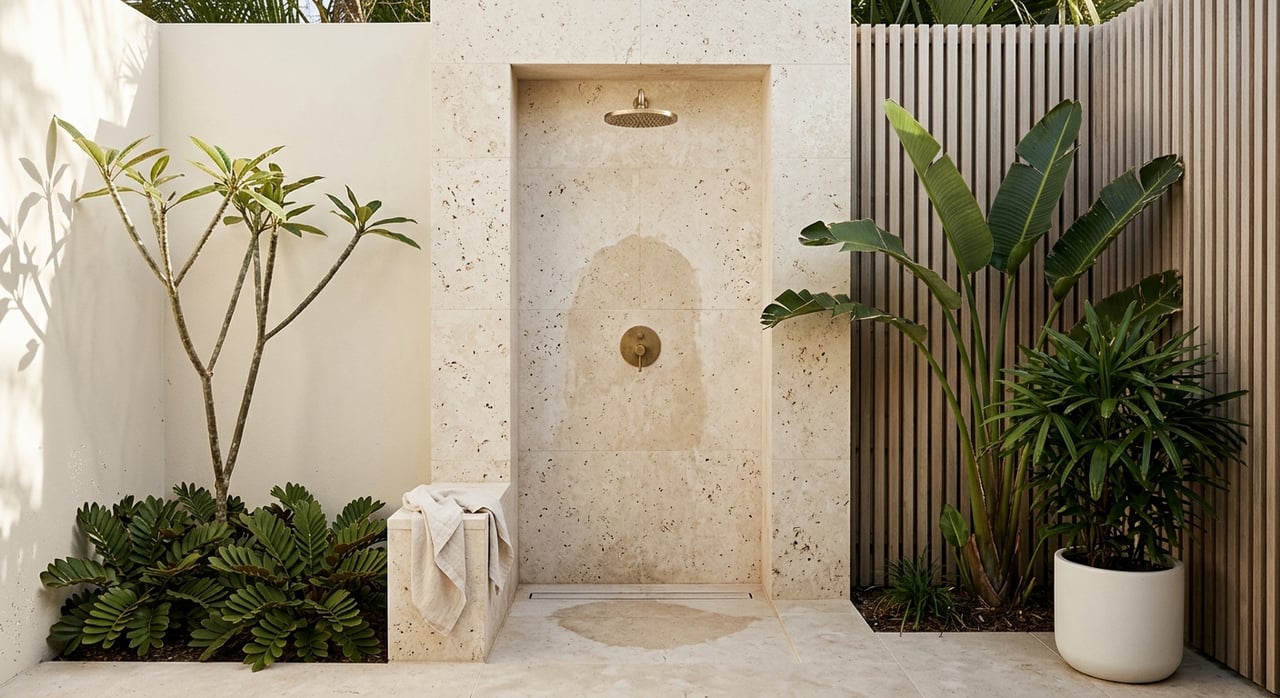
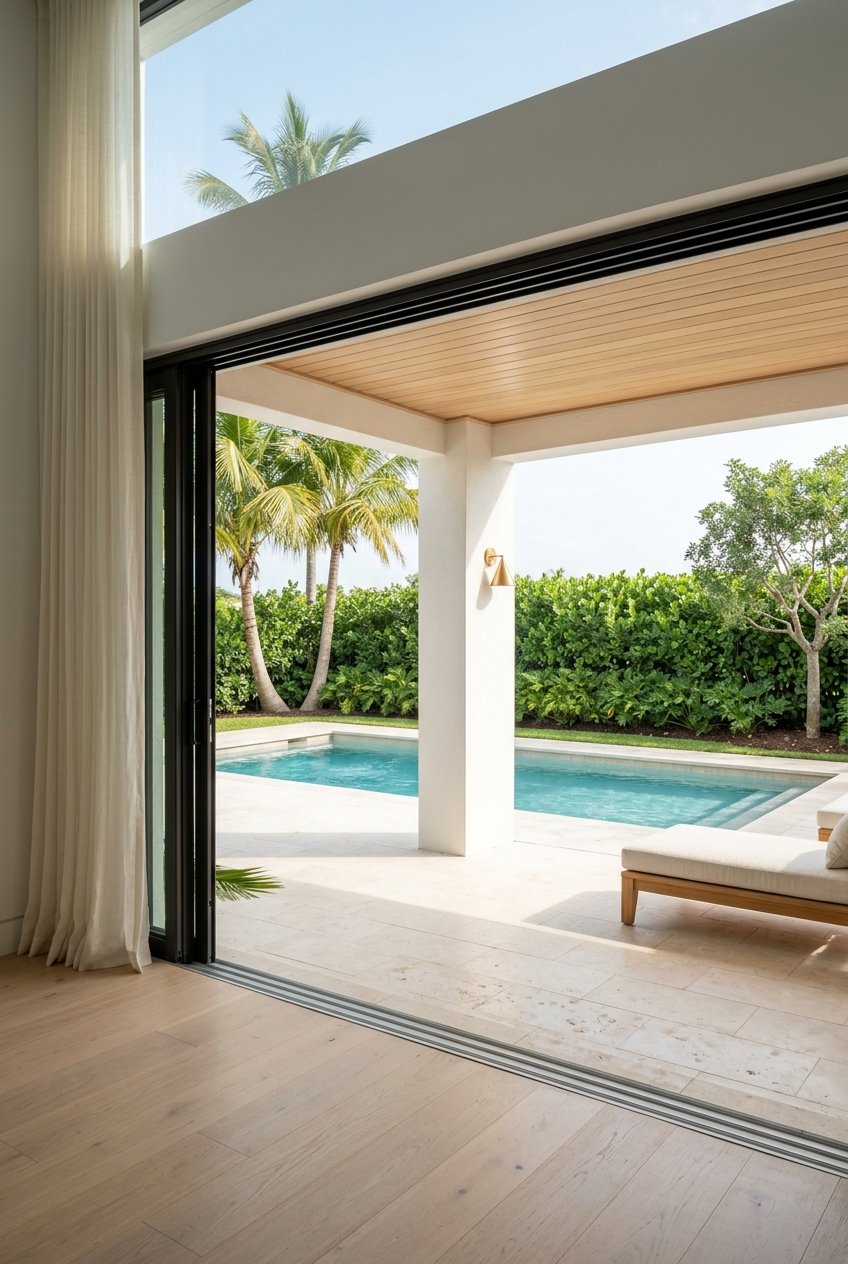
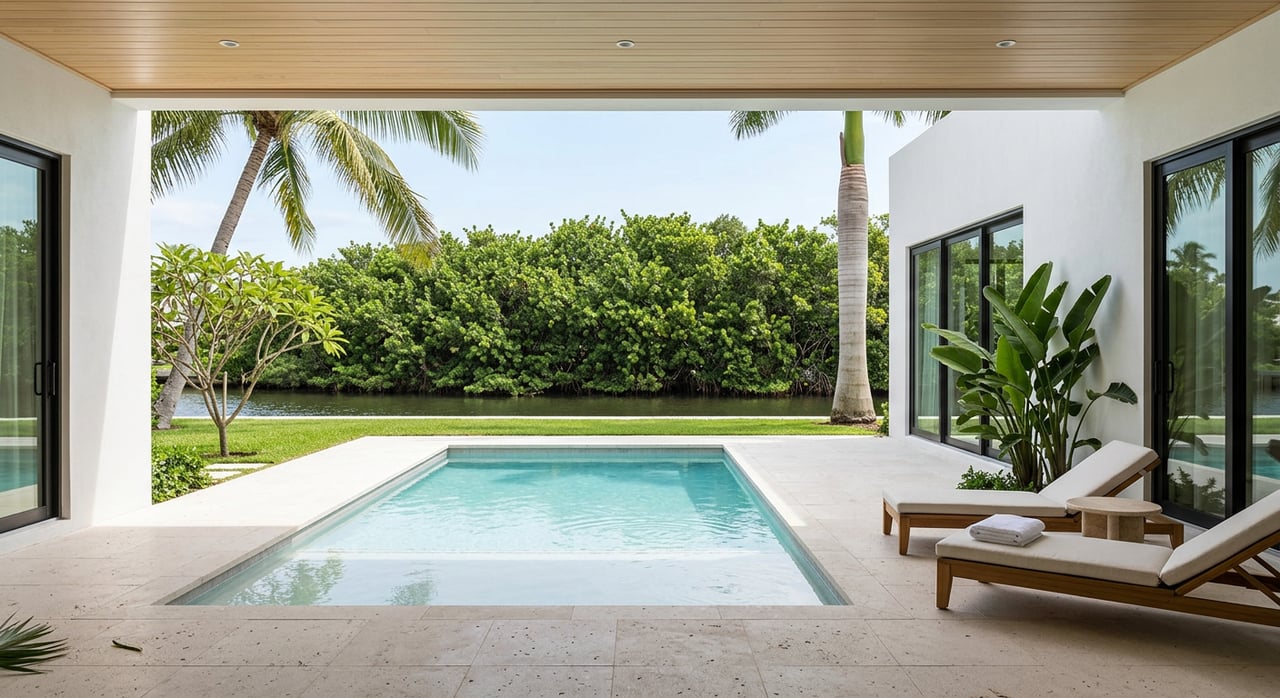
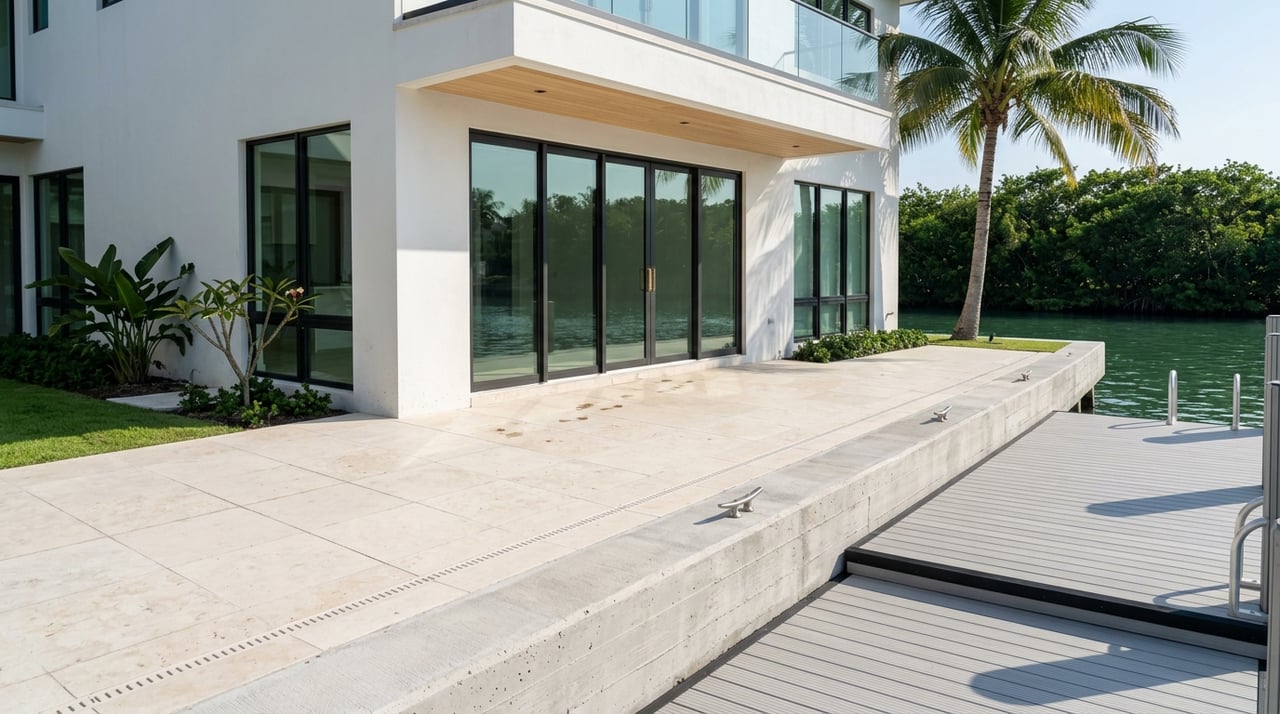
- Outdoor areas: Present seating, dining, and entertaining zones clearly.
Prepare for the camera, not just the showing
Online presentation drives first impressions. NAR notes that the majority of buyers shop online, and that high-resolution photos and video tours are a must. Buyers who love what they see online also expect the property to look the same in person.
That means your photo preparation should be more exacting than your normal day-to-day standard. The camera tends to magnify clutter, dust, smudges, and awkward furniture placement. A home that feels fine in person can still look busy or uneven in listing media if you do not prepare for the lens.
Use a practice photo pass
NAR recommends doing a practice photo walk before the professional shoot. This helps you spot visual distractions that are easy to miss at eye level. Refrigerator magnets, countertop overflow, uneven pillows, visible cords, and overfilled shelves often stand out more in photos than they do in real life.
Keep surfaces edited but not empty. Create focal points in major rooms, open blinds, and make sure furniture placement supports movement through the space. The goal is not to make your home look artificial. It is to make every frame feel clean, bright, and consistent.
Time media after the home is fully ready
One of the biggest mistakes sellers make is booking photography too early. If the home is not fully staged, deeply cleaned, and show-ready, your media may not do the property justice. For a premium listing, it is smart to lock the media schedule only after the house is truly camera-ready.
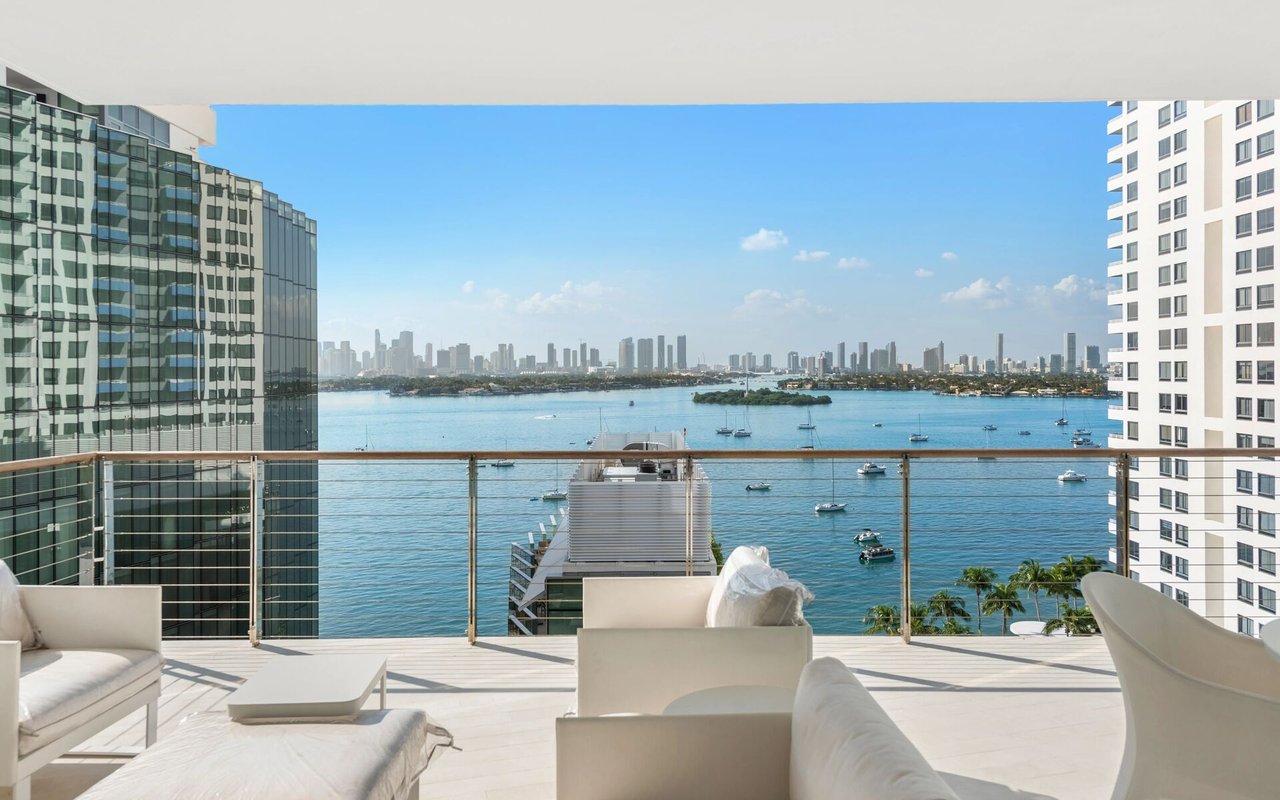
This is especially important for a property with multiple indoor-outdoor moments, water views, large entertaining spaces, or custom details. Once your media is live, it helps set buyer expectations for the entire experience. A polished launch supports stronger positioning from the start.
Vet aerial and drone vendors carefully
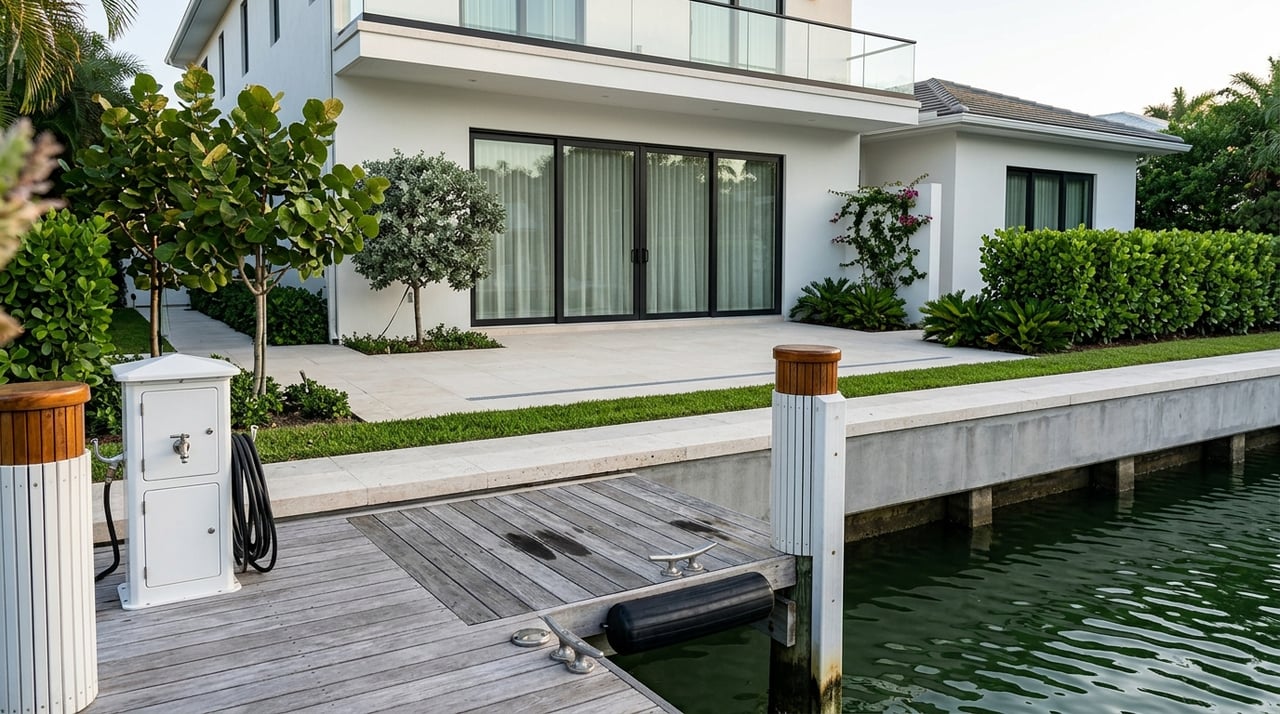
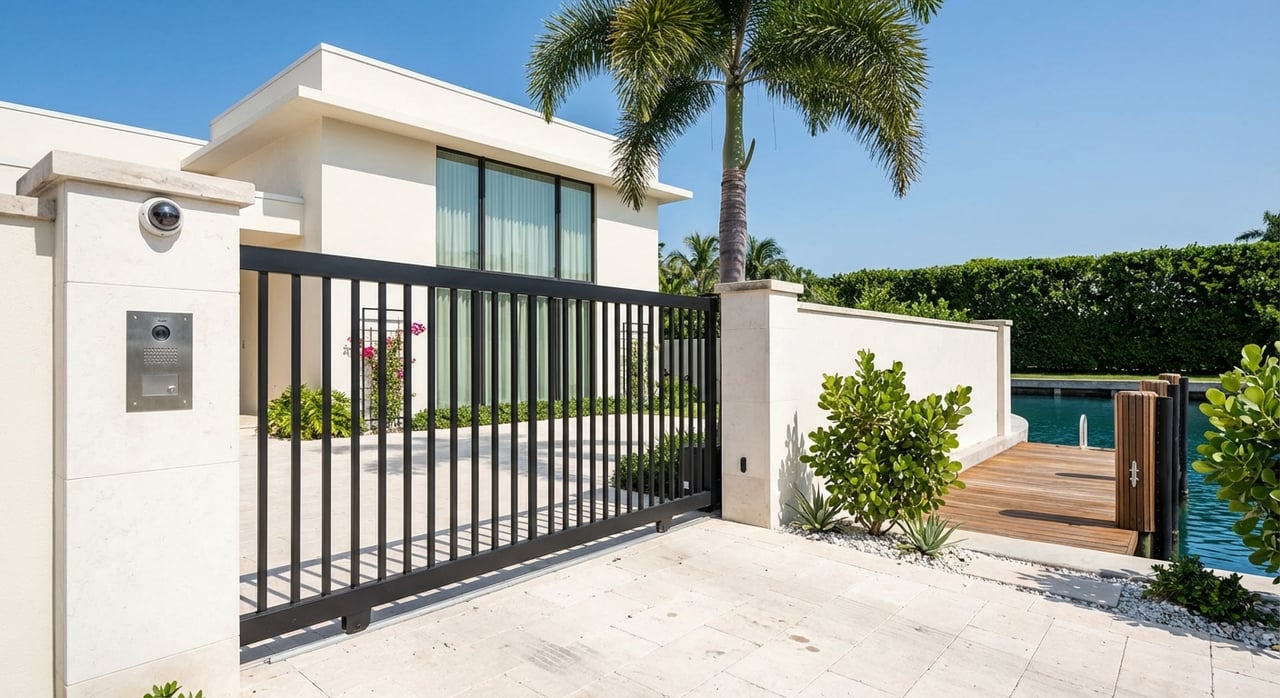
Aerial imagery can be useful for showcasing lot position, waterfront context, outdoor living areas, and the relationship between the home and its surroundings. If drone media is part of your marketing plan, the operator should comply with FAA Part 107 rules. Commercial drone work requires a remote pilot certificate, drone registration, and compliance with operating requirements such as daylight or twilight limits and keeping the aircraft within sight.
FAA Remote ID rules also apply to drones that are required to be registered or are registered, including those used for business. For you, the practical takeaway is simple: make sure any aerial vendor is properly qualified and compliant before the shoot is scheduled. That protects both the marketing process and your property.
Plan around seasonal occupancy and storm timing
If your Fort Lauderdale home is a seasonal residence, timing deserves extra care. The Atlantic hurricane season runs from June 1 through November 30, with activity most concentrated from August through October. The City of Fort Lauderdale advises residents to prepare in advance, register for alerts, assemble a disaster kit, and keep important documents in a waterproof container.
If your listing period overlaps storm season, it is wise to complete staging, photography, and exterior cleanup before travel when possible. It also helps to leave a local point person who can keep the property photo-ready and storm-ready while the home is on the market. That can be especially valuable when weather shifts quickly or last-minute showing adjustments are needed.
Build a polished pre-market checklist
Trophy-home preparation works best when it is handled as a sequence, not a scramble. A clean launch usually comes from thoughtful coordination across documentation, presentation, media, and timing. When each part is addressed in order, your home enters the market with less friction and more clarity.
Here is a simple framework to follow:
Pre-market checklist for your Fort Lauderdale trophy home
- Organize disclosures, permits, invoices, and service records.
- Remove personal items and declutter room by room.
- Edit furniture and styling to improve flow and focal points.
- Deep clean the home with photography in mind.
- Prepare priority spaces, especially the kitchen, living areas, primary suite, and outdoor entertaining areas.
- Complete a practice photo pass to catch visual distractions.
- Confirm the home is fully ready before photo and video day.
- Verify FAA-compliant drone vendors if aerial media is planned.
- Plan for storm-season readiness and local oversight if the home is seasonally occupied.
The goal is confidence, not just activity
In Fort Lauderdale’s upper tier, a trophy home can still attract strong interest, but buyers are selective and quick to compare value. A refined pre-market process helps your property look intentional, well-managed, and worth serious attention. That often leads to better first impressions, stronger buyer confidence, and a more controlled selling experience.
If you are preparing to sell and want a discreet, concierge-level plan for positioning your home, Ginger Coutain can help you build a polished launch strategy tailored to your property, timeline, and priorities.
FAQs
What should you do first when preparing a Fort Lauderdale trophy home for market?
- Start by organizing disclosures, repair records, permits, warranties, and service documentation so your listing is presentation-ready and disclosure-ready.
Why does staging matter for a Fort Lauderdale luxury home sale?
- Staging helps buyers visualize the home more easily, and NAR reported that many agents saw staging reduce time on market and sometimes improve the dollar value offered.
Which rooms matter most when staging a Fort Lauderdale trophy home?
- Focus first on the entry, main living areas, kitchen, primary suite, and outdoor entertaining spaces because those areas often shape buyers’ strongest first impressions.
When should you schedule photography for a Fort Lauderdale listing?
- Schedule photography only after the home is fully staged, cleaned, decluttered, and camera-ready so the online presentation matches the property’s best possible showing condition.
What should seasonal owners know about listing a Fort Lauderdale home during hurricane season?
- If your listing overlaps June 1 through November 30, try to complete media and exterior preparation before travel and leave a local point person to help keep the property ready and storm-prepared.
What should you check before hiring a drone vendor for a Fort Lauderdale property listing?
- Confirm the vendor follows FAA commercial drone rules, including Part 107 requirements, drone registration, and applicable Remote ID compliance.