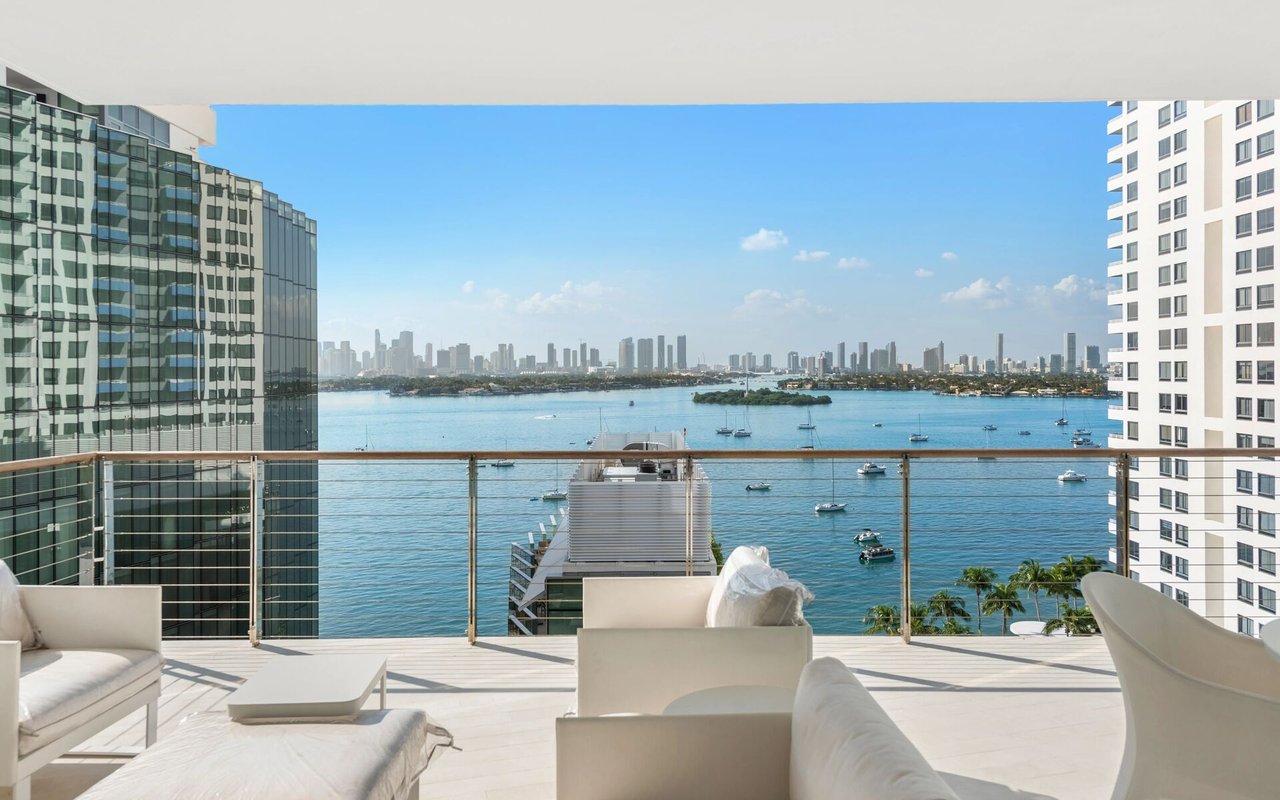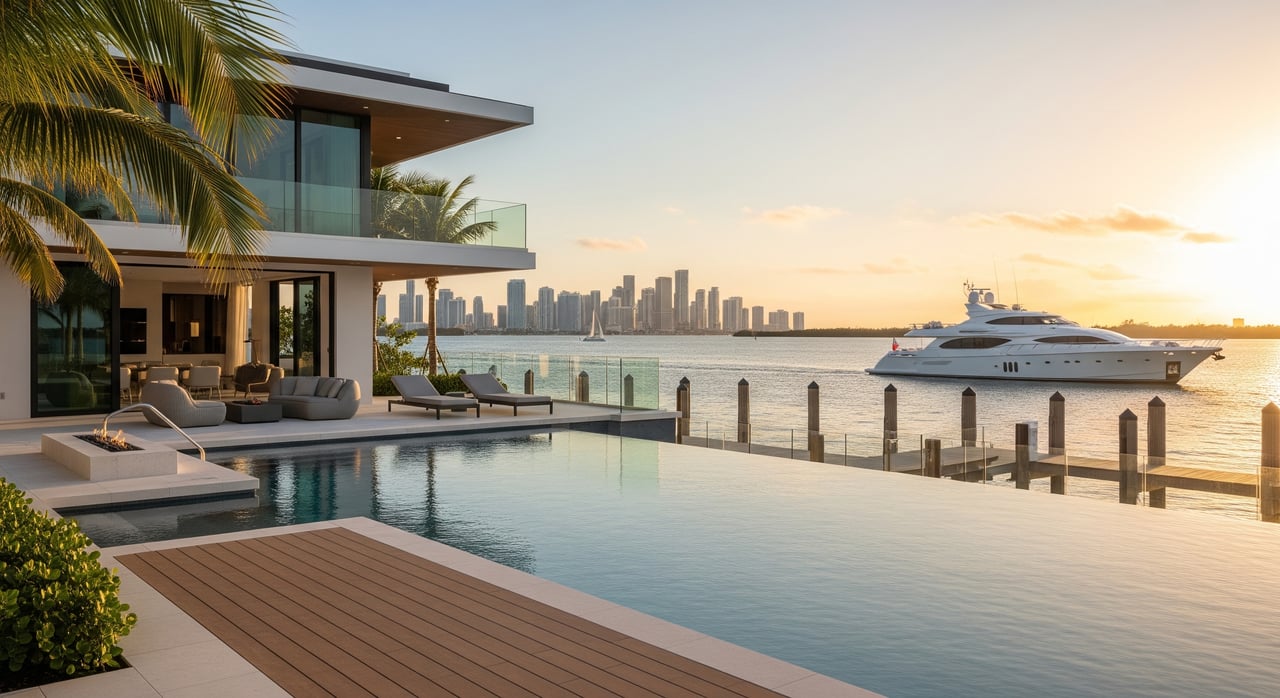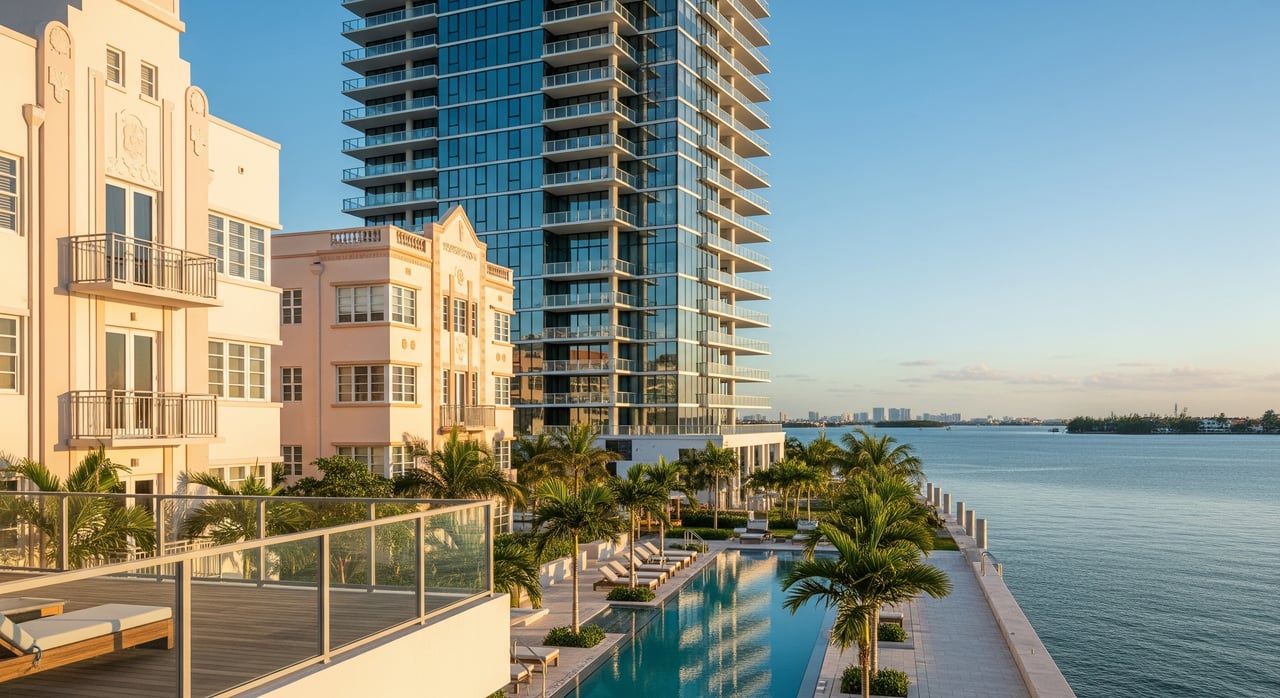
What if one property could serve your lifestyle today, support your travel patterns tomorrow, and still hold a strategic place in your broader real estate mix? For many global buyers, that is the appeal of a Miami condo. If you are weighing a South Florida purchase through both a personal and portfolio lens, this guide will help you understand where Miami fits, what the numbers suggest, and which building-level details matter most. Let’s dive in.
Why Miami Stands Out Globally
Miami is not just a domestic second-home market. It is one of the most internationally recognized condo markets in the United States, and that matters when you are thinking about liquidity, demand, and long-term relevance.
Florida also adds a tax advantage that many buyers notice right away. The state has no personal income tax, which can make ownership here more attractive as part of a broader wealth and lifestyle strategy.
International demand remains a defining part of the story. In the latest international transactions report, Florida accounted for 21% of foreign-buyer purchases, and MIAMI REALTORS® reported that Miami is the number one U.S. market for foreign home buyers.
Three Ways to Position a Miami Condo
A Miami condo often makes the most sense when you view it through more than one use case. Rather than seeing it only as a residence, you can evaluate it as a lifestyle asset, a seasonal or rental-use asset, and a geographic diversification play.
That does not mean every condo will perform the same way. It means Miami offers a market structure where those three roles are possible, depending on the building, location, and rules attached to the property.
Lifestyle Asset
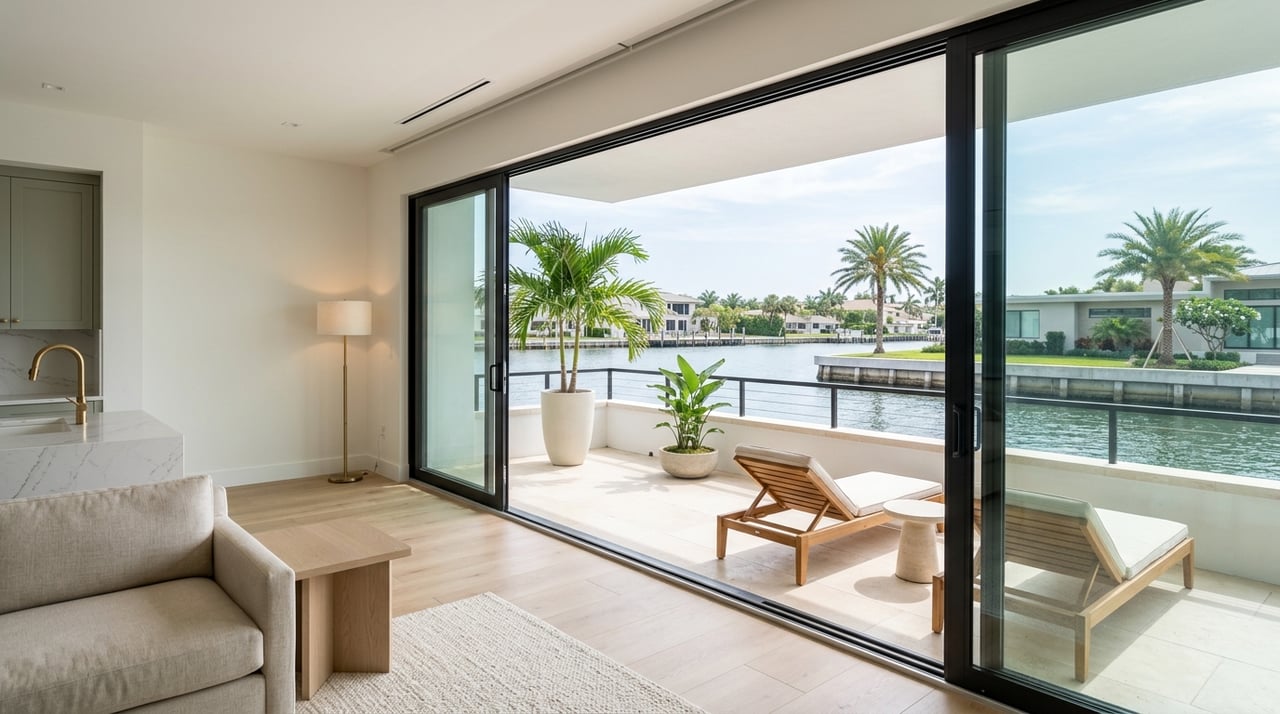
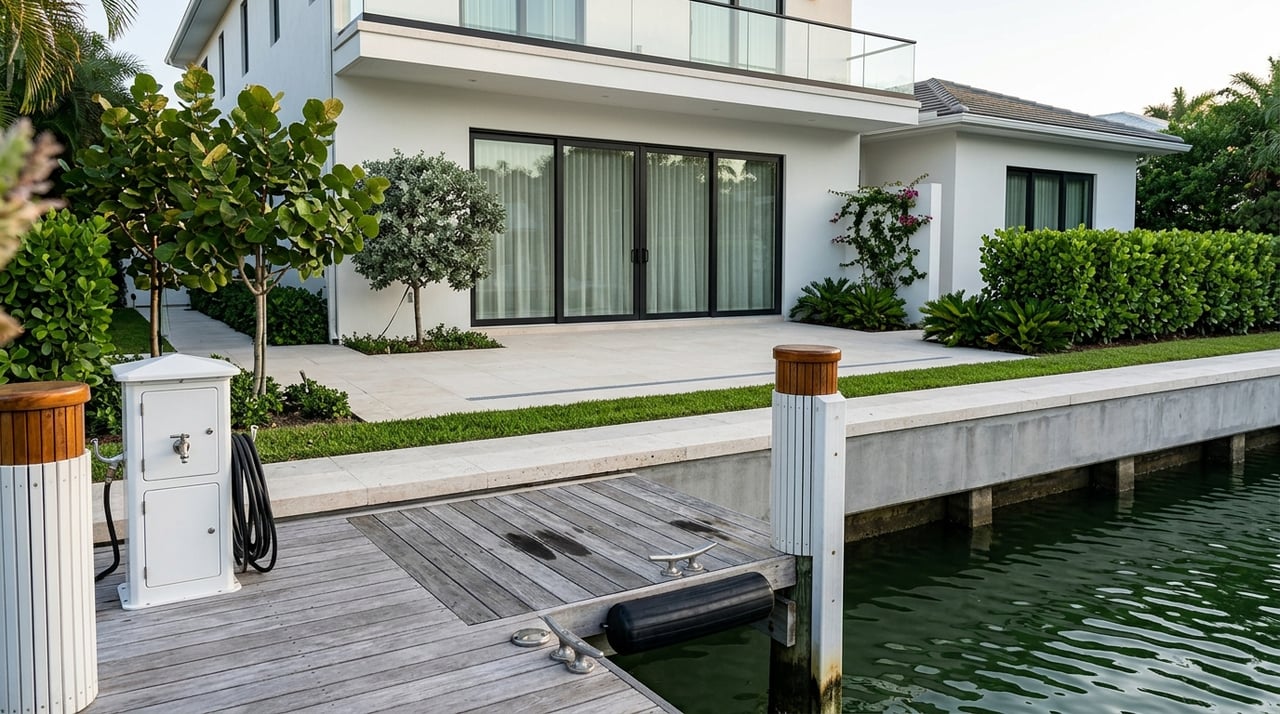
For many buyers, the first reason to own in Miami is simple: you want a place that supports the way you live. Easy access to the waterfront, international travel, dining, arts, and seasonal use all contribute to Miami’s appeal as a personal base.
That lifestyle case is supported by current demand. MIAMI REALTORS® reported Miami Beach as the number two largest vacation-home market in the U.S., with $3.4 billion in 2025 sales volume, while South Florida vacation-home condo and townhome median prices rose 7%.
Seasonal or Rental-Use Asset
Some owners use a Miami condo only part of the year. Others want the option to lease it when they are away, whether that means seasonal occupancy or longer stays, subject to the property’s rules.
This use case is especially relevant for international buyers. According to the 2025 international report, 60% of foreign buyers purchased property to use as a vacation home, rental, or both. Among foreign buyers living abroad, 18% purchased condos.
Geographic Diversification
A Miami condo can also be considered part of a broader real estate allocation across markets and countries. That diversification angle should be viewed as a strategic possibility, not a guarantee, but it is one reason globally active buyers continue to focus on South Florida.
The logic is straightforward. Miami combines strong international visibility, a cash-heavy buyer pool, and sustained condo demand from overseas purchasers. Those factors can make the market easier for global buyers to understand and compare with other gateway cities.
Miami Means Different Things by Submarket
One of the biggest mistakes buyers make is treating all Miami condos as if they occupy the same market tier. In reality, pricing, building profile, and buyer pool can vary sharply from one submarket to the next.
In MIAMI REALTORS®’ 2026 first-quarter luxury report, the condo luxury threshold in Miami was $2.6 million, while Miami Beach reached $5.5 million. Ultra-luxury thresholds were even more distinct at $6.5 million in Miami and $14.0 million in Miami Beach.
That gap matters for your portfolio planning. A condo in Miami Beach may play a different role than one in another part of Miami-Dade, not only because of price, but because of buyer expectations, building age, rental policies, and resale audience.
Current Market Context in Miami-Dade
Even if you are shopping at the high end, it helps to understand the wider market baseline. In April 2026, Miami-Dade recorded 1,033 condo and townhouse closed sales, with a median sale price of $450,000 and an average sale price of $899,192.
The same report showed 11,899 active listings, 12.9 months of inventory, and a median time to sale of 99 days. For luxury buyers, these numbers do not define your segment directly, but they do provide context on supply, pace, and negotiating conditions.
A well-positioned luxury condo sits far above the county median, yet it still operates within this broader market ecosystem. That is why pricing discipline, building quality, and marketability matter so much when you buy.
Why International Demand Matters
Cross-border demand is not a side note in Miami. It is one of the market’s core traits, and it has real implications for how a condo can fit into a global portfolio.
Florida’s main foreign buyers came from Latin America and Canada, each representing 31% in the latest report. NAR also found that 47% of foreign-buyer transactions were all-cash, which points to a buyer base that often moves with speed and conviction.
Newer condo product is especially relevant here. MIAMI REALTORS® reported that international buyers purchased 49% of new South Florida construction, pre-construction, and condo-conversion sales over the 18-month period ending in July 2025.
For you, this can support the case for Miami as a globally legible market. If a property type is already familiar and attractive to international buyers, that can shape future resale interest and overall market depth.
Rental Strategy Depends on Rules
If income potential is part of your plan, the first question is not the view, the floor plan, or even the amenity deck. The first question is whether the building and local rules allow the lease strategy you actually want.
That point is especially important in Miami and Miami Beach, where rental regulations can be strict and highly specific. A beautiful condo with strong seasonal appeal may still be a poor fit for your goals if the association or municipality limits the rental term.
Miami Beach Rental Limits
In Miami Beach, vacation and short-term rentals of less than six months and one day are prohibited in all single-family homes and in many multifamily buildings in certain zoning districts. Where rentals are allowed, the city requires business-tax and resort-tax registration and asks owners to confirm association authorization.
In practical terms, that means you should never assume a condo can be used for short stays simply because it is in a high-demand location. Permission depends on the building, the zoning context, and the city’s rules.
Unincorporated Miami-Dade Rules
In unincorporated Miami-Dade, a short-term vacation rental is defined as any rental to a transient occupant for less than 30 days or one calendar month, whichever is less. That definition creates a different compliance framework than the one you may see in Miami Beach.
For a global buyer, this is where local guidance becomes essential. Two condos that appear similar on paper may offer very different income options once municipal rules and condo documents are reviewed.
Due Diligence Carries Extra Weight
In Miami’s condo market, building-level diligence can matter just as much as location and finish level. Post-Surfside, Florida’s regulatory framework has made structural condition, reserve funding, and repair planning central parts of the purchase decision.
If a building is three habitable stories or more, state law requires milestone inspections by the end of the year the building turns 30, and every 10 years after that. Buildings that reached 30 years between July 1, 2022 and December 31, 2024 were required to complete the initial milestone inspection by December 31, 2025.
Associations that were owner-controlled on or before July 1, 2022 also had to complete a structural integrity reserve study for three-story-and-higher buildings by December 31, 2025. These rules directly affect how you evaluate future carrying costs and special assessment risk.
What the 2025 Florida Law Changed
Florida’s 2025 condo law, CS/CS/HB 913, adjusted several parts of this framework. It extended the structural integrity reserve study deadline to December 31, 2025, increased the reserve-item threshold from $10,000 to $25,000 with annual inflation adjustments, and allowed some unit-owner-controlled associations to temporarily pause or reduce reserve contributions to fund milestone-recommended repairs.
For buyers, the key takeaway is simple. Reserve funding and repair planning may not look the same from one building to another, even when the residences themselves feel comparable.
Why Documents Matter Before Closing
When applicable, Florida condo contract rules require the seller to provide the current milestone-inspection summary, turnover inspection report, and most recent structural integrity reserve study more than 15 days before contract execution. That timing gives you a critical window to review the building’s condition and financial posture.
This is where experienced representation matters most. You want to review association budgets, reserve funding, insurance, and any signs of future special assessment exposure before you close, not after.
A Practical Framework for Buyers
If you are considering a Miami condo as part of your global portfolio, focus on the details that shape real ownership outcomes. The goal is not just to find a beautiful unit. The goal is to identify a property whose rules, costs, and market position fit your intended use.
Here are the questions worth asking early:
- Will you use the condo primarily for personal stays, seasonal occupancy, or longer-term leasing?
- Does the building allow the lease term you want?
- Is the property in Miami, Miami Beach, or unincorporated Miami-Dade, and how do the local rules differ?
- Does the building have a recent milestone inspection and structural integrity reserve study?
- Are reserve contributions or special assessments likely to affect carrying costs?
- Is the submarket aligned with your target price point and resale audience?
A Miami condo can absolutely hold a smart place in a global real estate strategy. The strongest opportunities tend to come from matching the right building to the right purpose, then validating every assumption through careful due diligence.
When that process is handled with precision, you are not simply buying a residence. You are making a more intentional decision about lifestyle, optional income, and long-term portfolio positioning.
If you want a private, data-informed conversation about where a Miami condo may fit within your broader real estate strategy, Ginger Coutain offers founder-led, concierge advisory across South Florida with the discretion and detail this level of purchase deserves.
FAQs
What makes a Miami condo relevant for a global portfolio?
- A Miami condo may serve as a lifestyle property, a seasonal or rental-use asset, and a possible geographic diversification play, supported by Florida’s no personal income tax structure and strong international buyer demand.
What is the current Miami-Dade condo market baseline?
- In April 2026, Miami-Dade had 1,033 closed condo and townhouse sales, a $450,000 median sale price, an $899,192 average sale price, 11,899 active listings, 12.9 months of inventory, and a median time to sale of 99 days.
How important are international buyers in Miami real estate?
- International buyers are a major part of the market, with Florida accounting for 21% of foreign-buyer purchases in the latest report, and Miami ranked by MIAMI REALTORS® as the top U.S. market for foreign home buyers.
Can a Miami Beach condo be rented short-term?
- It depends on the building, zoning district, and city rules, but Miami Beach prohibits vacation and short-term rentals of less than six months and one day in all single-family homes and in many multifamily buildings in certain zoning districts.
How does unincorporated Miami-Dade define a short-term rental?
- In unincorporated Miami-Dade, a short-term vacation rental is any rental to a transient occupant for less than 30 days or one calendar month, whichever is less.
What building documents should Miami condo buyers review?
- Buyers should review the milestone-inspection summary, turnover inspection report when applicable, the most recent structural integrity reserve study, association budgets, reserve funding, insurance, and any signs of special assessment exposure.
Why do milestone inspections and reserve studies matter in Miami condos?
- These reports can affect future costs, repair planning, reserve contributions, and resale marketability, which makes them just as important as the unit’s location, views, and amenities.